Did you know about 75% of people feel anxious about public speaking? Now, think about helping your child join the confident 25%! Public speaking for kids isn't just about talking to an audience; it's a skill that opens doors to new opportunities and personal growth. Here, we’ll talk about why public speaking is so important for kids and how it can shape their future. It boosts self-confidence and builds emotional intelligence. Whether you're a parent, teacher, or just curious about child development, you’ll find practical tips to help nurture this skill. We'll share real-life stories and expert advice too. Let's help the next generation find their voice and succeed in any situation!
Summary: This article discusses the importance of public speaking for kids, highlighting its benefits, practical ways to practice, and its relationship with emotional intelligence, supported by case studies and FAQs.
The Importance of Public Speaking for Kids
Public Speaking as a Vital Life Skill for Kids
Public speaking is a key life skill that significantly influences children's development in thinking, leading, and communication. It aids in organizing their thoughts and articulating ideas clearly, which is crucial for academic success and future career endeavors.
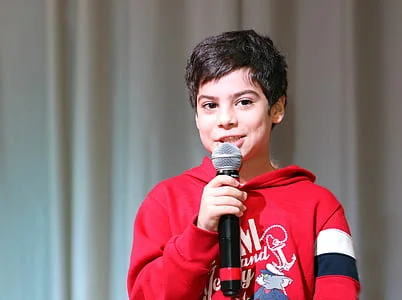
Engaging in public speaking practice prepares children for real-life scenarios such as participating in class discussions or attending job interviews. Additionally, it fosters empathy and understanding as they learn to consider the emotions and reactions of their audience. By acquiring these skills early, children enhance their ability to navigate social and professional environments, laying a solid foundation for lifelong success.
Boosting Confidence in Kids Through Public Speaking
Public speaking boosts confidence and self-esteem by encouraging children to speak in front of an audience without fear. Through consistent practice, they can overcome social anxiety and the fear of speaking out, leading to increased resilience.

This practice also enhances their ability to understand and connect with others by teaching them to interpret and respond to their audience's emotions. Programs like those at the Boys & Girls Clubs of Greater Conejo Valley provide a safe environment for children to develop public speaking skills through engaging activities like musical theater.
As they receive positive feedback and constructive advice, their self-esteem grows, empowering them to tackle new challenges in both academic and personal spheres. Programs such as 98thPercentile further support this growth by involving parents, allowing children to demonstrate their learning and gain valuable insights.
Public speaking transcends the act of delivering speeches; it is about cultivating confidence that benefits children throughout their lives.
Key Benefits of Public Speaking for Kids
Boosting Communication Skills in Kids
Public speaking is a powerful tool for kids to enhance their communication skills. It aids in organizing thoughts and expressing ideas clearly, crucial for academic success and interpersonal relationships. Through public speaking, children learn to:
- Speak clearly
- Utilize body language
- Connect with their audience
These skills extend beyond speeches, enhancing everyday interactions with friends, teachers, and family.
Moreover, public speaking builds confidence, enabling children to participate actively in class and improve academically. Kids who practice public speaking are more likely to:
- Ask questions
- Present projects effectively
- Engage in class discussions
This experience deepens their understanding of language, boosting overall communication abilities.
Public speaking also highlights the significance of non-verbal cues, such as eye contact, gestures, and vocal variety, to maintain audience engagement.
Fostering Critical Thinking and Creativity
Public speaking challenges kids to organize thoughts and explore innovative ways to convey ideas, enhancing critical thinking skills. This process encourages them to:
- Analyze information
- Consider diverse perspectives
- Construct well-founded arguments
Feedback during public speaking activities provides fresh insights, sparking deeper thinking and creative problem-solving.
Creativity flourishes as kids discover unique methods to present ideas, whether through storytelling, visuals, or humor. Public speaking offers a platform for creativity. When children improvise during speeches, they develop spontaneity and inventiveness, valuable traits for both academic and personal growth. Adapting a speech based on audience reaction demonstrates their creative thinking and problem-solving abilities.
Cultivating Leadership Skills in Children
Public speaking is instrumental in nurturing leadership skills in children. Confident speakers often emerge as leaders, more inclined to take initiative in school projects, student councils, and team settings. As they grow comfortable addressing groups, they are more likely to assume leadership roles. Public speaking refines:
- Decision-making
- Planning
- Perseverance
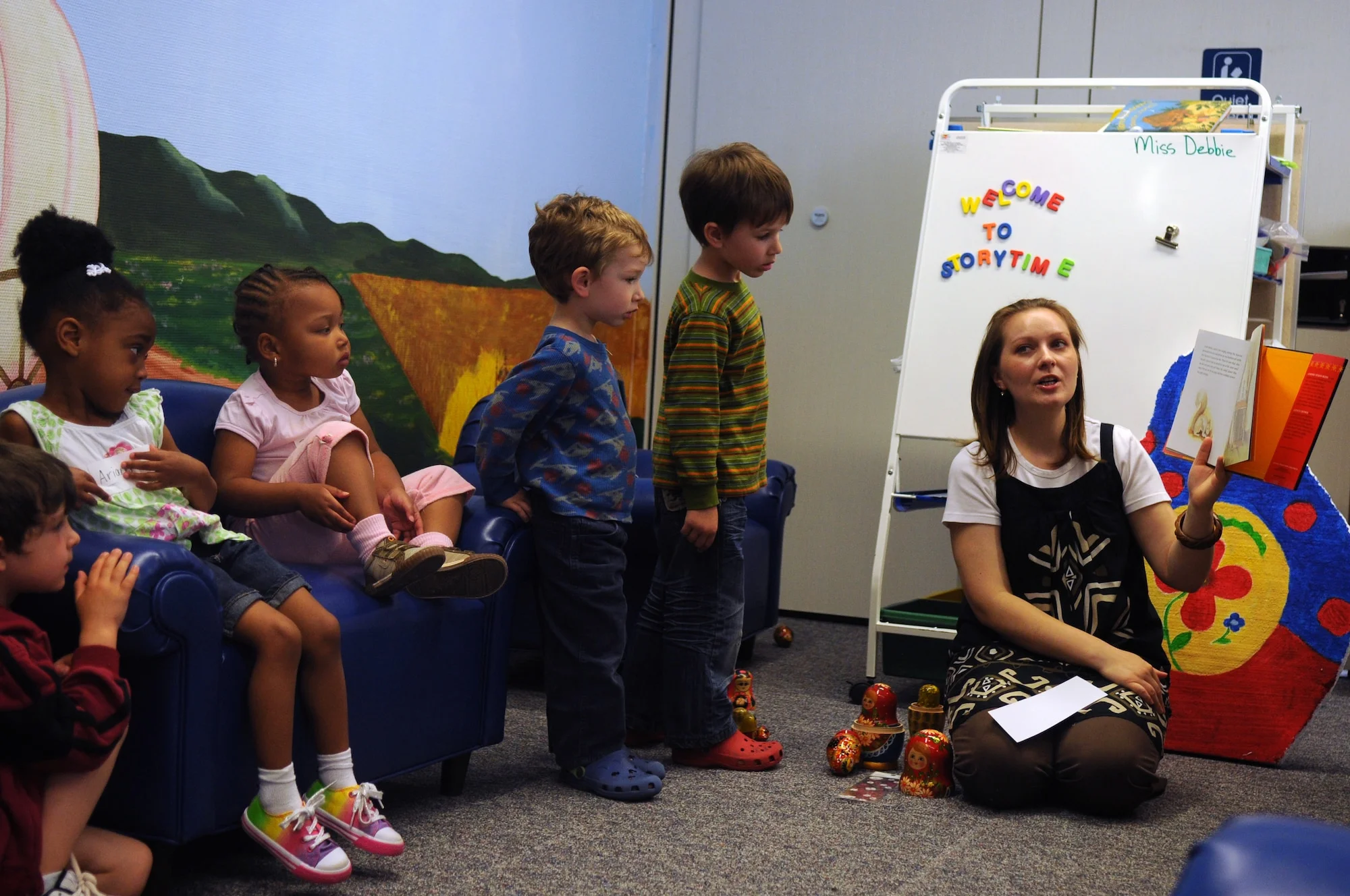
These are essential components of effective leadership. By learning to articulate their vision and ideas clearly, children cultivate the ability to inspire and lead others. Skills such as expressing opinions, resolving conflicts, and guiding peers are strengthened through public speaking practice. A student leading a group presentation with confidence exemplifies leadership skills fostered through public speaking.
Reducing Social Anxiety through Public Speaking
For many kids, speaking in front of an audience can be daunting. However, beginning public speaking at a young age helps them conquer shyness and fear, alleviating social anxiety. Classes provide strategies to manage nerves and engage audiences, building comfort and confidence in social environments. Regular practice and positive feedback enable children to overcome stage fright and social fears.
With increased speaking opportunities, children learn to control their anxiety and gain self-assurance. A child initially apprehensive about speaking in front of classmates can become more confident through structured exercises and coaching. These experiences transform anxious children into confident speakers, comfortable in various settings.
In conclusion, public speaking offers numerous benefits for children, including enhanced communication skills, critical thinking, creativity, leadership, and reduced social anxiety. Encouraging kids to engage in public speaking equips them with vital skills that will benefit them throughout their lives.
Practical Ways to Practice Public Speaking for Kids
Home Activities for Public Speaking
Practicing public speaking at home can be both fun and beneficial for kids. Here are some activities you can try:
- Rehearse Speeches or Presentations: Encourage children to present in front of family members. This helps them build confidence and receive constructive feedback. Consider recording these sessions so they can identify areas for improvement, such as pronunciation, fluency, and body language.
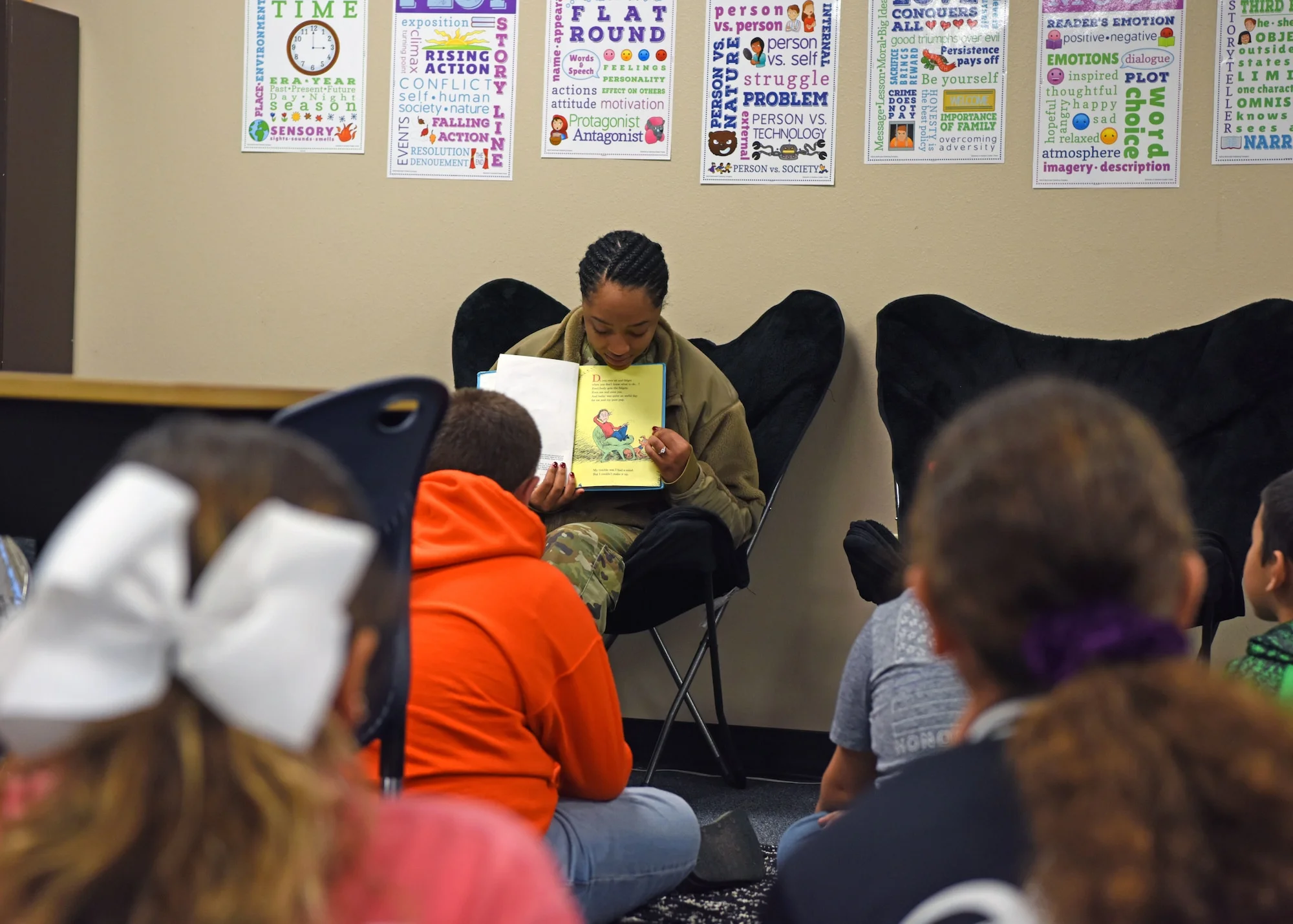
- Storytelling Exercises: These exercises are excellent for enhancing narrative skills and maintaining listener interest. Kids can use drawings or simple props to make their presentations more engaging.
Parents play a crucial role by encouraging kids to:
- Speak clearly and slowly.
- Focus on pronunciation.
- Vary their tone to keep the audience engaged.
Benefits of Public Speaking Programs for Kids
Signing kids up for public speaking programs provides a structured environment to practice and enhance their skills. These programs usually cover:
- Audience Understanding: Teaching kids to tailor content to their audience.
- Delivery Skills: Improving body language and vocal variety.
- Storytelling: Engaging listeners and making speeches memorable.
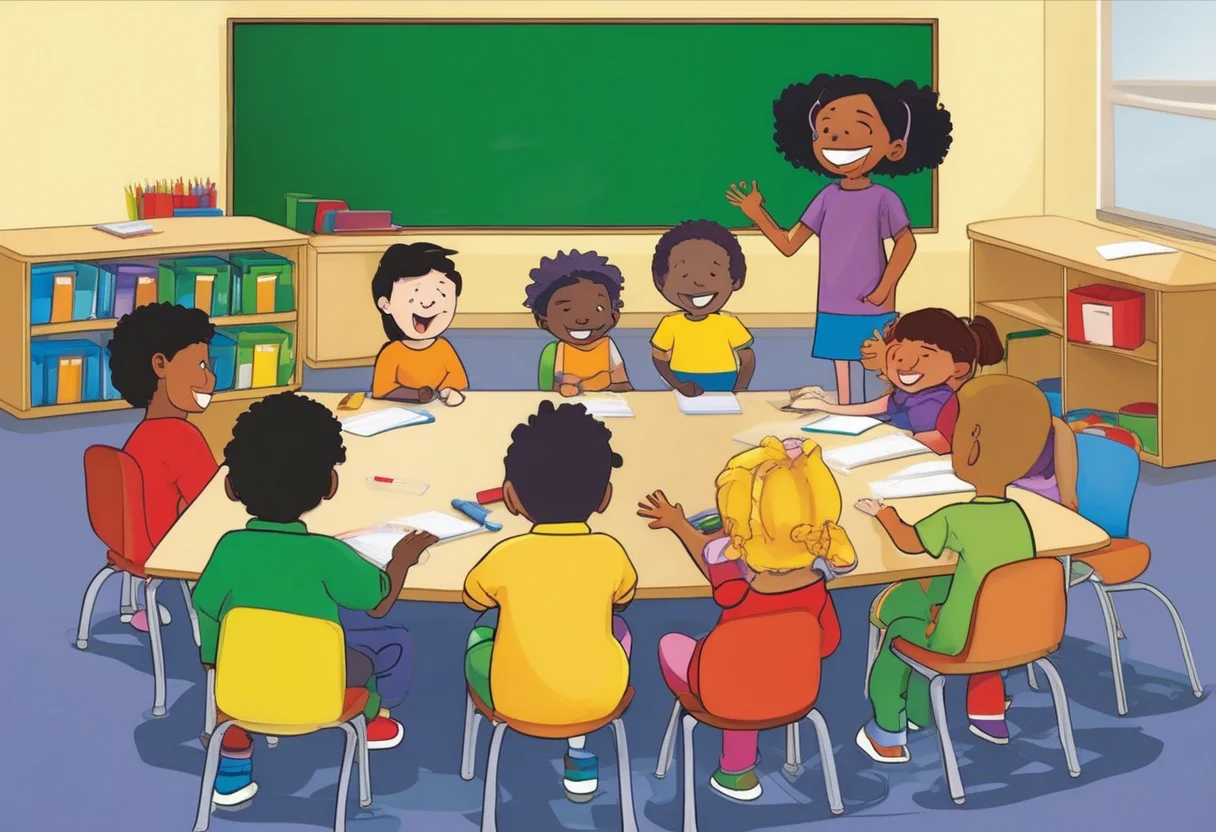
Programs often encourage using outlines or note cards instead of scripts to help kids speak naturally and maintain eye contact. They may also include activities to reduce nervousness, such as light exercises before speaking.
Consider joining programs like Toastmasters Youth Leadership or school speech clubs for structured practice, coaching, and feedback. Online platforms such as Coursera and Udemy offer courses tailored for young learners, covering essential skills like writing speeches, delivery techniques, and audience engagement.
Public Speaking and Emotional Intelligence
Boosting Self-Awareness and Empathy in Kids
Public speaking is a powerful tool for children to enhance their self-awareness and empathy. Engaging in public speaking encourages kids to:
- Consider their audience and step into their shoes.
- Observe body language and adjust their tone based on listener feedback.
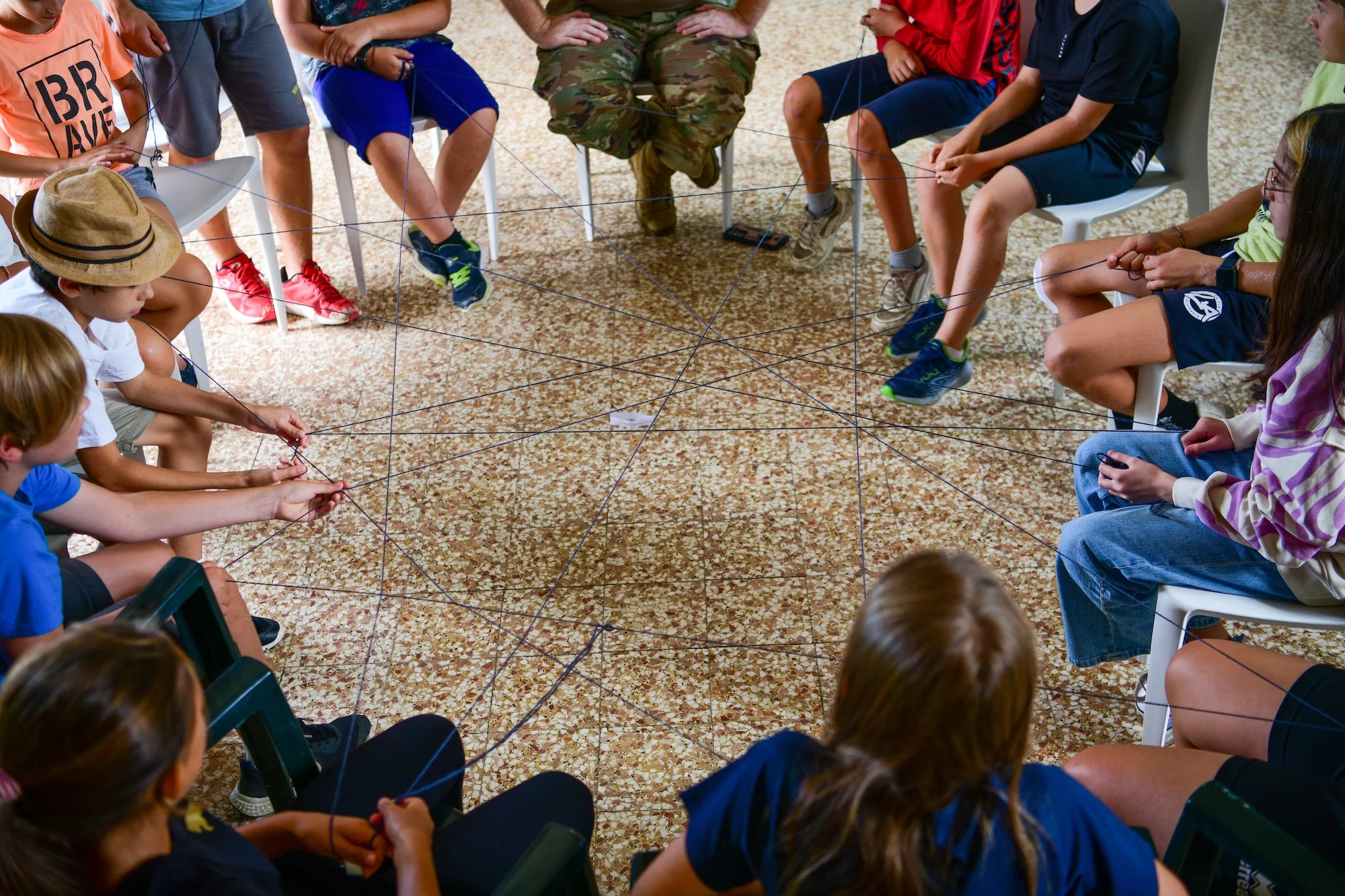
This process not only builds empathy but also enhances self-awareness as children learn to predict reactions and tailor their presentations accordingly. Activities such as class presentations and debates provide practical opportunities for kids to practice these skills, fostering growth not just academically, but socially and emotionally as well. For more insights, visit The Bluebells.
Understanding their own emotions helps kids become more empathetic, communicative, and socially adept. Emotional intelligence involves:
- Awareness of personal and others' emotions.
- Proficiency in reading body language, which is closely linked to public speaking skills.
For further reading, check out CueKids.
Developing Emotional Regulation Skills in Kids
Public speaking activates various brain regions, including:
- The language centers.
- The prefrontal cortex, which aids in reasoning, planning, and emotional regulation.
This practice helps children manage stress, remain calm, and think critically under pressure. By honing public speaking skills, kids gain the confidence and adaptability necessary to handle anxiety and build resilience. For more information, visit Narayana Schools and CIS Jacksonville.
Techniques such as:
- Deep breathing
- Visualization
- Positive affirmations
can alleviate nervousness, aiding children in managing their emotions and building resilience. These methods empower kids to overcome fear and grow in confidence, which are crucial for effective communication and personal development. Learn more at Thinking Plus.
Incorporating public speaking into a child's routine can significantly enhance their emotional intelligence, enabling them to express themselves more effectively and understand others better. This lays a robust foundation for successful communication and personal growth.
Case Studies and Real-Life Stories of Public Speaking for Kids
Success Stories of Kids Excelling in Public Speaking
Public speaking can be a transformative skill for children, opening doors to leadership and self-expression. Here are some inspiring stories of young individuals who have excelled in this area:
AnnMarie's Inspiring Public Speaking Journey
AnnMarie embarked on her public speaking journey at the tender age of 9. Initially, she was filled with nerves, but witnessing a friend's standing ovation ignited her passion. This led her to establish The Practice Space, an organization dedicated to amplifying underrepresented voices through public speaking. Her initiative has guided young activists, including those from Parkland, Florida, demonstrating the power of speech and debate in preparing kids for significant roles.

Kevin's Journey Overcoming Public Speaking Challenges
Kevin, a sixth grader, faced difficulties with stuttering and speech issues. Through speech therapy and stuttering modification techniques, he transformed his experience. Transitioning from panic to confidence, Kevin now speaks assuredly in class and at large events. His story highlights how the right support can significantly enhance a child's confidence in public speaking. Discover more about Kevin's journey here.
Zhorie’l's Public Speaking Contest Victory
Zhorie’l Tapo, a first grader, delivered an impressive speech using PowerPoint and emerged victorious in a speech contest at her Leader in Me school. The teachers there emphasize speech delivery, posture, and audience engagement. Her success illustrates that starting early and consistent practice can cultivate strong public speaking skills. Learn more about Zhorie’l's achievement here.
These stories underscore the impact of public speaking in empowering young voices and shaping future leaders.
Frequently Asked Questions About Public Speaking for Kids
How Can Parents Encourage Public Speaking Practice at Home?
Getting kids comfortable with public speaking early is a big plus. One way to do this is by having "family speech nights." Everyone gets a turn to give a short speech, making speaking in front of others feel normal and fun. Reading stories or poems out loud is another great way to play around with how they use their voice, making it more fun and less like a chore. Afterward, giving them some helpful feedback can really boost their confidence and help them get better.
Technology can also be a big help. Recording their practice sessions lets kids see how they speak and figure out what to tweak. Simple smartphone apps make this easy. You can also set little challenges where they talk about things they know well or care about. This helps them get more comfortable and fluent. Teaching them how to breathe right and make eye contact can also do wonders for their voice control and overall communication. By helping them see speaking in front of others as less scary, parents can help them feel more positive about public speaking.
Fun Activities to Enhance Kids' Public Speaking Skills
Role-playing and fun activities like storytelling and poem recitals can make public speaking something kids actually look forward to. Games that let them play with their voice—trying out happy, sad, or excited tones—help them learn to express themselves clearly. Activities that focus on body language, posture, and gestures can really improve how they come across on stage.
Using things around the house as prompts for quick speeches can boost their confidence and quick thinking. Group courses that get harder over time help them get used to different speaking situations. For example, a "show and tell" where they talk about an object for two minutes using gestures and voice changes can be super helpful. Programs like The Eloquence College offer courses tailored to their age, focusing on building these skills through structured activities and presentations.
Long-Term Benefits of Public Speaking for Kids
Learning public speaking has huge long-term benefits for kids. It can really boost their confidence and communication skills, which are key for leadership roles later on. Kids who practice public speaking tend to get over stage fright and can express their ideas clearly in different settings. Employers love strong communication skills, so this can open up more career opportunities down the line.
Public speaking also helps kids organize their thoughts and speak with clarity and courage, which is great for both school and personal success. It can even reduce the fear of speaking in public, which affects a lot of adults. In fact, about 77% of adults are afraid of public speaking, but kids who start young are 45% more likely to grow into confident leaders. Programs like LearnifyU focus on these benefits, helping kids do well in school debates, give presentations with confidence, and aim for leadership roles in their future careers.