
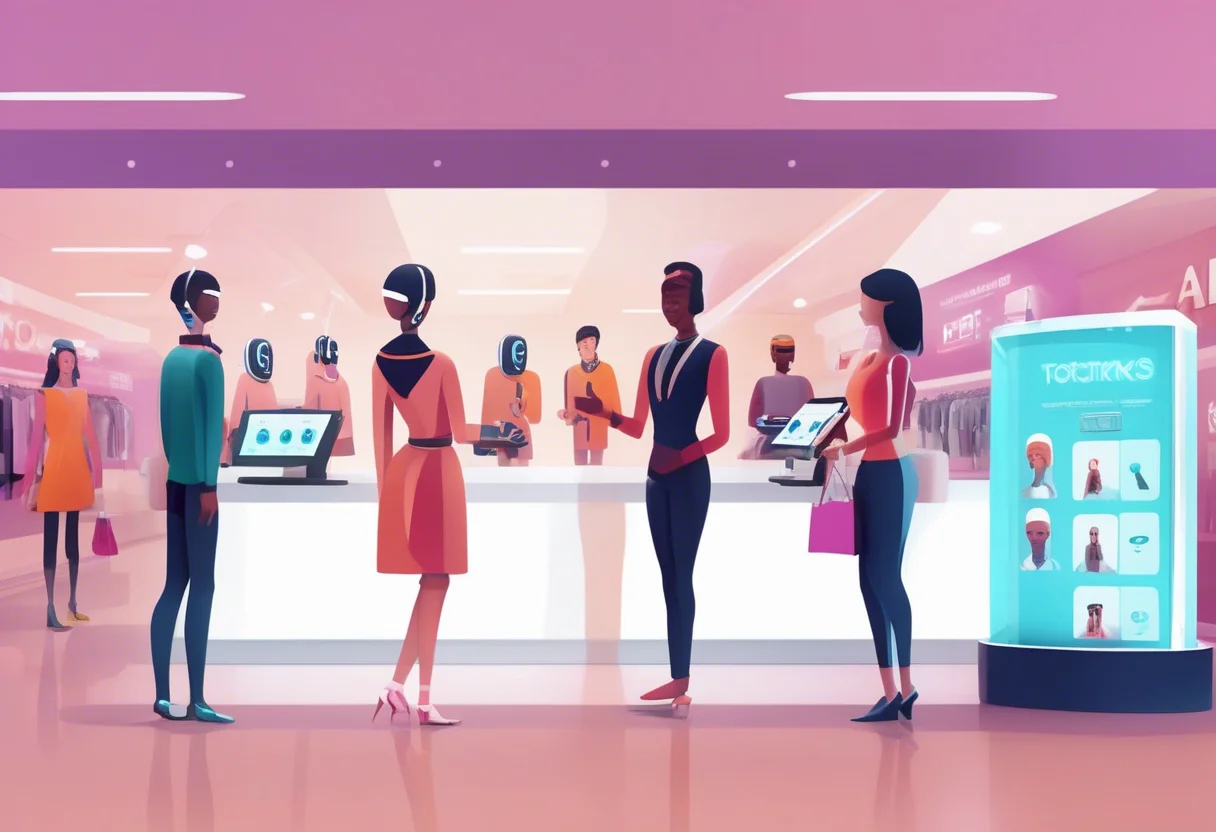
In our digital age, businesses are always looking for ways to improve how they interact with customers. AI is playing a big role in this. It's changing how companies engage with people. Did you know 80% of companies are using AI to boost their customer experience? This isn't just a passing phase; it's a major shift. AI is making customer interactions more personal and smooth, blending human and machine efforts. Here, we'll look at the latest in AI-driven customer experience, check out advancements in different sectors across the US, and even glance at future trends that might change how we connect with customers. Curious about how AI can boost your business's customer experience? Let's dive in!
Summary: This article provides an overview of AI-driven innovations in customer experience, focusing on hyper-personalization, human-AI collaboration, and sector-specific advancements in the US. It also explores future trends, predictions, and contributions from companies like Deepbrain AI.
AI-Driven Innovations in Customer Experience: An Overview
Understanding the Impact of AI-Driven CX Innovation
AI is revolutionizing the customer service experience by making interactions more personal, accelerating service delivery, and providing insights to anticipate customer needs. These AI systems not only enhance interactions but also grasp emotional nuances, fostering stronger connections and loyalty. By 2025, AI is poised to transform industries by boosting efficiency and creating seamless customer experiences, particularly in retail, where it offers real-time personalized deals. Generative AI and virtual agents enable brands to deliver exceptional service while reducing costs through task automation.
Key AI Technologies Transforming Customer Experience
AI-Powered Chatbots and Virtual Assistants
AI chatbots and virtual assistants streamline customer support tasks, accelerating response times and resolving issues more efficiently. They offer 24/7 assistance, allowing human agents to focus on more complex problems. For instance, Salesforce employs these bots to automate support and personalize interactions.
Advanced Personalization Engines
Personalization engines leverage customer data to tailor product suggestions, messages, and content, enhancing engagement. Retailers like Amazon utilize these engines to provide customized product recommendations, driving sales and interaction.
Predictive Analytics for Customer Insights
AI-driven predictive analytics anticipate customer needs, enabling businesses to offer services and deals before issues arise. By analyzing historical data, these tools forecast behavior and preferences, helping businesses stay ahead of the curve.
Emotion Recognition and Sentiment Analysis
Emotion recognition and sentiment analysis tools help businesses understand customer emotions, leading to more empathetic interactions. By comprehending sentiment, companies can enhance satisfaction and loyalty, effectively responding to feedback from social media and reviews.

AI-Driven Hyper-Personalization for Enhanced Customer Experience
AI-Powered Chatbots and Virtual Assistants in CX Innovation
AI chatbots and virtual assistants have fundamentally transformed customer interaction, delivering experiences that feel both personal and unique. Leveraging Agentic AI, these intelligent systems adapt to each customer's immediate needs, moving beyond static processes. By utilizing real-time data and machine learning, they ensure every interaction is special.
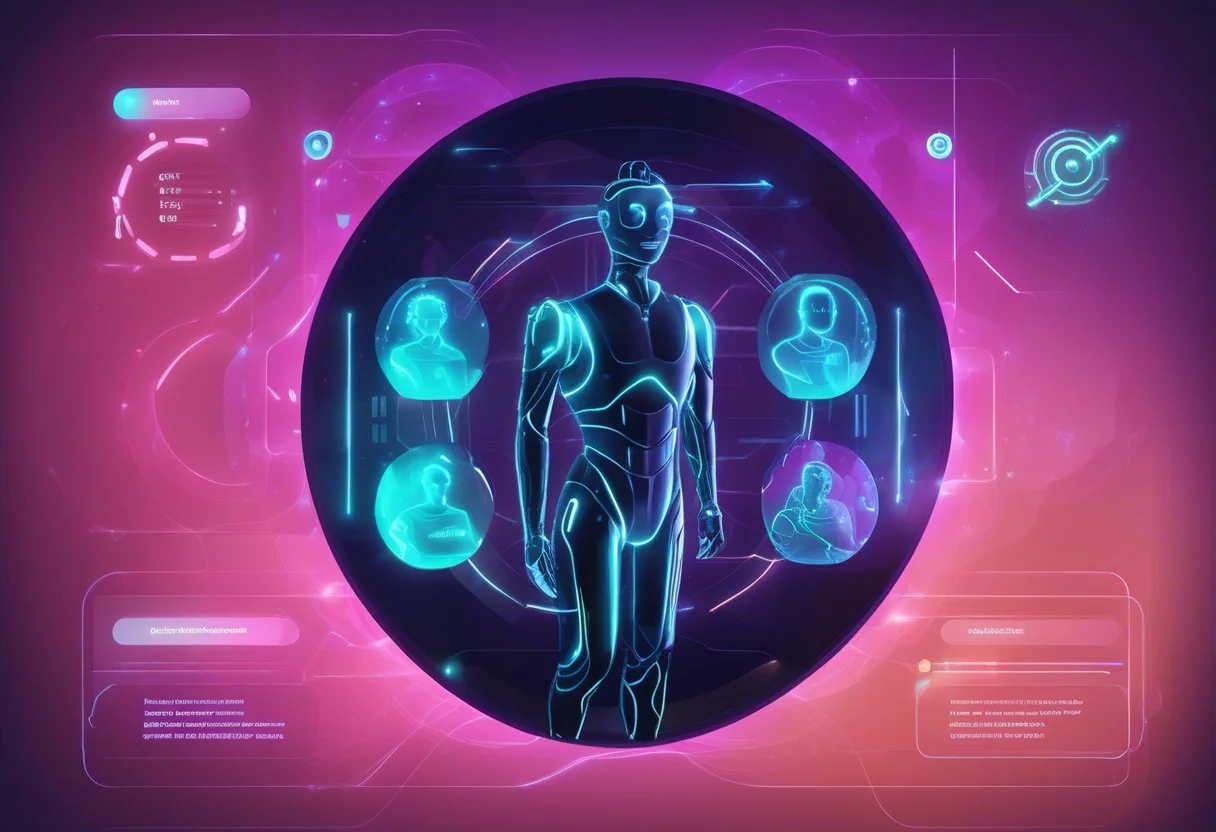
For instance, a virtual assistant might anticipate a customer's next move, offering assistance or product suggestions before they even ask. This proactive service not only enhances customer satisfaction but also fosters loyalty and trust. These AI assistants excel at predicting needs and providing relevant experiences, thereby enriching the customer journey.
Predictive Analytics for Proactive Customer Engagement
Predictive analytics is pivotal in enhancing customer experiences through AI. It enables businesses to foresee what customers might want or need. By integrating AI, machine learning, and real-time data, companies can predict future behavior and engage customers with the right content or offers at the optimal time and via the best channel.
This shift from reactive to proactive engagement allows brands to anticipate needs and deliver seamless, relevant experiences. With AI-powered decision engines, companies can swiftly analyze data such as browsing habits and purchase history to determine the most personalized content or offer for each individual. Retailers, for example, use this capability to suggest products a customer might purchase next, delivering offers through the customer's preferred communication channel, even before they start searching.
Emotion AI and Sentiment Analysis in Customer Experience
Emotion AI and sentiment analysis are crucial in personalizing interactions by understanding emotional context. Although not always overtly mentioned, these technologies are advancing in detecting emotions to enhance interactions. Emotion AI can adjust the tone and content of messages based on a customer's emotional state, creating more empathetic experiences.
For example, if a chatbot detects frustration in a customer's messages, it might escalate the conversation to a human agent and modify its responses to be more understanding. This approach not only personalizes interactions but also adds emotional intelligence, leading to more satisfied customers.
Enhancing Operational Efficiency with AI Automation
AI-driven personalization also enhances efficiency and automation, streamlining processes. By automating personalized experiences at scale, AI overcomes the limitations of manual efforts. Businesses utilize AI and machine learning to manage vast amounts of personal data, delivering detailed, tailored experiences without significantly increasing costs.
AI automation enables brands to maintain real-time, relevant interactions across channels, boosting satisfaction, loyalty, and revenue. For instance, a retail brand might use AI to update website content and offers based on a customer's browsing and purchase history, improving conversion rates without manual intervention.
Overall, AI-driven personalization is revolutionizing customer experiences across industries. With technologies like AI chatbots, predictive analytics, emotion AI, and automation, businesses can craft experiences that cater to each customer’s unique needs, enhancing satisfaction and loyalty.
Agentic AI
Hyper-Personalized Experiences
AI-Powered Personalization
Emotion AI
AI in Retail
Human-AI Collaboration in AI-Driven CX Innovation
Integrating AI with Human Empathy for Enhanced Customer Experience
Highlight Section:
In today's rapidly evolving digital landscape, businesses are constantly seeking innovative ways to enhance customer experiences. One such method is the integration of artificial intelligence (AI) with human empathy. AI can process vast amounts of data quickly and efficiently, providing valuable insights into customer behaviors and preferences. However, it is the human touch, the ability to empathize and understand emotional context, that truly elevates the customer experience.

By leveraging AI technologies, companies can automate routine interactions, allowing human agents to focus on more complex and emotionally nuanced situations. This not only improves efficiency but also ensures that customers feel valued and understood. For instance, AI can handle initial inquiries and data collection, while human agents address concerns that require a personal touch. This synergy between AI and human empathy creates a seamless and personalized customer journey, leading to increased satisfaction and loyalty.
AI-Driven CX Innovations in the US
AI Transformations in Retail
In the retail industry, AI is revolutionizing customer experiences through hyper-personalization. Modern applications now deliver product recommendations and exclusive deals that feel uniquely tailored to each individual. This approach not only enhances customer retention but also strengthens brand loyalty.

For example, Starbucks leverages Customer Data Platforms (CDPs) to monitor customer preferences and dispatch personalized offers, fostering satisfaction and loyalty. Additionally, tools for social listening and reputation management are crucial. They enable retailers to swiftly address online feedback, ensuring continuous improvement.
Utilizing AI in this manner not only streamlines the shopping experience but also fortifies customer relationships. Learn more about how AI is transforming customer experience in retail.
AI Advancements in Healthcare
In healthcare, AI is pivotal in enhancing patient interactions and optimizing operational efficiency. AI chatbots and virtual assistants provide 24/7 support, addressing inquiries and performing routine tasks, thereby elevating patient satisfaction. The integration of AI with human-designed dialogues ensures swift and precise communication.
Moreover, predictive analytics plays a crucial role in healthcare by anticipating patient needs and enabling proactive care management, which significantly enhances the patient experience. An increasing number of healthcare providers are adopting hybrid AI chatbots to manage patient inquiries with personalized and secure communication. Explore the latest customer service innovations in healthcare.
AI Innovations in Finance
In the finance sector, AI is transforming customer interactions and enhancing operational efficiency. US banks employ AI-powered assistants and chatbots to streamline customer service, reducing wait times and expediting processes. These systems also facilitate multi-language support and integrate seamlessly with mobile banking apps, simplifying banking for all users.
Predictive analytics enables financial firms to identify trends and plan strategically, thus improving customer service. AI has significantly reduced response times and increased client retention by offering swift and precise assistance. For instance, Bradesco Bank’s AI assistant, BIA, reduced response times from days to hours, achieving an 89% boost in client retention. Discover how AI is driving success in the finance sector.
In conclusion, AI is reshaping the retail, healthcare, and finance sectors in the US. Through personalization, predictive analytics, and real-time automation, businesses deliver seamless, efficient, and personalized experiences that enhance customer satisfaction and operational efficacy. Read more about AI-powered customer experience trends.
Future Trends and Predictions for AI-Driven CX
Emerging AI Capabilities in CX Innovation
AI is revolutionizing the way businesses engage with their customers. By 2025, it's anticipated that 95% of customer interactions will involve AI, underscoring its significance in enhancing customer experience. Generative AI is also making a significant impact in customer service, with 80% of companies planning to adopt it by 2025. Furthermore, by 2026, 10% of interactions with agents are expected to be fully automated.
However, AI's role extends beyond mere automation. It is advancing in personalization by leveraging real-time data to anticipate customer needs. Notably, 72% of customers only engage with marketing that is customized to their preferences. Emotional AI is also gaining traction, capable of discerning customer emotions and responding with empathy. As AI evolves, it combines efficiency with emotional intelligence, fostering trust and loyalty among consumers.
To stay competitive in this rapidly evolving landscape, companies are prioritizing training for their teams and investing in cutting-edge AI tools.
Deepbrain AI and Their Contributions to AI-Driven CX
DeepBrain AI: Pioneers in AI-Driven CX Innovation
DeepBrain AI, headquartered in Palo Alto, California, is a leading force in AI Human technology. Their mission is to enhance human-computer interactions through conversational AI and video generation. By merging the advantages of human interaction with the convenience of digital solutions, they aim to create AI avatars that support business growth while reducing costs and time. The focus is on developing user-friendly AI systems that maximize human potential and improve life quality in sectors like finance, retail, healthcare, and media. For example, a retail company employs DeepBrain AI's conversational avatars to deliver personalized customer service, enhancing customer experience while reducing operational expenses.
AI Studios: Transforming Customer Experience with AI-Driven Solutions
Central to DeepBrain AI's offerings is their AI Studios platform. This platform integrates AI-driven video generation with conversational AI to craft lifelike digital avatars capable of engaging in natural conversations, exhibiting emotions, and making appropriate gestures.

Utilizing deep learning techniques such as GANs and advanced natural language processing, DeepBrain AI achieves a remarkable 96.5% likeness between AI-generated videos and real footage, ensuring high realism. These avatars are employed in various applications, including interactive platforms and video creation tools, enabling real-time rendering for dynamic conversations and interactions that elevate customer experience.
DeepBrain AI operates on a global scale, with primary R&D in Seoul and offices in the U.S. and China, leveraging a diverse talent pool to drive innovation in AI customer experience solutions. Collaborations with major tech companies like Lenovo, Microsoft, NVIDIA, and AWS allow them to utilize cloud infrastructure for scalable AI solutions. A notable example of their technology is the partnership with Novotel, where an AI receptionist was deployed to handle guest inquiries, significantly reducing wait times and enhancing service efficiency.
This exemplifies DeepBrain AI's leadership in AI-driven customer experience innovation, as acknowledged by their CES Innovation Awards in 2022 and 2023.
FAQ on AI-Driven CX Innovation
How is AI Transforming Customer Service in the US?
AI is revolutionizing customer service in the US by creating interactions that are smarter, more personal, and often independent of human involvement. These AI agents are capable of handling both simple inquiries and complex issues, generating case summaries, and providing tailored advice instantly. This not only enhances customer satisfaction but also streamlines operations.
Tools like generative AI and machine learning are transforming customer service by delivering faster, more precise, and personalized interactions. AI systems leverage natural language processing (NLP) to understand customer intent, assess sentiment in real-time, and adjust responses based on previous interactions.
Key Features:
- AI chatbots and virtual assistants manage FAQs and routine queries, allowing human agents to focus on complex issues and ensuring 24/7 support.
- AI automates ticket sorting and routing by analyzing message content and sentiment, prioritizing urgent issues for efficient support.
For instance, a US retail company uses AI agents across various platforms to reduce response times and enhance customer satisfaction.
What are the Main Benefits of AI-Driven CX Innovation?
AI empowers businesses to handle more support requests without compromising customer satisfaction and loyalty. It offers rapid, round-the-clock support through AI chatbots and self-service portals, ensuring customers receive assistance whenever needed.
Benefits of AI:
- AI analyzes customer data to anticipate needs, deliver personalized recommendations, and identify potential issues.
- Predictive analytics helps reduce customer churn by addressing needs proactively.

AI boosts efficiency and productivity by automating routine tasks like responses, ticket sorting, and quality checks. It enhances knowledge and workforce management, reduces operational costs, and ensures a consistent brand experience. For example, a US insurance company uses AI to analyze customer sentiment and behavior, enabling personalized communication that meets customer needs and reduces churn rates.
How Do AI Chatbots Improve Customer Satisfaction?
AI-driven chatbots enhance customer satisfaction by providing quick responses to common questions, reducing wait times, and delivering accurate information promptly. They are available 24/7, ensuring help is always accessible without delays.
Advantages of AI Chatbots:
- Chatbots analyze browsing habits and search queries to suggest helpful documents or product tips before customers even ask.
- By handling repetitive inquiries, AI chatbots allow human agents to concentrate on more complex, high-value issues, improving overall service quality.
These chatbots utilize natural language processing and sentiment analysis to understand customer desires and emotions, directing conversations to the appropriate agents when necessary, thus improving issue resolution. For example, an e-commerce company in the US employs AI chatbots on its website to answer FAQs and guide customers through troubleshooting, resulting in happier customers and fewer support calls.
For more insights into AI's role in customer service, check out Salesforce, or see IBM's take on the future of customer service. Dive into AI's impact on customer experience with Zendesk's detailed review.