

Communicating well as a leader is crucial, especially now. And here's a thought: embracing diversity might just boost that communication. McKinsey found that companies with diverse leadership are 33% more likely to be profitable. This shows that diversity goes beyond just numbers—it's about different thoughts, perspectives, and ways of communicating. Picture a leadership team that understands cultural nuances, tailors strategies for different audiences, and creates an inclusive space where everyone feels heard. We'll look into how diversity can enhance leadership communication, sparking innovation, better decisions, and stronger teams. So, let's explore how diversity is more than just a buzzword—it's key to effective leadership communication!
Summary: This article discusses the importance of embracing diversity in leadership communication, highlighting key elements such as cultural sensitivity, inclusive language, and adaptive strategies. It emphasizes the benefits of diverse leadership including innovation, improved decision-making, and enhanced team cohesion.
Embracing Diversity in Leadership Communication
Effective Leadership Communication Strategies
Good leadership communication is more than just passing along information. It's about creating a space where every voice is heard and valued. In diverse settings, leaders must juggle different viewpoints. Strategies like nonviolent communication (NVC) can help build respect and understanding across cultures. Leaders should integrate diversity into daily life by:
- Getting team members' names right
- Weaving different backgrounds into the work culture
These actions demonstrate that diversity is a core value, not just for show.
Verbal and Non-verbal Leadership Communication Skills
Verbal communication involves the words we use and how we say them. Leaders need to:
- Watch their tone
- Be clear
- Speak at a pace everyone can follow
Non-verbal signals, such as body language and eye contact, are equally important. Good leaders know how to read these signals and adjust their style to connect with different groups. Diversity training can sharpen these skills, helping leaders manage language barriers and understand nonverbal cues better.

Reducing Bias in Leadership Communication
Bias can sneak into communication without us even knowing it. Leaders must work hard to spot and reduce their own biases to keep communication fair. This involves:
- Listening well
- Asking for feedback
- Being open to new ideas
A feedback-friendly culture can help uncover biases and improve communication, leading to more inclusive leadership. According to Loeb Leadership, inclusive leaders have real, open conversations, listen closely, and ask questions to empower their diverse teams, strengthening bonds and boosting innovation.
By tuning into different communication needs, leaders can build an inclusive environment that taps into the diverse strengths of their teams. Even with challenges, 57% of executives say they're boosting their DEI efforts, showing a commitment to weaving diversity into leadership communication and the broader organizational culture, as noted by Cerkl.

Definition and Importance of Leadership Communication
Understanding Effective Leadership Communication
Leadership communication isn’t just about passing on information. It’s about sharing ideas and strategies in a way that inspires and guides your team. You use words, gestures, and writing to build trust and work together toward success. It's like painting a picture with your actions and words to get everyone on the same page.

Whether you give a speech, send an email, or lead a meeting, using stories and understanding emotions are key to motivating your team and keeping them focused on the company’s goals.
The Crucial Role of Leadership Communication
Effective communication from leaders is crucial for:
- Keeping everyone aligned with the company’s goals.
- Building a trusting and cooperative environment.
- Making better decisions and lifting team spirits.
- Strengthening workplace relationships, all essential for success.
Key Benefits:
- Informs and Inspires: Good communication helps leaders inform and inspire others in various situations.
- Connects and Builds Trust: It connects people, builds trust, and sparks creativity and new ideas.
- Facilitates Change Management: Vital for managing changes smoothly, it supports diversity and inclusion, enhances leadership influence, and boosts productivity through teamwork.
When leaders listen actively and show empathy, they:
- Build trust.
- Settle conflicts.
- Lift team morale.
This leads to better results for the organization.
In times of change, a leader’s open and caring communication can address worries, build trust, and encourage employees to adapt. This underscores the importance of communication in overcoming challenges and achieving success within an organization.
Key Elements of Leadership Communication
Embracing Diversity in Leadership Communication
Diversity in leadership communication is crucial for effectively conveying messages within multicultural and multidisciplinary teams. In the US context, focusing on clarity, consistency, and active listening is essential. These elements help ensure that messages resonate with diverse groups.
Active listening is particularly important as it enables leaders to understand different viewpoints and build trust in multicultural settings. Leaders must consider the realities of their teams, not just their own perspectives, to avoid misunderstandings and promote inclusion.

Enhancing Empathy in Leadership Communication
Diverse leadership enhances performance by fostering open discussions, transparency, and stronger team bonds. Leaders who communicate with emotional intelligence and authenticity can cultivate genuine connections that inspire trust and align diverse teams with the organization's goals. This empathy makes communication more personal and impactful.
Bridging Communication Gaps in Leadership
Diverse leadership communication plays a pivotal role in closing gaps by directly addressing language barriers and cultural misunderstandings. Being aware of these issues leads to clearer, more effective communication throughout the organization. Leaders must adapt their communication style to suit different audiences and navigate political realities with tact.

Fostering Innovation Through Leadership Communication
A mix of perspectives in leadership encourages fresh thinking. When leaders communicate inclusively, they create an environment where new ideas can flourish. This innovation stems from viewing challenges from various angles and sharing solutions that incorporate diverse viewpoints. By fostering an inclusive environment, leaders can inspire action and align the organization across diverse groups.
Cultural Sensitivity and Awareness in Leadership Communication
Understanding Cultural Sensitivity in Leadership Communication
Cultural sensitivity is key for leaders working across different cultures. It helps them handle diverse settings with respect and understanding. When leaders understand that cultural differences affect how people communicate, make decisions, and work together, it creates a more inclusive workplace. This awareness boosts team dynamics as well. Leaders with strong cultural intelligence can better understand local business practices, rules, and customer habits. This is crucial for making smart choices and staying profitable.
A study in Harvard Business Review found that companies with high cultural competence are 36% more profitable than their peers, highlighting the importance of cultural sensitivity in business.

The Role of Cultural Awareness in Leadership Communication
For leaders, weaving cultural competence into the fabric of their organization is crucial. They should demonstrate the importance of cultural awareness through their actions and decisions. Discussing cultural competence in meetings, memos, and evaluations sets clear expectations. Having diverse advisory boards helps ensure decisions are inclusive and respect cultural impacts. Leadership programs should include cultural competence training with hands-on experiences and feedback to measure progress. Organizations that celebrate cultural diversity through events and recognize culturally aware behaviors in reviews build cultural awareness into their leadership style.
Strategies for Enhancing Cultural Sensitivity in Leadership
Training and Education for Leadership Communication
Active listening, empathy, and learning about cultures are vital for leaders to build cultural competence. Workshops and seminars can equip leaders with tools to understand and respect cultural differences. These programs often include simulations, role-playing, and case studies to help leaders practice these skills. Using simple language, avoiding jargon, and being aware of different communication styles can prevent misunderstandings in diverse teams. Leaders who adjust their communication and listen actively can better connect with diverse team members, leading to improved collaboration and innovation.
Encouraging Open Dialogue in Leadership Teams
Leaders can foster an open culture by inviting team members to share their cultural backgrounds and experiences. When employees feel safe expressing their cultural identities, it promotes mutual understanding and respect. Being aware of non-verbal cues like body language, facial expressions, and tone is important since these vary across cultures. Asking for clarification when unsure and avoiding stereotypes helps maintain respectful and effective communication. Celebrating diversity by recognizing unique contributions fosters a sense of belonging in global teams.
Implementing Inclusive Policies for Leadership Communication
Inclusive policies are crucial for promoting cultural sensitivity at work. These should cover language diversity, religious practices, and holiday observances. By implementing policies that respect cultural differences, leaders demonstrate their commitment to inclusivity and set a positive example.
Culturally sensitive leadership improves team dynamics, fosters inclusivity, and enhances decision-making.
High cultural intelligence reduces misunderstandings that could lead to costly errors, delays, or project failures. Inclusive communication boosts employee engagement and productivity, making employees feel valued regardless of their cultural background.
Tools and Technologies for Enhancing Leadership Communication
Language Translation and Interpretation Tools for Leaders
Tools like Google Translate and Microsoft Translator help overcome language barriers in multicultural teams. These tools enable leaders to communicate effectively with team members who speak different languages, ensuring everyone understands each other.
Cultural Intelligence Platforms for Leadership Development
Platforms like CQ Global offer resources and assessments to help leaders build their cultural intelligence. They provide insights into cultural differences and offer strategies for improving cross-cultural interactions.
Collaboration and Communication Tools for Diverse Teams
Tools like Slack and Zoom facilitate communication within diverse teams. These platforms feature real-time translation and customizable settings to accommodate different cultural preferences, helping leaders engage with team members from various backgrounds.
Organizations with strong cultural competence operate more smoothly in international markets and tailor products and services to regional needs more effectively. Companies with above-average workplace diversity in management generate 45% of their revenue from innovative products and services, demonstrating the financial benefits of cultural sensitivity.

Inclusive Language in Leadership Communication
Understanding Inclusive Language in Leadership
Inclusive language is about acknowledging diversity and showing respect for everyone. It's about being mindful of differences and promoting equal opportunities. By avoiding words that might be racist, sexist, or biased, we create a space where everyone feels heard and valued. In leadership, using inclusive language is crucial. It helps employees from all backgrounds feel recognized and respected, supporting diversity, equity, inclusion, and belonging (DEIB).
Benefits of Using Inclusive Language in Leadership Communication
Enhancing Team Cohesion through Inclusive Language
Leaders set the tone for inclusivity by using inclusive language in both formal and casual settings. By recognizing their own biases, leaders can nurture a fair team culture. This kind of communication builds psychological safety, encouraging everyone to speak up and be themselves. When people feel safe, they're more likely to communicate openly and work well together. Inclusive language helps break down barriers and build trust, making for a more harmonious workplace.

Boosting Employee Engagement with Inclusive Communication
When employees feel seen and heard, they're more engaged and motivated. Inclusive language in leadership boosts morale and engagement by showing that every perspective matters. This leads to higher job satisfaction and better retention. A Deloitte study showed that while 79% of companies see the value in an inclusive culture, only 17% act on it, highlighting a gap in leadership communication.
Promoting Innovation through Diverse Leadership Communication
Diverse teams bring fresh ideas, which can spark innovation. But for this to happen, team members need to feel comfortable sharing their thoughts. Leaders who use inclusive language create an environment where all voices are welcome. This openness is key to fostering innovation and making better decisions.
Strategies for Implementing Inclusive Language in Leadership
Avoiding Assumptions in Leadership Communication
Leaders should avoid making assumptions about people based on looks, names, or backgrounds. Instead, they should get to know each person's unique identity. This approach prevents misunderstandings and shows respect. Training on unconscious bias and inclusive terms, sharing pronouns, reviewing job postings for bias, inviting feedback, and updating guidelines as language evolves are all ways to promote inclusive language.

Using Gender-Neutral Terms in Leadership
Using gender-neutral terms is a simple way to be more inclusive. Words like "they/them" instead of "he/she" or "chairperson" instead of "chairman" help ensure no one feels excluded. Putting the person before the descriptor and avoiding jargon also makes communication more inclusive.
Being Mindful of Cultural Differences in Leadership
Cultural awareness is key to using inclusive language. Leaders should learn about their team members' cultural backgrounds and avoid terms that might be disrespectful. This awareness helps create an environment that honors diversity. Ensuring all employees, including remote workers, have access to inclusive communication tools like mobile apps is also important.
Tools and Resources for Practicing Inclusive Language in Leadership
Grammarly for Inclusive Leadership Communication
Grammarly has a feature that helps spot and replace non-inclusive terms. It's a handy tool for leaders who want their writing to be respectful and inclusive.
Textio for Leadership Communication Inclusivity
Textio offers real-time feedback on language inclusivity in job postings and other documents. It helps leaders craft messages that are welcoming to everyone.
Language Style Guides for Leadership Communication
Many organizations have language style guides that provide tips for using inclusive language. These guides are great resources for leaders looking to improve their communication.
For more on inclusive leadership communication, check out resources that emphasize honesty, authenticity, active listening, and adapting communication to individual needs.
Adaptive Communication Strategies for Leadership
Understanding Diverse Communication Styles in Leadership
Being a good leader means knowing how to communicate with different people. It’s about figuring out your own style and getting a sense of what works best for your team. Maybe some folks prefer a chat one-on-one, while others need things explained in simpler terms. This kind of flexibility is key to sharing your vision, setting limits, and keeping the team motivated.
Tools like DISC assessments or the Myers-Briggs Type Indicator (MBTI) can help you understand these styles better. They let you switch up how you communicate based on what’s needed at the moment and who you’re dealing with.

Utilizing Technology to Enhance Leadership Communication
Tech plays a big role in how we communicate today. Platforms like Slack and Microsoft Teams make it easy to talk in real-time and tweak messages based on what you hear back. Video calls on Zoom or Google Meet let you catch those non-verbal cues that say a lot about how the team’s doing.
Additionally, tools like Asana or Trello keep things organized and make sure everyone gets the info in a way that works for them.
Building an Effective Feedback Loop in Leadership
Getting feedback is a big part of keeping communication adaptive. Leaders should create a space where everyone feels comfortable speaking up and sharing thoughts. Using tools like SurveyMonkey or Google Forms can help gather feedback anonymously, showing you where you can improve.
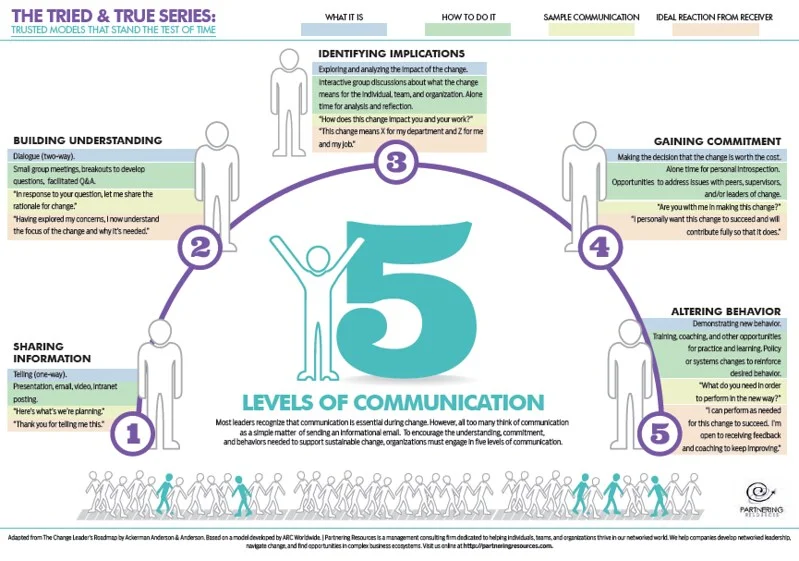
Regular one-on-one chats are also great for getting specific feedback, helping you tweak how you communicate to better fit your team. This builds trust and makes it easier for everyone to share their concerns and ideas, which is great for team dynamics.
Leadership Communication: Fostering Innovation and Creativity
The Impact of Leadership Communication on Driving Innovation
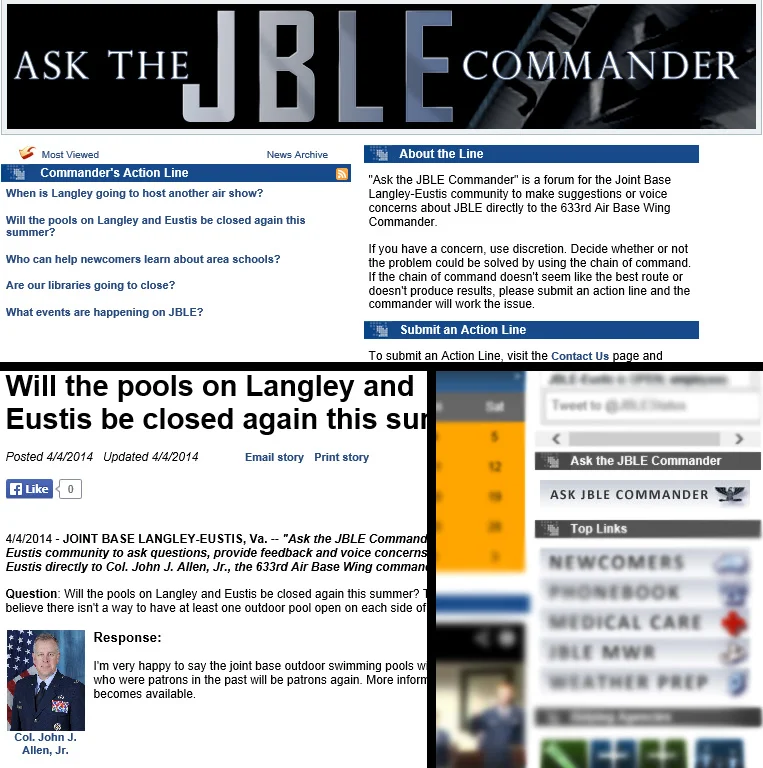
Good communication among leadership teams is key to sparking creativity and pushing innovation. When leaders create a space where sharing ideas and working together is the norm, it inspires teams to think in new ways. This kind of open dialogue makes employees feel appreciated and motivated, which leads to more engagement and creative results.
One effective way to keep innovation alive, especially when markets change fast, is to have an 'open door' policy. This encourages the flow of new ideas and helps break down barriers, promoting teamwork across different areas and boosting creative problem-solving.
Take the Post-it Note from 3M, for example. It's a great case of how good communication and teamwork between employees and leaders can lead to groundbreaking ideas.
Leadership Communication Styles Influencing Innovation
How leaders communicate can really shape innovation in a company. When leaders use a participative style, involving employees in decisions, it encourages risk-taking and trying new things, which fuels innovation.

However, if communication is too top-down and strict, it can squash creativity by shutting down different viewpoints and risk-taking.
Creative leadership communication focuses on being adaptable, experimenting, and challenging the usual ways to spark innovation. Leaders who share a clear vision for innovation and celebrate creative wins help make innovation a part of the company culture. Pixar Animation Studios is a great example. They encourage sharing ideas freely and learning from mistakes, which leads to ongoing success in innovation.
Enhancing Leadership Communication to Boost Innovation
New leaders can boost innovation by:
- Keeping communication channels open
- Pushing for constant improvement
- Empowering their teams
Providing leaders with the tools, support, and freedom they need helps them communicate well and drive innovation. Checking how well innovation efforts communicated by leaders are working ensures everyone is on the same page and moving toward creative goals.
Training leaders in creative communication skills is also important because it helps them become drivers of change and innovation. Companies that focus on leadership development programs highlighting communication and creativity often see better innovation results and more engaged employees.
Enhanced Decision-Making in Leadership Communication
Communication's Impact on Leadership Decision-Making
Good communication is key to strong leadership and plays a significant role in decision-making. Leaders should communicate frequently and clearly, utilizing various tools to maintain transparency and facilitate team interaction. This approach allows leaders to share their vision, align team efforts, and foster a collaborative atmosphere. By setting clear expectations and establishing team norms, leaders guide behavior and enhance communication effectiveness, leading to improved and balanced decision-making.

Keeping messages simple and direct helps avoid misunderstandings, particularly in remote work environments.
Tools for Improving Leadership Communication
Effective Communication Platforms for Leaders
Platforms like Slack and Microsoft Teams have revolutionized how leaders communicate with their teams. They provide instant messaging, video calls, and file sharing, enabling leaders to stay connected with their teams regardless of location. These platforms are essential for ensuring everyone is informed and that decision-making is clear and inclusive.

Adhering to the 7 C's of communication, especially clarity, helps reduce confusion and ensures smooth operations.
Utilizing Feedback Tools for Better Leadership Decisions
Feedback tools such as SurveyMonkey and Google Forms enable leaders to easily gather input from their teams. By soliciting feedback, leaders can make decisions that better reflect their team's needs and perspectives. This practice not only enhances decision quality but also cultivates a culture of openness and respect. Clear communication fosters an environment where employees feel comfortable sharing ideas, and acknowledging mistakes encourages innovation and problem-solving.
Strategies for Effective Decision-Making
Importance of Active Listening in Leadership
Active listening is crucial in leadership communication. Leaders who listen attentively gain a better understanding of their team's concerns and ideas, leading to more informed decisions. Techniques like paraphrasing and questioning help leaders fully comprehend the input they receive. Active listening involves giving full attention, making eye contact, and asking questions to understand diverse viewpoints, build trust, and promote open dialogue.
Ensuring Clarity and Consistency in Leadership Communication
Clear and consistent communication is fundamental to effective decision-making. Leaders must articulate their expectations and the rationale behind decisions in an understandable manner. This clarity helps prevent confusion and ensures everyone is working towards shared goals. Leaders should communicate clearly and frequently, set expectations, simplify messages, use storytelling to convey ideas, and balance assertiveness with approachability.
Case Studies of Effective Leadership Communication
Google's Leadership Communication Strategy
Google is renowned for its open communication culture, which is integral to its decision-making process. The company encourages the sharing of ideas and feedback, enabling leaders to make decisions that are innovative and aligned with the company's values.

A survey by the American Management Association found that many senior managers, executives, and employees "hardly ever" know what's happening in their organizations, highlighting the need for transparency in leadership communication to build trust and empower employees.
Netflix's Approach to Transparent Leadership Communication
Netflix emphasizes transparency and feedback in its leadership communication. The company frequently holds meetings where leaders share their visions and solicit employee feedback. This practice not only enhances decision-making but also makes employees feel valued and engaged. Effective leaders view communication as a critical component of leadership and continually refine their skills in writing, speaking, and presenting to effectively persuade and motivate others.
Enhanced Team Cohesion through Leadership Communication
Effective Leadership Communication Strategies
Good leadership communication is key to bringing a team together. Leaders can use a few strategies to boost their communication skills and build teams that are both strong and united.
Promote Open Dialogue for Better Communication
Talking openly and often is crucial for team unity. It builds trust, helps resolve conflicts, and keeps the team working well. Make sure everyone feels comfortable sharing their thoughts by holding regular meetings where everyone gets a chance to speak. Use different ways to communicate, like online platforms such as Slack or Microsoft Teams, to keep the team connected and involved.

Implement Active Listening Techniques
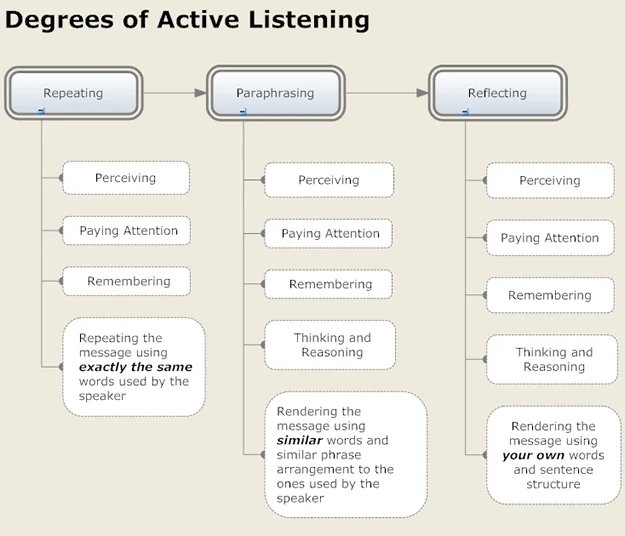
Active listening means really focusing on what someone is saying, understanding it, and responding thoughtfully. Leaders can show this by making eye contact, nodding along, and giving feedback. Summarizing what the speaker said can help confirm you understood them and shows you value their input.
Deliver Constructive Feedback Effectively
Feedback should be clear, useful, and motivating. Use the SBI (Situation-Behavior-Impact) model to give feedback that makes sense. This method helps you explain the situation, describe what you saw, and talk about its impact, making the feedback easy to understand and act on.
Cultivate an Inclusive Environment
Being inclusive means making sure all voices are heard and respected. Leaders should be aware of cultural differences and encourage everyone to participate. Tools like Trello or Asana can help distribute tasks fairly, ensuring everyone’s efforts are acknowledged and valued.

Fostering Inclusive Leadership Communication
Understanding Inclusive Leadership Communication
Inclusive communication is key to good leadership. It's about recognizing and addressing the diverse needs of your team. This means being aware of different communication styles, cultural backgrounds, and personal preferences. Leaders need to ensure their messages are clear and accessible to everyone.
Ways to achieve this include:
- Simple language: Use straightforward language to avoid misunderstandings.
- Visual aids: Implement visuals to cater to different learning styles.
- Formats for accessibility: Utilize formats that cater to individuals with disabilities.
By doing so, every employee, whether they're on the frontlines or working remotely, can stay in the loop. Utilizing communication tools with mobile apps on personal or work devices helps ensure everyone receives important information and remains connected with the organization.
Techniques for Fostering Inclusive Leadership
Active Listening in Leadership Communication
Active listening is crucial for inclusive communication. Leaders need to truly engage with their team, showing empathy and understanding. This involves:
- Asking open-ended questions
- Summarizing conversations for clarity
- Avoiding interruptions

Inclusive leaders practice active listening and create feedback loops to bring diverse perspectives into decision-making, boosting engagement and ownership.
Open Feedback Channels for Effective Leadership
Creating a space where feedback is welcomed and valued is important. Leaders should establish various feedback mechanisms such as:
- Anonymous surveys
- Regular one-on-one meetings
- Open forums
This ensures everyone feels comfortable sharing their thoughts and concerns. Inclusive leadership involves being aware of personal biases, leading with empathy, and promoting collaboration at all levels.
Tools and Technologies for Leadership Communication
Using Slack for Inclusive Leadership
Slack is a great tool for inclusive communication in teams. It allows real-time messaging, file sharing, and video calls, keeping everyone connected regardless of location. Slack also integrates with different apps, allowing teams to tailor their communication experience.
Microsoft Teams for Comprehensive Leadership Communication
Microsoft Teams is a comprehensive platform for collaboration and communication. It offers features like video conferencing, chat, and file sharing. Teams also include accessibility features such as closed captioning and screen reader compatibility, ensuring full participation.
Challenges and Solutions in Leadership Communication
Overcoming Language Barriers in Leadership
Language barriers can make communication challenging in diverse teams. Leaders can address this by:
- Offering translation services
- Using tools like Google Translate
- Encouraging clear, simple language and avoiding jargon

These strategies help bridge communication gaps.
Addressing Cultural Differences in Leadership
Cultural differences influence communication styles and expectations. Leaders should:
- Learn about cultural norms and practices
- Engage in diversity training or workshops
Effective cross-cultural communication is crucial for inclusive leadership. It requires active listening and adapting communication styles to fit cultural norms.
Best Practices for Leadership Communication
Leading by Example in Inclusive Communication
Leaders should demonstrate inclusive communication behaviors. This involves:
- Showing respect and openness
- Willingness to learn from others
By setting a positive example, leaders can inspire their teams to emulate these behaviors. Inclusive communication should start at the top, with leaders modeling inclusive language in both official communications and everyday interactions.
Continuous Learning for Leadership Communication
Inclusive communication is an ongoing journey. Leaders should continue learning and improving by:
- Exploring new strategies and technologies
- Attending workshops
- Reading relevant material
- Engaging with diverse communities
These activities offer valuable insights. Effective inclusive leaders grow self-awareness, promote social awareness, and create psychological safety to encourage open communication and diverse viewpoints.
Inclusive leadership communication is about building meaningful relationships through active listening, using inclusive language, setting clear expectations, and fostering honest, authentic dialogue. Leaders adapt their communication style to fit diverse preferences and cultural norms, ensuring all voices are heard and understood. They prioritize psychological safety, encourage open feedback, and practice patience and empathy to create an environment where everyone feels valued and able to contribute.
Leveraging Technology for Improved Leadership Communication
Enhancing Leadership Communication Skills with Technology
Today, leaders can significantly enhance their communication skills by leveraging tech tools and strategies. Writing clearly is crucial, especially for asynchronous teams where real-time conversation isn't always possible. This clarity reduces confusion and accelerates decision-making.
Leaders should capitalize on digital collaboration tools and actively listen to their teams. This fosters an environment where cultural sensitivity and open feedback thrive. Tools like TeamDynamics are excellent for honing these skills. Effective digital communication in leadership leads to better teamwork, fewer misunderstandings, increased engagement, and happier employees, all of which drive success.
Leaders such as Satya Nadella from Microsoft and Mary Barra from General Motors exemplify this by using technology to empower their teams and maintain open communication.
Essential Strategies for Leadership Communication Online
To communicate effectively online, leaders should utilize a variety of channels. This includes reaching out via email, video calls, instant messaging, and social media. Practicing digital empathy by being mindful and using video calls helps keep interactions human.
Being concise is also important, enabling leaders to convey complex ideas simply. Visuals, such as infographics and videos, enhance message retention. Studies show that people remember 65% of information with visuals, compared to just 10% without. Maintaining a consistent voice across platforms builds trust and reinforces messages.

Leaders who deliver clear, empathetic, and visually engaging messages experience stronger engagement and trust.
Top Technology Tools for Leadership Communication in the US
In the U.S., leaders employ various tools to enhance communication. Emails remain prominent, with 92% of employers using them and 89% finding them effective. Leader live events are even more effective, at 98%. Common channels include:
- All-hands meetings (36%)
- Employee apps (34%)
- Chat tools (33%)
- Phone calls (33%)
- Ad hoc emails (32%)
Meetings are the preferred method for internal communication (36%), while podcasts lag with just 4% approval. There's a notable gap between desk-based employees, who feel informed by their managers (65%), and non-desk employees (48%). This highlights the need for diverse digital tools and strategies to ensure all employees are included.
Building Trust and Engagement with Leadership Communication
To build trust through digital communication, leaders must be transparent, listen actively, and demonstrate empathy. Consistent and honest communication is vital for fostering trust within teams. Creating inclusive digital spaces for feedback and using tech to stay connected are key strategies.
As we approach 2025, tech leaders should prioritize authenticity, aligning their communications with actions and values to inspire loyalty and build trust.

This approach can motivate teams, boost loyalty, and enhance corporate reputations.
Mentoring and Training for Leadership Communication
Leadership Communication Mentoring Programs
Mentoring programs are key for sharpening leadership communication skills. Consider the Speaking as a Leader® program. It offers personalized coaching and group practice to boost clarity, conviction, and the knack for inspiring action—essentials for any leader. Another option is Maxwell Leadership, which tailors programs to help leaders express their vision and build a positive, inclusive culture.
These programs don't just polish individual skills; they also promote a culture of open dialogue and ongoing learning in organizations.
Leadership Communication Training Workshops
Training workshops provide leaders with a hands-on approach to honing their communication skills. For instance, Frontline offers workshops on trust-building, effective meetings, and feedback, often tailored to meet organizational needs. Similarly, Harvard's leadership communication programs employ interactive methods like case studies and role-play to teach complex skills such as influencing and trust-building.

These workshops allow leaders to practice and receive feedback on the spot, aiding in the development of a more flexible and effective communication style.
Online Learning Platforms for Leadership Communication
Online platforms like Coursera and Harvard Online offer courses that enhance leadership communication through storytelling, personal branding, and strategic communication. These courses are flexible, allowing leaders to learn at their own pace while covering key topics like persuasive communication and conflict resolution.
By tapping into these resources, leaders can continuously refine their skills, staying sharp in a constantly changing business world.
Company Examples of Effective Leadership Communication
Transparent Leadership Communication
Google sets a great example of maintaining clear and open leadership communication. They hold regular all-hands meetings, known as TGIF (Thank God It's Friday), where employees can directly ask questions to the executives. This setup helps build trust and ensures everyone is aligned with the company’s goals and strategies. By being transparent, Google demonstrates that open communication is key to building trust and preventing rumors before they start.
Leadership Communication with OKRs
Google’s use of the OKR framework highlights the importance they place on clear communication of goals at every level. This method allows leaders to set goals with measurable results, helping teams understand how their work fits into the bigger picture. With OKRs, there’s less confusion and more trust, as employees can see how their efforts align with the company’s objectives.
Microsoft
Leadership Communication and Growth Mindset
Under Satya Nadella, Microsoft has embraced a growth mindset focused on learning and development. Nadella’s communication style encourages open dialogue and transparency, which has been pivotal in transforming the company’s internal communication. By promoting open dialogue and feedback, Microsoft has created an environment where innovation thrives and teams are well-aligned.

Enhancing Leadership Communication with Employee Engagement Platforms
Microsoft leverages tools like Microsoft Teams to enhance communication and collaboration among employees. These platforms enable leaders to share updates, gather feedback, and maintain a continuous conversation with employees, fostering a more connected and engaged workplace. This approach emphasizes the use of clear and straightforward messages to reduce confusion and build trust within teams.
Amazon
Customer-Centric Leadership Communication
Amazon’s communication strategy is centered around the customer. Leaders emphasize the importance of understanding customer needs and tailoring communication strategies accordingly. This focus ensures that everyone in the company is working towards the same goal: delivering exceptional customer experiences. By keeping communication customer-focused, Amazon illustrates the significance of clarity and clear goals, especially in light of early communication challenges faced by Jeff Bezos.
Data-Driven Leadership Communication
Amazon employs data to shape its communication strategies. Leaders rely on insights from customer feedback and market trends to guide their messages, ensuring they are relevant and effective. This data-driven approach underscores the importance of clear, direct messages to engage teams and drive success.
IBM
Leadership Communication Through Development Programs
IBM invests heavily in leadership development programs to enhance communication skills among leaders. These programs focus on building emotional intelligence and effective communication strategies, empowering leaders to inspire and engage their teams. By prioritizing leadership development, IBM demonstrates its commitment to trust and transparency within the company.
Diversity and Inclusion in Leadership Communication
IBM’s commitment to diversity and inclusion is evident in its leadership communication. The company fosters an inclusive culture where diverse perspectives are welcomed and encouraged, building a sense of belonging and teamwork. By emphasizing diversity and inclusion, IBM aligns with the principles of transparency and openness, sharing both successes and challenges to build trust and prevent rumors.

Impact of Leadership Communication on Organizations
Challenges of Poor Leadership Communication
Leadership communication has a massive impact on organizations. Poor communication can cost U.S. businesses up to $1.2 trillion each year, or about $12,506 per employee. This isn't just about money, though. It also brings challenges like:
- High employee turnover
- Trouble finding talent
- Disengaged workers
- Low morale
- Lost trust
These problems can make work environments toxic, slow down growth, cut profits, hurt leadership credibility, delay projects, and lower customer satisfaction.

Take, for example, a U.S. company with high employee turnover. They found that poor leadership communication led to disengagement and mistrust, which hit their productivity and profits hard.
Benefits of Effective Leadership Communication
But when leaders communicate well, it makes a big difference. It builds trust, boosts motivation, and gives employees clarity and purpose. Many leaders think they're being clear, but 71% of employees say not enough time is spent explaining goals. This shows there's often a gap between what leaders think and what employees feel.

Strategies to Enhance Leadership Communication
To improve communication, it's important to:
- Find the root causes
- Understand the barriers
- Use targeted solutions to encourage real two-way conversations
This is especially crucial in hybrid and remote setups. Regular updates and active listening can boost trust and engagement, reducing misunderstandings and improving team performance.
Learn more about the importance of leadership communication here and here.
Intersectionality in Leadership Communication
Understanding Intersectionality's Impact on Leadership Communication
Intersectionality in leadership involves recognizing how different social categories—such as race, gender, and class—intersect and influence leadership roles and styles. Leaders who grasp and embrace this concept can foster inclusive environments and spark real change.
Intersectionality's Role in Shaping Leadership Communication Styles
Intersectionality highlights that people possess many overlapping identities, including race, gender, disability, and sexual orientation, which shape their experiences and communication styles. Leaders who incorporate intersectionality into their communication approach are more inclusive, addressing unconscious bias, microaggressions, and workplace inequalities that affect underrepresented groups.

Being curious and empathetic is key to understanding the complex nature of identity, as it helps avoid one-size-fits-all approaches that might silence diverse voices. For instance, a leader who truly listens to the unique experiences of a Black woman with a disability and adapts communication to her specific challenges exemplifies intersectional leadership communication. Read more about how intersectionality builds stronger leadership teams.
Advantages of Intersectional Leadership Communication in US Companies
Intersectional leadership communication nurtures an inclusive culture, empowering people from all backgrounds and boosting team unity and innovation. Companies that integrate intersectionality into their communication strategies often experience better employee retention because employees feel recognized and valued for their complex identities.
Microsoft data shows that employees who view diversity and inclusion efforts positively are 1.8 times more likely to stay, highlighting the impact of inclusive leadership communication. Microsoft's growth in women and minority representation in leadership is tied to inclusive communication strategies that account for intersectionality, thereby boosting employee engagement and retention. Learn more about intersectionality in inclusive workplace cultures.
Overcoming Challenges in Intersectional Leadership Communication
Leaders might struggle with intersectional communication due to a lack of awareness or training, which can lead to exclusion despite diversity efforts. Effective intersectional communication goes beyond surface-level diversity metrics to grasp the nuanced experiences of employees with multiple marginalized identities.
Reversing diversity and inclusion commitments, like Microsoft's disbanding of its internal EDI team despite prior progress, can erode trust and harm reputation. A US company not providing intersectionality training for leaders might unintentionally allow microaggressions in communication, harming inclusion efforts. Explore more about the importance of intersectionality in DEI strategy.
Practical Steps to Implement Intersectionality in Leadership Practices
-
Training and Education: Ongoing education and training on intersectionality are crucial for helping leaders develop skills to address diversity-related challenges. This can be done through workshops, seminars, and online courses on topics like unconscious bias, cultural competence, and inclusive communication. Discover best practices for intersectionality in the workplace.
-
Diverse Hiring Practices: Implementing diverse hiring practices is key to building a leadership team that reflects the intersectional identities of the broader workforce. This involves crafting job descriptions that attract a wide range of candidates and using diverse interview panels for a fair selection process.
-
Mentorship and Sponsorship Programs: Establishing mentorship and sponsorship programs can help develop diverse leaders. These programs should connect individuals from underrepresented groups with experienced leaders who can offer guidance, support, and growth opportunities. Learn about intersectionality in action and its impact on business strategy.
-
Inclusive Policies and Procedures: Creating and implementing inclusive policies and procedures is vital for fostering an environment where intersectionality is acknowledged and valued. This includes flexible work arrangements, diversity and inclusion training, and clear channels for reporting and addressing discrimination or harassment.
By understanding and embracing intersectionality, leaders can cultivate a more inclusive and equitable workplace, driving innovation and success for their organizations.
Technological Advancements in Leadership Communication
Leadership Communication FAQ
How can leaders effectively communicate across different cultural backgrounds?
Leaders today need to adapt their communication styles to connect with people from various cultural backgrounds. By 2025, technology leaders will focus on being genuine in their communications. This means aligning their words with their actions and beliefs, which is essential for building trust and loyalty with employees, customers, and investors from different cultures. Authentic communication doesn't just reach people; it truly connects with them.
How does AI influence cross-cultural communication?
AI is transforming communication by acting like a smart coworker. Leaders can leverage AI to tackle complex tasks, manage workflows, and keep everyone updated, facilitating clear communication across cultural lines. AI tools can create meeting summaries and follow-ups, ensuring messages are clear and consistent. For example, a tech leader in the US with a multicultural team might use AI to ensure mutual understanding among team members.
Why are short-form videos effective for diverse audiences?
Short-form videos are an excellent way to engage diverse audiences. They deliver clear and creative messages that cater to different cultural styles and attention spans. By using short videos, leaders can share important messages in an accessible and appealing manner, enhancing understanding and inclusivity.
What role does cultural intelligence (CQ) play in leadership?
Cultural intelligence (CQ) is crucial for leaders working with diverse cultures. Continuous learning and exposure to different cultural settings through training and workshops can enhance CQ. Active listening is also vital; leaders must pay attention to both spoken and unspoken communication, as these can vary significantly between cultures.

How can leaders adjust communication styles for cultural norms?
Adapting communication styles to fit different cultural norms is essential. Leaders might need to modify their formality or approach based on cultural expectations. Tools like translation apps and platforms like Slack or Microsoft Teams can bridge cultural gaps by supporting real-time collaboration and multiple languages.
Why is inclusive decision-making important in leadership communication?
Inclusive decision-making ensures everyone is heard, fostering an open and respectful atmosphere. Leaders should be aware of cultural biases and stereotypes, working to address them for a more inclusive workplace. Providing feedback sensitive to cultural contexts is vital, as some cultures may perceive direct criticism as disrespectful.
By integrating these strategies, leaders can effectively navigate the challenges of cross-cultural communication, resulting in cohesive and productive teams.
Cultural Competence in Leadership Communication
Significance of Cultural Competence in Leadership Communication
Cultural competence in leadership means understanding and interacting well with people from different cultures. It's key for leaders who want to communicate effectively in diverse settings. This skill involves respecting different cultural perspectives, which helps leaders connect better with team members from various backgrounds.
Being culturally competent allows leaders to handle cultural nuances, avoid misunderstandings, and create an inclusive environment that boosts collaboration and innovation. Leaders with this skill can prevent miscommunication and low engagement, common problems from cultural misunderstandings. It's a must-have trait in fields like education, corporate, and government.
Improving Team Dynamics through Cultural Competence
Leaders who understand cultural differences can improve how their teams work together. By recognizing and valuing the diverse backgrounds of team members, leaders create a space where everyone feels respected and heard. This inclusivity lifts morale, encourages open communication, and strengthens team unity, leading to better performance.

For example, a U.S. corporate leader who adjusts communication styles to respect cultural differences can greatly enhance team collaboration and innovation.
Building Trust and Rapport with Cultural Competence
Trust is crucial in leadership, and cultural competence is key to building it. Leaders who grasp cultural nuances are more likely to earn their team's trust. They do this through active listening, empathy, and communicating in ways that resonate with people from different cultures.
Cultural competence helps leaders navigate diverse cultural contexts, fostering trust, innovation, and stronger teamwork.
Navigating Global Markets with Cultural Competence
With globalization, leaders often communicate across borders. Cultural competence helps them effectively engage with international partners, clients, and stakeholders. It enables them to adjust their communication strategies to fit cultural differences, which can make or break international collaborations and negotiations.
Companies with culturally competent leaders often see higher innovation and profitability. For instance, diverse leadership teams are 45% more likely to report revenue growth from innovation.
Conflict Resolution through Cultural Competence
Cultural misunderstandings can lead to team conflicts. Culturally competent leaders are equipped to mediate and resolve these conflicts effectively. They understand cultural contexts that might affect perceptions and reactions, allowing them to address issues thoughtfully and constructively.

Cultural intelligence helps leaders avoid costly misunderstandings, improve negotiations, and tailor products to regional needs, enhancing brand reputation and profitability.
Strategies for Developing Cultural Competence in Leadership
Building cultural competence is a continuous process that takes effort and dedication. Leaders can adopt several strategies to boost their cultural competence and communication skills.
Education and Training for Cultural Competence
Participating in cultural competence training programs is a practical way for leaders to learn about different cultural practices and communication styles. These programs often include workshops, seminars, and interactive sessions that offer tools and frameworks for understanding cultural diversity.
Leaders should be intentional about developing cultural intelligence to navigate diverse cultural landscapes and create inclusive environments.
Immersive Experiences for Cultural Competence
Leaders gain a lot from immersive experiences, like traveling to different countries or working in diverse settings. These experiences give firsthand exposure to different cultures, helping leaders develop a deeper understanding and appreciation of cultural diversity.
In multicultural settings, cultural competence helps prevent misunderstandings by recognizing how cultural backgrounds affect communication styles and interpretations.
Active Listening and Empathy in Leadership Communication
Active listening and empathy are crucial for leaders aiming to improve their cultural competence. By listening to team members and showing genuine interest in their perspectives, leaders can build stronger relationships and improve communication.
Effective leadership communication involves adapting verbal, nonverbal, and written messages to diverse cultural contexts to inspire and inform teams.
Seeking Feedback for Enhanced Cultural Competence
Leaders should invite feedback from team members about their communication style and cultural sensitivity. This feedback can provide insights into areas for improvement and help leaders refine their approach to better meet the needs of a diverse team.
Developing cultural competence requires continuous learning, openness to different perspectives, and seeking feedback from diverse team members.
Tools and Resources for Culturally Competent Leadership Communication
Several tools and resources can help leaders develop cultural competence and enhance their communication skills.
Online Courses and Workshops on Cultural Competence
Platforms like Coursera and LinkedIn Learning offer courses on cultural competence and intercultural communication. These courses cover a wide range of topics, from understanding cultural differences to developing effective communication strategies.
Books and Literature on Cultural Competence
Books like "The Culture Map" by Erin Meyer and "Cultural Intelligence" by David Livermore provide deep insights into cultural competence and its application in leadership. These resources offer practical advice and real-world examples to help leaders navigate cultural complexities.
Cultural Assessment Tools for Leadership Development
Tools like the Intercultural Development Inventory (IDI) and the Cultural Intelligence (CQ) assessment help leaders evaluate their current level of cultural competence. These assessments provide a framework for understanding strengths and areas for improvement, guiding leaders in their development journey.
Empathy and Understanding in Leadership Communication
Empathy in Leadership Communication
Empathy and understanding are key to effective leadership communication, especially in diverse workplaces. Empathy means truly understanding what others feel, think, and see—particularly your team. It’s about listening actively, acknowledging emotions without judgment, and making people feel heard and appreciated. Unlike sympathy, empathy is about understanding, not just feeling sorry.
Active Listening Techniques for Leaders
To really listen, leaders should:
- Give full attention
- Maintain eye contact
- Use open body language
- Avoid interrupting
Ask questions to clarify and repeat back what you’ve heard to show you value their views. This builds trust and strong bonds by focusing on understanding without judging.
Enhancing Cultural Competence in Leadership
Being culturally aware is crucial for empathy. Leaders should learn about their team's diverse backgrounds through training or cultural exchanges. Knowing these differences helps avoid misunderstandings and encourages a workplace where collaboration and creativity thrive.
Importance of Regular Feedback and Recognition
Providing regular feedback and acknowledging team members’ unique contributions fosters inclusivity. Feedback should be constructive and respect individual differences. Recognizing diverse perspectives and accomplishments can motivate employees, strengthening their sense of belonging and boosting team energy and output.

Using these strategies, leaders can build a more inclusive and empathetic workplace that values diversity, ultimately lifting morale and productivity.
Open Feedback Channels for Leadership Communication
Importance of Open Feedback in Leadership Communication
Open feedback channels are essential for effective leadership communication. They:
- Build trust
- Boost engagement
- Create a team-oriented work environment
When communication is open and clear, employees feel valued and informed, which ramps up their motivation and commitment. Leaders use this openness to:
- Tackle conflicts
- Manage changes
- Make inclusive decisions
- Spark innovation
- Provide performance feedback
- Handle crises
It also helps spot problems early and nurtures a culture of trust and respect.
Tools and Platforms for Facilitating Leadership Feedback
Anonymous Feedback Tools for Leadership
Anonymous feedback tools, such as suggestion boxes and digital surveys, offer a safe space for those who might hesitate to speak up. They allow for honest input and give leaders actionable insights. Platforms like SurveyMonkey and Google Forms can be tailored to gather specific insights, helping to uncover issues that might not come up in face-to-face chats.
Real-Time Communication Platforms for Leaders
Real-time feedback platforms let employees quickly share thoughts and concerns, helping leaders catch trends and respond fast. Tools like Slack and Microsoft Teams excel in this area, offering various channels where feedback can be shared instantly. Features like polls and reaction emojis help gauge immediate responses to new initiatives or changes.
Regular Feedback Sessions in Leadership Communication
Regular feedback sessions, whether in person or via video calls on Zoom, provide structured opportunities for employees to share their thoughts. These can be part of team meetings or separate town hall meetings, allowing focused discussions on specific topics. One-on-one meetings between employees and managers build trust and often reveal feedback that surveys might miss, boosting engagement.
Best Practices for Encouraging Open Leadership Feedback
Cultivate a Safe Feedback Environment for Leadership
Leaders need to set the tone for a feedback culture by promoting open communication and encouraging constructive dialogue. They should aim to create a safe space where employees feel comfortable sharing their thoughts. This involves:
- Listening to feedback without judgment
- Taking action based on what’s shared
Being transparent and approachable helps feedback flow both ways, embedding open communication into the organizational culture. Recognizing feedback and appreciating contributions reinforce the value of open communication.
Provide Training and Resources for Effective Leadership Communication
Training in active listening—being empathetic, asking clarifying questions, and giving thoughtful responses—strengthens communication. Offering sessions on effective communication and feedback helps employees express themselves clearly. Providing resources like guides on giving and receiving feedback can also foster a more feedback-friendly environment.
Follow Up on Leadership Feedback
Once feedback is received, it's crucial to act on it. This might mean:
- Making changes
- Updating progress
- Explaining why some suggestions won't be pursued
Following up shows that feedback is valued, encouraging continued participation. Leaders who share relevant information build trust and ensure everyone understands the organization's goals and challenges, supporting a culture of continuous improvement.
Regular Training Sessions for Leadership Communication
Enhancing Leadership Communication Through Regular Training
Regular training sessions are pivotal in enhancing leadership communication within organizations. These sessions offer leaders the opportunity to refine their strategic communication skills, which are essential for:
- Building trust
- Engaging teams
- Exerting influence
By participating in these regular trainings, leaders learn to tailor their communication to diverse audiences and confidently convey important messages. This is crucial for effective leadership.
Interactive Leadership Training Components
Training often includes:
- Interactive exercises
- Role-playing
- Real-world scenarios
These components allow leaders to practice and refine their communication skills.

Focus on Active Listening in Leadership
Active listening is a fundamental aspect of effective leadership communication. Regular training empowers leaders to create a safe environment that encourages open dialogue and diverse perspectives, thereby enhancing team unity.
Emphasizing Emotional Intelligence in Leadership
Emotional intelligence is another critical element. Training that emphasizes storytelling and inspiring communication equips leaders to motivate their teams during challenging times and fosters innovative thinking.
Techniques for Clear Leadership Messaging
Clear communication is imperative. Training equips leaders to align everyone with shared goals, thus promoting teamwork and innovation.
Leadership Feedback Mechanisms
Regular practice and feedback during training sessions help leaders build trust, which is essential for cohesive teams and creative problem-solving.

By investing in leadership communication training, organizations can better align their teams and increase employee engagement. This investment leads to enhanced innovation and stronger team cohesion.
Building Trust
Transparent Leadership Communication
Being open is key to building trust in teams. When leaders share decisions, challenges, and changes openly, it creates a space of honesty and integrity. This kind of transparency makes team members feel informed and valued, cutting down on uncertainty and rumors. Leaders who are transparent can boost their leadership communication skills by sharing honest information at the right time. This not only helps their credibility but also supports better decision-making.

Simple practices like regular updates and open-door policies build a culture of trust, making everyone feel more connected and engaged with the organization's goals.
Tools for Transparent Leadership
- Slack: Offers real-time communication and updates, so everyone gets the same info at once.
- Trello: Lets leaders visually share project progress, keeping everyone in the loop.
- Zoom: Great for regular video meetings with remote teams to keep communication clear and aligned.
Consistent Leadership Messaging
Keeping your message consistent is another big part of building trust. Being honest, knowledgeable, and consistent helps leaders gain trust. When messages are consistent, they reinforce the organization's values and goals. On the flip side, mixed messages can cause confusion and distrust. So, leaders need to make sure their messages match across all channels, from emails to meetings to public statements. This alignment builds a reliable leadership presence.

Matching internal and external messages helps prevent any perception of hypocrisy, further building trust.
Strategies for Leadership Messaging Consistency
- Develop a Communication Plan: Outline key messages so they stay consistent across all platforms and team members.
- Use Templates: Create templates for common communications to keep tone and style uniform.
- Regular Training: Train leaders and team members in effective communication practices to maintain consistency.
Active Listening in Leadership
Active listening is a strong tool for building trust. It means really focusing, understanding, and responding to what’s being said, not just hearing it. Leaders who listen actively show respect and empathy, making team members feel heard and valued. This leads to clearer communication, less uncertainty, and more engagement. Listening more than talking builds a culture of trust, giving employees a chance to express themselves.
Techniques for Leadership Active Listening
- Paraphrasing: Repeat back what you’ve heard in your own words to ensure you understand.
- Non-Verbal Cues: Use eye contact, nodding, and other signals to show you’re engaged.
- Open-Ended Questions: Ask questions that need more than a yes or no to encourage deeper discussion.
Empathy in Leadership Communication
Empathy in leadership means recognizing and valuing others' emotions and perspectives. Leaders who communicate with empathy create a supportive environment that boosts trust and collaboration. By understanding their team's needs and concerns, empathetic leaders can tackle issues more effectively and build stronger connections. Authentic leadership, marked by genuine, ethical, and transparent behavior, builds trust by aligning words and actions. Trust lowers uncertainty during change and boosts commitment and productivity.
Practices for Empathetic Leadership
- Personal Check-Ins: Regularly touch base with team members to understand their challenges.
- Inclusive Language: Use respectful and inclusive language, acknowledging diverse perspectives.
- Feedback Sessions: Offer spaces for team members to share feedback and opinions safely.
Encouraging Diverse Ideas
Inclusive Leadership Communication Strategies
Creating a space where everyone feels included is essential for fostering diverse ideas. Leaders play a crucial role in this process. It goes beyond merely hiring a diverse group; it's about ensuring everyone feels heard and valued. As highlighted by The Employee App, 96% of business leaders agree that focusing on diversity and inclusion drives company growth and keeps them competitive.

- Regular Diversity Training: Provides employees with the tools to be inclusive daily.
- Safe Spaces for Open Dialogue: Allow team members to share thoughts without fear of judgment.
Open-Door Policies for Effective Leadership Communication
An open-door policy is an effective way to ensure communication lines remain open, fostering a flow of ideas. It makes leaders more approachable, allowing employees to share their thoughts and concerns directly, which in turn builds trust. Leaders should continually remind their teams that their input is valued and that they are always welcome to share ideas or concerns, emphasizing the importance of open dialogue.
Collaborative Brainstorming in Leadership Communication
Collaborative brainstorming sessions are excellent for showcasing diverse ideas. These sessions should be structured to ensure everyone has the opportunity to contribute. Techniques like round-robin brainstorming, where everyone takes a turn, can help quieter team members be heard. Leaders should facilitate these sessions by encouraging creativity and ensuring all ideas are considered without immediate criticism. As noted by Simpplr, balancing louder voices with encouragement for quieter ones enhances these sessions.

Leveraging Diverse Teams for Innovative Leadership
Diverse teams offer varied perspectives, leading to more innovative solutions. When forming teams, leaders should aim for a mix of backgrounds, experiences, and skills. This diversity can spark new ideas and provide comprehensive problem-solving approaches. Leaders should encourage team members to leverage their unique strengths and experiences, fostering an environment where diverse ideas can flourish.
Rewarding Innovation in Leadership Communication
Recognizing and rewarding new ideas motivates individuals to contribute more. Leaders should implement systems to acknowledge contributions leading to positive outcomes, whether through formal recognition, bonuses, or public praise in meetings. Celebrating creativity and innovation demonstrates the value of diverse ideas and encourages ongoing contributions. According to The Employee App, 40% of workers believe that regular and open communication enhances team innovation and creativity.
Constructive Feedback for Leadership Growth
Providing constructive feedback is vital for nurturing an environment where diverse ideas can thrive. Leaders should offer feedback that is clear, actionable, and focused on improvement. This helps team members understand how they can refine and implement their ideas effectively, showing that their contributions are valued and that the leader is invested in their growth. Regular feedback maintains open communication and encourages continuous idea sharing, contributing to a culture of innovation and inclusivity.