

Imagine leaders who inspire and motivate just by speaking. Communication isn't just a skill—it's the heartbeat of great leadership! Did you know 86% of employees and executives say poor communication and collaboration are the main reasons for workplace failures? Here, we'll look at why effective communication is so important for developing your leadership style. We'll cover everything from key communication skills to practical tips and real-life examples. Whether you're a seasoned leader or just starting out, improving how you communicate can be a big boost for your leadership. Let's see how the right words can really make a difference!
Understanding the Importance of Effective Communication in Leadership
Defining Effective Communication in Leadership
Effective communication in leadership involves clearly articulating the company's vision, goals, and strategies to ensure teams remain aligned and motivated. It encompasses:
- Verbal, nonverbal, and written messages to inform, inspire, and resolve conflicts.
- Active listening and adjusting communication styles to meet the diverse needs of the team, which enhances engagement.
This skill is crucial for clear thinking and expressing ideas, acting as the adhesive that holds cooperation together. Honesty, transparency, and empathy are fundamental to building trust within organizations.

Impact of Effective Communication on Culture and Productivity
Good communication fosters trust by ensuring employees feel heard and respected, which in turn boosts job satisfaction. It streamlines workflows by:
- Clarifying roles and reducing misunderstandings.
- Encouraging collaboration and transparency, allowing employees to share ideas freely.
This open communication fuels creativity and innovation, strengthening connections through everyday interactions. Leaders who excel in communication build strong team bonds, enhancing productivity. Conversely, poor communication can lead to chaos, particularly in remote work settings where global teamwork is crucial for success.
Key Communication Skills for Effective Leadership
Active Listening in Leadership
Active listening is key to effective leadership communication. It involves:
- Focusing intently on the speaker.
- Understanding their message.
- Responding thoughtfully.
This means giving your full attention, asking questions if you’re unsure, summarizing what you’ve heard, and not interrupting. Leaders who excel in active listening build stronger relationships, make smarter decisions, and foster a respectful, inclusive work culture. These skills boost employee engagement and productivity.

For example, a leader might repeat a team member’s concerns to ensure understanding and ask open-ended questions to find solutions, thereby building trust and clarity.
Emotional Intelligence for Effective Leadership
Emotional intelligence (EQ) is crucial for leaders to understand both themselves and others. It enables leaders to:
- Gauge moods effectively.
- Respond with empathy.
- Adjust messages thoughtfully and clearly.
Leaders with high EQ can calm conflicts and encourage innovation. In today’s fast-paced and diverse work environments, EQ helps leaders communicate both strategically and kindly.
Clarity and Adaptability in Communication
Clear messaging is essential to:
- Avoid misunderstandings.
- Reduce confusion.
- Enhance task efficiency.
Leaders should deliver messages with:
- Clear goals.
- Specific actions.
- Set timelines.
Great leaders communicate precisely, sharing meaningful, actionable messages without overwhelming their audience. Being adaptable in communication means tailoring your message to fit different audiences and situations, ensuring it remains relevant and engaging.

For instance, a leader might use visual storytelling to explain a complex strategy to a diverse team, making the vision easier to understand and remember.
For further reading on these topics, you can explore the following resources:
Step-by-Step Guide to Enhancing Leadership Communication
Maintain Regular Team Communication
Consistently Share Updates and Ideas
Good communication is key to being a successful leader. It all starts with keeping your team in the loop. Make sure they know about the latest news, changes, and updates. The Center for Creative Leadership emphasizes that sharing information often and clearly is a basic skill that boosts team trust and involvement.
- Set up a routine for updates: This could be through weekly meetings, emails, or platforms like Slack.

Utilize Multiple Communication Channels
Different situations need different ways to communicate. Mix it up with emails, messages, video calls, and face-to-face chats.
- Emails: Use for detailed information.
- Messages: Ideal for quick updates.
- Video calls: Perfect for more personal discussions.
This way, everyone gets the message, no matter how they like to communicate.
Define Team Norms and Objectives Clearly
Communicate Team Rules and Expectations
Clear expectations help teams work well together. Leaders should spell out team norms and behaviors to guide interactions, as the Center for Creative Leadership suggests.
- Include: Meeting rules, deadlines, and communication methods.
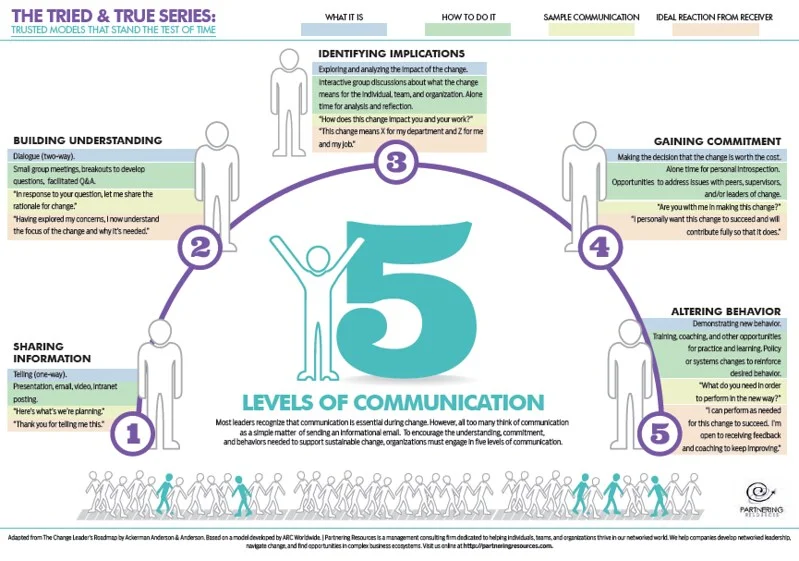
Ensure Common Understanding of Goals
Make sure everyone knows what's expected and what the goals are. Clear expectations cut down on confusion and help the team work toward common goals, as Staffbase notes.
- Have discussions: Allow team members to share their views and ask questions.
This not only clears things up but also makes everyone feel more invested in the team’s success. Regularly revisit expectations to keep everyone on the same page as things change.
Use Simple and Direct Language
Simplify Complex Messages
Complex language can muddy your message. Keeping things simple and direct, especially online, ensures everyone understands, according to the Center for Creative Leadership.
- Use clear, straightforward language: It’s not about dumbing down; it’s about being clear for everyone, no matter their background.
Prioritize Clarity in Communication
Be direct and to the point when communicating. Getting straight to the main message helps avoid misunderstandings, as the Center for Creative Leadership highlights.
- Start with the key point: Then add details if needed.
This keeps attention and ensures your message is understood.
Leverage Storytelling to Communicate Ideas
Make Ideas Memorable with Stories
Storytelling is a great way to communicate as a leader. Stories make ideas stick and help clarify goals. Share stories that explain key concepts or lessons learned. These can come from personal experiences or other sources.
- A good story can inspire: and make complex ideas easier to understand.
Use Stories to Clarify Vision and Build Trust
Stories can also clarify your vision and goals. By telling a story, you can paint a picture of the future you want for your team.
- Build trust: Encourage your team to share their stories too, creating a culture of openness and understanding.
Enhance Conversations with Active Listening
Focus Entirely on the Speaker
Active listening is vital for good communication. It means really focusing on what’s being said and responding thoughtfully, as Goodwin University points out.
- When talking with team members: Be present and attentive. Don’t interrupt or finish their sentences. Instead, show you understand their perspective, which shows respect and empathy.
Encourage Dialogue with Open-Ended Questions
Encourage dialogue by asking questions that invite more than a yes or no. Leaders should avoid interrupting and pay attention to nonverbal cues to better understand their team, as Situational Leadership notes.
- This approach not only improves understanding: but also creates a supportive environment where people feel valued.
Exhibit Open Body Language in Interactions
Convey Attentiveness Through Body Language
Your body language affects how your message is received. Using eye contact, nodding, and smiling shows you’re attentive and approachable, encouraging open communication, as Situational Leadership emphasizes.
- Be aware of your posture: Avoid crossing your arms, which can seem defensive.
Deliver Constructive Feedback Effectively
Provide Specific Feedback for Improvement
Feedback is crucial for growth. Give feedback that’s specific and encouraging, focusing on improvement, as the Peaceful Leaders Academy highlights.
- Frame it positively: Focus on how they can improve. This not only motivates but empowers team members to take actionable steps toward better performance.
Use Examples to Enhance Feedback Clarity
Make your feedback more effective with concrete examples. Using examples and clear suggestions helps clarify expectations, as Staffbase notes.
- Offer actionable suggestions for improvement: Encourage them to ask questions if needed. This supportive approach fosters a culture of continuous learning.
Promote Honesty and Transparency in Leadership
Build Trust with Open Information Sharing
Honesty and transparency build trust within your team. Openly sharing information fosters trust and transparency, as Situational Leadership emphasizes.
- This openness shows integrity: and builds credibility. Create an environment where team members feel safe to share their thoughts without fear.
Acknowledge Limitations and Encourage Dialogue
It’s important to acknowledge your own limitations as a leader. Doing so and being open to feedback shows humility, encouraging open communication.
- This humility strengthens relationships: and encourages collaboration.
Adjust Communication Style for Different Audiences
Tailor Messages to Audience Needs
Different audiences need different communication styles. Tailoring messages according to audience needs improves communication, as noted by Situational Leadership.
- Consider their expertise, background, and style: This ensures your message is understood as intended.
Monitor Engagement and Adapt Communication
During interactions, watch for signs of engagement or confusion. Adjusting your tone and delivery based on these cues shows your commitment to effective communication and ensures your message resonates.
Lead by Example in Communication Practices
Model Respect and Clarity in Communication
Your behavior sets the tone for your team’s communication. Show respect, openness, and clarity to set a positive example, as Staffbase highlights.
- Be a role model for effective communication: Showing your team the importance of these values.
Commit to Continuous Communication Improvement
Gather Feedback to Enhance Communication Skills
Continuous improvement is key to effective communication. Seeking feedback helps leaders identify areas for growth, as noted by Staffbase.
- Use this feedback to improve: Show your commitment to growth.
Engage in Ongoing Learning and Skill Development
Commit to ongoing learning and adjustment in your communication practices. Attend workshops, read relevant literature, and engage with peers to expand your skills.
- This commitment ensures you remain an effective communicator and leader.
Practical Applications and Case Studies of Effective Communication
Leadership Communication: Successes and Failures in Real-World Scenarios
In 1982, Johnson & Johnson navigated the Tylenol crisis with exemplary leadership communication. They swiftly ceased advertising and informed the public about safety concerns, which played a pivotal role in regaining public trust. This crisis management approach has since become a benchmark for handling similar situations ContactMonkey.

Conversely, organizations like Michigan State University and USA Gymnastics struggled with their crisis communications. Their failures underscore the importance of effective communication in maintaining a positive reputation Human Kinetics.
Overcoming Communication Pitfalls in Leadership
To avoid typical communication pitfalls, companies can leverage AI and automation to customize messages and ensure timely information dissemination. This approach prevents information overload and keeps audiences engaged Cerkl.

Utilizing a variety of communication methods, such as emails and video messages, ensures that employees receive the intended message. Additionally, user-friendly platforms that facilitate two-way communication and transparency are crucial for addressing issues effectively Pumble.
FAQ Section
Enhancing Leadership Communication Through Storytelling
Storytelling is a powerful tool for leaders because it brings ideas to life. By making messages more engaging and relatable, storytelling helps clarify visions, goals, or objectives. It enhances connection with the audience, grabbing attention and building trust.
- Memorability: Stories act as memorable reminders of key points, crucial when sharing a vision. People are more likely to remember a story than a dry mission statement.
- Authenticity: Sharing an authentic story can boost a leader's brand and influence.
For more insights, visit Center for Creative Leadership.
Key Components for Effective Leadership Communication
Effective leadership communication involves continuous information sharing in various formats to maintain clarity and openness. Here are some key components:
- Clear Expectations: Setting clear expectations and team norms guides behavior and establishes social rules.
- Simplicity: Keeping messages simple aids understanding, especially in digital communication.
- Audience Awareness: Tailoring messages to the audience's needs ensures they resonate and make sense.
- Active Listening: Engaging in active listening, utilizing body language, and minimizing distractions enhance communication efficacy.

Explore more at FranklinCovey.
Emotional Intelligence's Role in Leadership Communication
Emotional intelligence enables leaders to detect nonverbal cues and adjust their communication to maintain engagement and alignment. Key aspects include:
- Empathy: Demonstrating empathy by asking questions and seeking feedback builds trust and clarifies misunderstandings.
- Conflict Management: Addressing emotional barriers proactively can prevent conflicts.
- Authentic Interaction: Emotional intelligence fosters genuine interactions by reducing detachment.
Discover more strategies at BetterUp.