

Technology is moving fast, and voice tech is really making waves, especially in leadership. Think about leaders using just their voice to communicate, plan, and innovate smoothly. A study says the voice tech market might hit $31.82 billion by 2025. This isn’t just a passing fad; it’s a big shift. In this piece, we’ll look at how voice tech is changing leadership today. It’s making communication better and bringing in new levels of personalization and security. We’ll talk about how it’s used, the ethical stuff, and even the human side of it. Plus, we’ll peek into future trends that might change leadership as we know it. Let’s dive in and see how voice tech is more than just a tool—it’s shaking up leadership in a big way!
Summary: This article explores the significance of voice technology in leadership communication, highlighting its practical applications, security features, and future trends. It also addresses the psychological and ethical considerations associated with voice tech in leadership.
Understanding Voice Tech and Its Market Significance
What is Voice Technology?
Voice technology enables computers and gadgets to understand and respond to human speech, offering a seamless and hands-free interaction with devices. This technology leverages natural language processing (NLP) and machine learning to convert spoken words into actionable commands that machines can execute.
Key components of voice technology include:
- Voice Recognition: Identifies the speaker.
- Speech Recognition: Transforms spoken words into text.
The core elements involve speech recognition for converting spoken language into digital data and NLP for interpreting the meaning of those words. AI voice technology, enhanced by machine learning and speech synthesis, produces natural-sounding speech for applications such as virtual assistants, IVR systems, and audiobooks.
Specialized forms of voice technology, like ambient voice technology in healthcare, discreetly capture clinical conversations using machine learning and conversational AI. Examples include virtual assistants like Siri, Google Assistant, and Amazon Alexa, as well as healthcare systems that aid doctors by reducing their administrative tasks.
Voice Tech Market Growth and Emerging Trends
The voice recognition market is experiencing significant growth, becoming integral to both personal and professional environments. By 2034, the global Voice AI market is projected to soar from USD 3.14 billion in 2024 to USD 47.5 billion, with North America accounting for a 40.2% share.

The speech and voice recognition market, valued at USD 15.46 billion in 2024, is anticipated to reach USD 81.59 billion by 2032. This growth is driven by advancements in NLP, machine learning, and automated speech recognition. Industries such as banking, healthcare, and telecom are at the forefront of this expansion.
Moreover, 62% of American adults utilize voice assistants, underscoring their widespread adoption. The rise of ambient voice technology in healthcare and its expansion into customer service and warehousing further highlight its growing significance.
Enhancing Leadership Communication with Voice Tech
Voice Tech for Hands-Free Interaction and Multilingual Communication
AI voice technology has revolutionized how leaders communicate. By enabling them to share updates in their unique style without the need for travel or lengthy recordings, productivity is significantly enhanced. This allows for seamless multitasking and efficient time management.
For instance, AI voice assistants like Google Assistant and Amazon Alexa facilitate multilingual meetings with real-time translation. By breaking down language barriers, these tools enable global teams to collaborate more effectively. Leaders can converse with employees worldwide in their native languages, fostering a more personal connection.
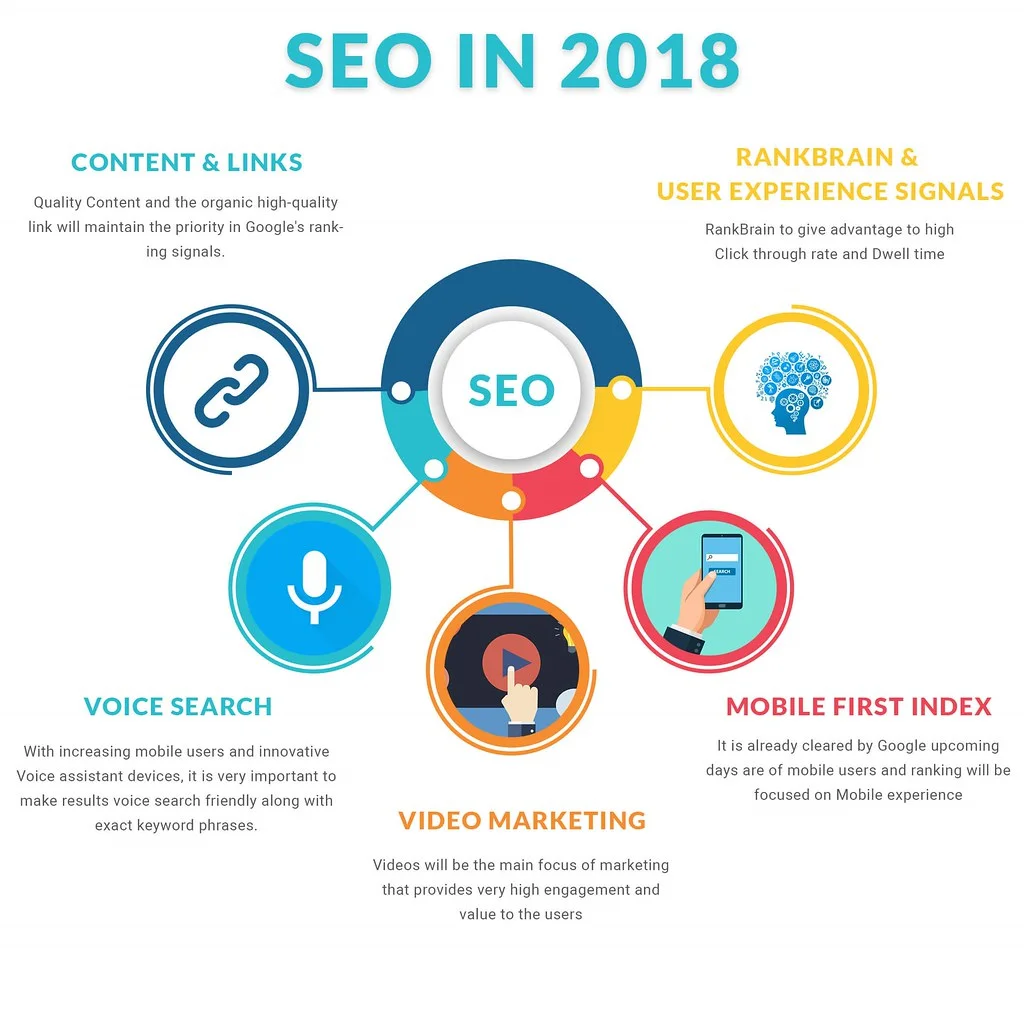
Moreover, voice technology excels in understanding speech despite accents or background noise, ensuring reliable communication in diverse environments. When integrated with existing tools, voice technology becomes an invaluable asset for daily leadership and operational tasks.
Enhancing Leadership with Personalized Voice Tech Communication
AI voice tools offer leaders the opportunity to enhance their communication by analyzing tone, pacing, and energy. This feedback enables them to refine their delivery, making it more authentic and engaging. The focus is on clarity, consistency, and responsiveness.
Leaders can leverage these tools to craft more effective messages while maintaining a personal touch. Regular and consistent messaging with AI tools builds trust by emphasizing core values and goals. Effective leadership communication involves listening and adapting messages to suit the audience, and AI plays a crucial role in this process.

For example, leaders can utilize AI transcription and analysis to receive feedback on their speech. This allows them to adjust tone and clarity for various audiences while preserving their distinctive voice. This personalized approach enhances understanding and strengthens team connections by valuing everyone's input.
Practical Applications of Voice Tech in Leadership
Enhancing Virtual Meetings with Voice Tech
Voice technology is revolutionizing virtual meetings and teamwork by enhancing communication efficiency. AI voice assistants streamline routine tasks, such as directing requests to appropriate departments, allowing leaders to concentrate on strategic decision-making.
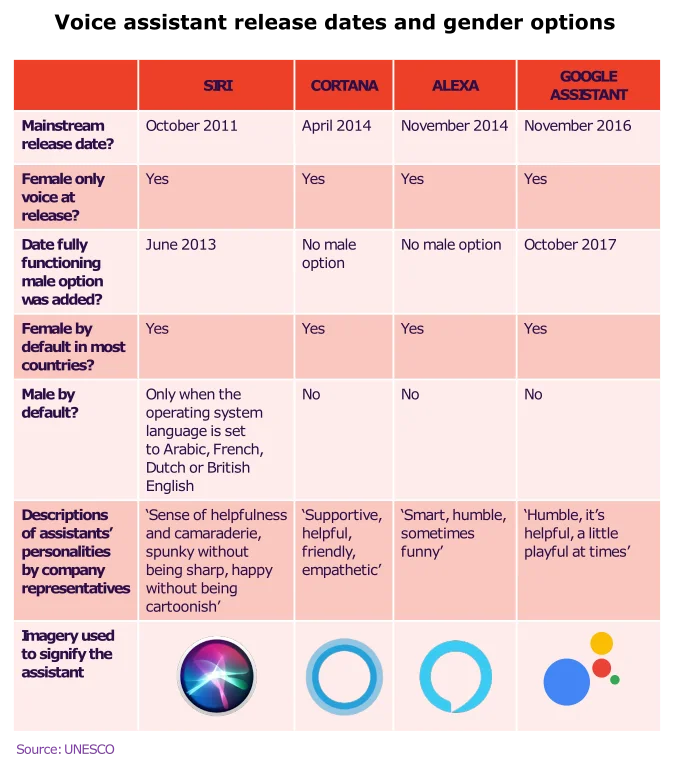
Tools like Dragon NaturallySpeaking enable leaders to dictate emails, documents, and notes swiftly and accurately, thereby boosting productivity in virtual environments. Moreover, advanced speech-to-text applications like Deepgram's Nova-3 provide precise transcriptions even in noisy environments and across various languages. This functionality is invaluable for leaders managing international teams, ensuring that language barriers do not hinder effective collaboration.
Boosting Employee Engagement with Voice Tech
Voice technology is transforming how organizations engage with employees and collect feedback. AI voice analysis can detect emotional cues and vocal patterns in real-time, offering leaders insights into employee engagement during meetings or feedback sessions.

Voice-activated tools facilitate the swift access and analysis of extensive datasets of employee feedback, transforming them into actionable insights. Additionally, generative AI plays a role in creating and refining content, such as feedback playbooks and training materials, enhancing employee engagement programs.
AI-driven voice technology also reduces wait times and efficiently directs queries, enabling internal adaptations to be more responsive to employee concerns. By leveraging these technologies, companies can foster a culture of open communication, ensuring employees feel heard and involved.
Security and Personalization in Voice Tech
🔒 Voice Biometrics for Secure Voice Tech
Voice biometrics leverage the unique characteristics of your voice, akin to fingerprints, to bolster security in sectors such as banking, healthcare, and customer service. This voice authentication system verifies identity without relying on passwords. However, it's not without vulnerabilities. Challenges like voice spoofing and impersonation arise when hackers employ deepfakes to bypass security measures.
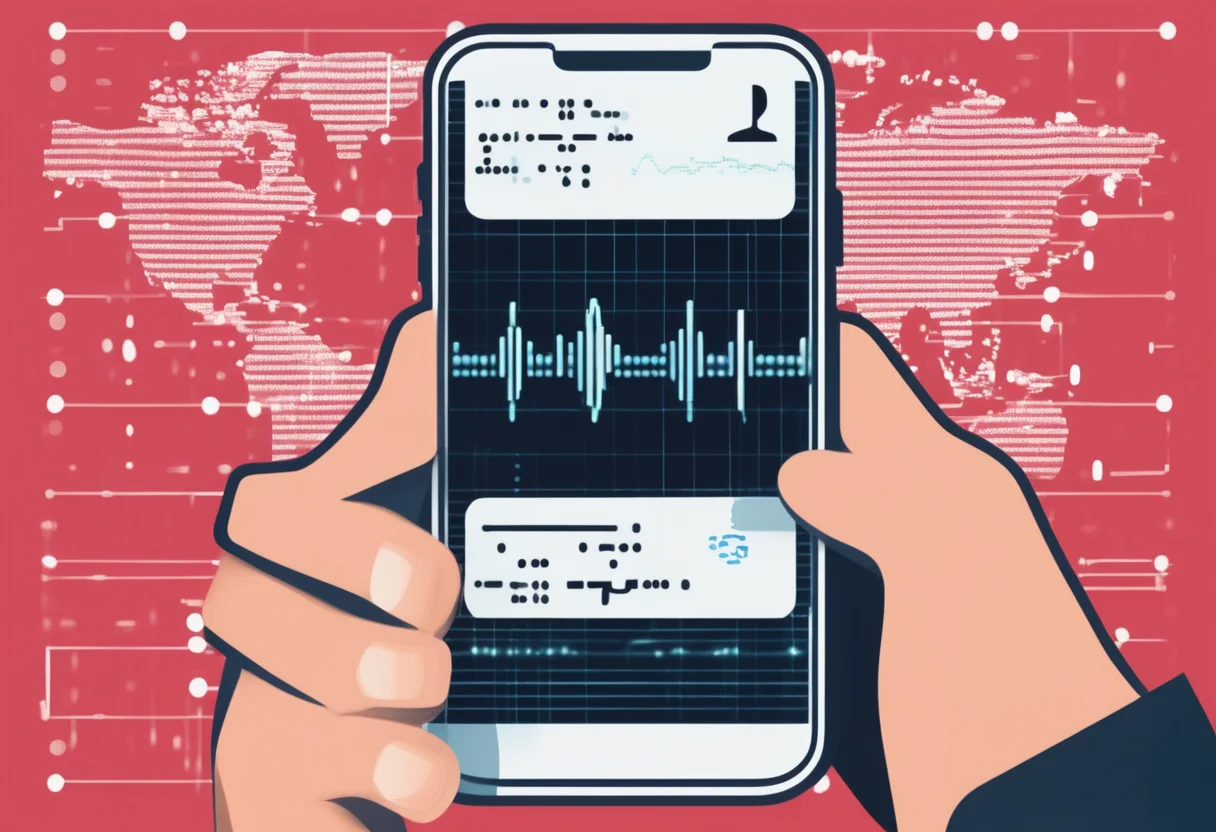
Key Security Strategies in Voice Tech
- Multi-factor Authentication: Essential for mitigating risks associated with voice biometrics.
- Deepfake Detection: Technology analyzes anomalies in tone and frequency to identify fraudulent audio.
- Real-time Monitoring: Detects unusual speech patterns during conversations.
- Voice Data Encryption: Ensures data protection both in transit and at rest.
Despite these measures, voice recognition systems can struggle in noisy environments, potentially creating security gaps.
🎯 AI Personalization in Voice Tech
Voice AI systems offer personalized experiences by analyzing speech patterns to tailor interactions according to individual preferences. For example, AI-driven voice technology adapts interactions to suit user preferences. However, maintaining privacy is crucial, necessitating local encryption and processing of voice data.

Privacy and Security in Voice Tech
- Compliance with Data Privacy Regulations: Adhering to GDPR and CCPA ensures transparency and safety.
- Risk Mitigation: Voice assistants, while convenient, pose risks like unauthorized access and eavesdropping. Implementing confirmation dialogs can help balance security with personalization.
Overall, AI-driven customization in voice technology enhances user satisfaction by delivering relevant and meaningful interactions.
Future Trends and Innovations in Voice Tech
Voice Tech Integration with IoT and Generative AI
Voice AI is becoming increasingly sophisticated by integrating voice, text, and visuals to enhance user experiences across various sectors such as automotive, healthcare, retail, and education. Consider the scenario of smart homes where voice assistants, driven by generative AI, can intuitively predict user needs. These assistants manage IoT devices like lighting, security, and climate control, providing feedback through voice and augmented reality interfaces.
Looking towards the future, by 2025 and beyond, voice assistants are expected to seamlessly integrate with emerging technologies like quantum computing and 6G networks. This integration promises faster responses and improved real-time data analysis.

The advancement of Speech-To-Speech (STS) models will enable voice interactions to become quicker, more context-aware, and emotionally intelligent, making voice AI interactions feel more natural and responsive. Generative AI is evolving voice assistants into proactive aides that anticipate user needs rather than merely executing commands.
Advanced Voice Tech Analytics for Decision-Making
Voice AI agents are assuming more complex roles, such as managing FAQs, processing orders, and automating customer service. This evolution is transforming how businesses make decisions and operate with greater efficiency. Advanced voice analytics can detect emotional cues and identify speakers, thereby enhancing the quality of customer interactions and providing valuable business insights.

The combination of voice search and AI leads to more intelligent and accurate voice recognition systems, which boosts consumer engagement and enables data-driven marketing strategies. With the use of voice assistants projected to reach 168.2 million users in the US by 2029, the abundance of data will significantly influence how brands and retailers refine their voice strategies. For example, a retail company might leverage advanced voice analytics to assess customer sentiment and preferences during voice interactions, allowing them to fine-tune product recommendations and make informed inventory decisions in real-time.
Human and Psychological Aspects of Voice Tech in Leadership
Enhancing Employee Communication with Voice Tech
Voice technology is revolutionizing the way leaders facilitate employee communication. By automating mundane tasks, employees can concentrate on meaningful work and express themselves more freely. AI voice assistants enable seamless multilingual interactions, allowing everyone to contribute their ideas.

With AI expediting communication, employees receive prompt responses and have a clearer channel to express concerns or suggestions. Leaders can leverage voice technology to swiftly access data and respond to feedback, fostering a more transparent culture.
For example, a large corporation utilized AI voice assistants to direct employee inquiries directly to HR or management, accelerating response times and enhancing participation in feedback sessions. Learn more
Understanding Emotions in Leadership through Voice Tech
AI voice tools are adept at detecting emotions in speech, aiding leaders in better understanding and responding to employee sentiments. Real-time voice analysis can identify stress or dissatisfaction, enhancing empathy and trust within teams.
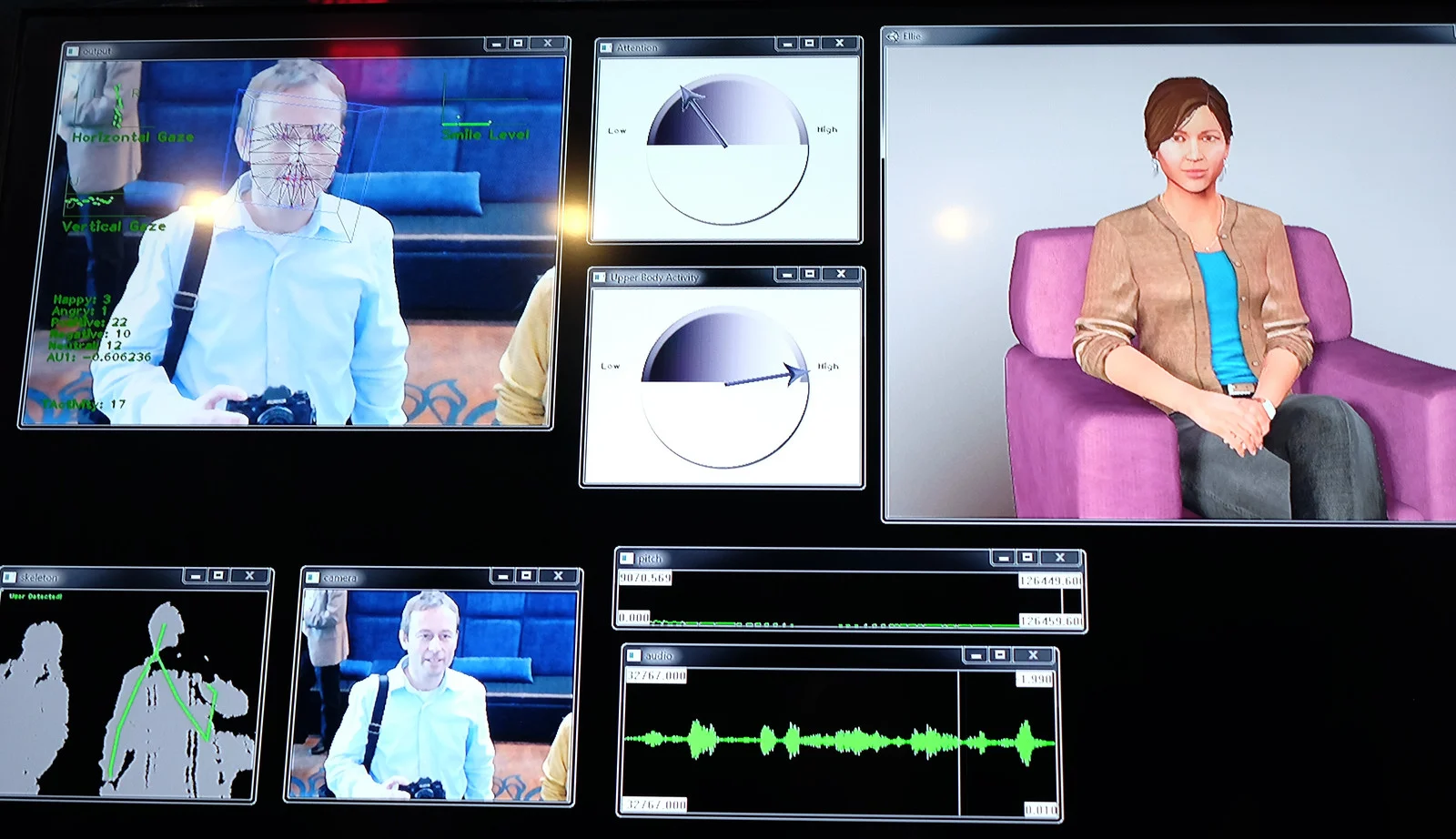
Voice recognition and natural language processing (NLP) facilitate more genuine and relaxed conversations, making leaders appear more approachable. AI-driven voice tools diminish hierarchical barriers, bringing leadership closer to the team.
For instance, a leader employing AI to assess tone and sentiment during meetings can address issues with greater compassion, thereby boosting team morale. Discover more
Ethical Considerations and Challenges in Voice Tech
Privacy and Data Security in Voice Tech
Voice technology relies on sensitive voice data, often considered biometric, which raises significant privacy and security issues. Protecting this data is crucial to prevent identity theft or unauthorized surveillance. Speech recognition systems may inadvertently capture private conversations, posing a risk if accessed without consent.
To mitigate these risks, implementing measures such as encryption, data minimization, anonymization, and providing users with control over their data is essential. Unauthorized voice cloning can result in deepfake scams or fraudulent messages, violating privacy rights. Legal frameworks often struggle to keep pace with technological advancements, creating gaps in enforcing ownership and consent over vocal likenesses.

Developers must be transparent about data collection and usage practices to maintain trust and adhere to ethical standards. Ethical AI involves balancing innovation with privacy protection, establishing strict access controls, and educating users about their data rights. For instance, in a 2019 incident, a tech company reviewed user recordings without permission, underscoring the need for stringent data controls.
Ethical Use of Voice Analytics in Voice Tech
Utilizing voice analytics ethically requires obtaining informed consent, ensuring that voice owners are aware of how their data will be used and any associated risks. Voice cloning poses the risk of misuse for impersonation or creating manipulative content, necessitating safeguards to prevent harm.
Bias in voice analytics is a concern, as non-diverse datasets can exclude users with varying accents. Transparency and accountability in AI voice technology are vital, demanding clear communication about usage and adherence to ethical guidelines. These guidelines should ensure data security, prevent misuse, and respect privacy rights.

Organizations must balance technological capabilities with ethical responsibilities, establishing clear policies on consent and transparency. In customer service, voice cloning technology should only be used with explicit user consent to avoid issues like unauthorized replication or biased service delivery.
FAQ Section
How Can AI Voice Assistants Enhance Global Leadership with Voice Tech?
AI voice assistants are revolutionizing the way global leaders operate by enabling hands-free access to information and tasks. This allows leaders to manage multiple responsibilities without being tethered to their devices. Thanks to Natural Language Processing (NLP), these assistants understand context and nuances, facilitating smooth and natural communication—an essential trait for global leaders.
Moreover, AI voice assistants are intelligent enough to learn from interactions, adapting to various accents and languages to meet diverse communication needs worldwide. Voice biometrics add an extra layer of security by authenticating users through unique voice traits, ensuring leadership communications remain secure.
Imagine a global CEO utilizing an AI voice assistant to receive real-time updates, dictate emails, and securely verify identity on international calls—all without missing a beat. Learn more about voice technology.
Key Benefits of Voice Tech in Virtual Meetings
Voice technology enhances virtual meetings by allowing participants to multitask hands-free. This means attendees can look up information or take notes without disrupting the meeting flow. With voice recognition and speech-to-text AI, spoken words are instantly converted into written text, improving meeting notes and accessibility.
Natural Language Processing (NLP) enables meeting tools to comprehend spoken content, introducing features like voice commands and smart summaries. It also enhances inclusivity for participants with disabilities.

Envision a virtual team meeting where voice-to-text AI transcribes the conversation in real-time, and voice commands empower the host to manage slides and note action items effortlessly. Explore more about the advantages of voice technology.
How Voice Biometrics Secure Remote Communications with Voice Tech
Voice biometrics enhance the security of remote communications by verifying identity through unique voice patterns, reducing reliance on traditional passwords or tokens that can be lost or stolen. Despite its security benefits, voice biometrics are not without vulnerabilities. Risks such as spoofing attacks, where an intruder mimics a user's voice, are concerns. Additionally, data breaches involving voice data could lead to the misuse of sensitive information, necessitating robust security measures.
Consider a remote executive accessing confidential company data through a voice biometric system that authenticates their identity before granting access, preventing unauthorized entry even if passwords are compromised. Read more about voice biometrics.