

Voice technology is changing how leaders communicate. It’s not just a trend; it’s becoming essential. Picture leaders connecting with their teams, making quick decisions, and encouraging teamwork—all by using voice. A recent study shows that more than 55% of businesses are already using voice tech, and that number is growing. So, what does this mean for leadership? How can voice tech change how leaders communicate and inspire? In this article, we'll explore voice technology in leadership, looking at how it fits into communication strategies, its practical uses, and what the future might hold. Whether you're an experienced leader or just starting out, understanding this technology could boost your efficiency and engagement. Let's take a closer look at the potential of voice technology in leadership communication.
Summary: Dieser Artikel beschreibt die Integration und Anwendung von Sprachtechnologie in der Führungskommunikation sowie zukünftige Trends und Innovationen in diesem Bereich. Es werden praktische Anwendungsfälle und die Mischung aus menschlicher und KI-Kommunikation behandelt.
Understanding Voice Technology in Leadership
What is Voice Technology?
Voice technology encompasses a range of tools, including voice assistants and speech recognition systems. These technologies enable hands-free operations, understand context, support multiple languages, integrate with other applications, and employ voice biometrics for enhanced security. The primary goal is to facilitate seamless interactions between humans and devices.
Consider speech recognition: it converts spoken words into text, significantly enhancing transcription accuracy and accessibility in sectors such as law, medicine, and media. Beyond transcription, voice recognition offers diverse applications:
- Healthcare: Virtual assistants aid in patient management.
- Automotive: Hands-free systems enhance driving safety.
- Legal: Voice ID ensures secure access.
- Entertainment: Personalized gaming experiences.

A digital voice assistant can schedule meetings, provide task reminders, and control smart home devices using natural language. It also recognizes individual voices for secure and personalized interactions. For more detailed insights, explore voice assistants.
Why Voice Technology Matters in Leadership Communication
Voice technology is transformative for leadership communication. It enables leaders to manage tasks such as scheduling, note-taking, and information retrieval without manual input, allowing them to concentrate on strategic priorities. Its contextual understanding ensures conversations progress smoothly without repetitive clarifications.
In customer-focused industries, AI voice technology quickly identifies customer needs and directs them appropriately, reducing wait times and enhancing satisfaction. In high-stakes or dynamic environments, it allows leaders and teams to access and document critical information hands-free, improving responsiveness and decision-making capabilities.

A leader equipped with voice technology can efficiently schedule meetings, access real-time reports, and communicate with their team seamlessly, enhancing overall effectiveness. For further exploration, visit SpeakNow.ai.
Integrating Voice Technology into Leadership Communication
Identifying Leadership Communication Needs
Before diving into voice tech for leadership, it's crucial to figure out what the leadership team really needs. This means spotting where communication is falling short and where voice tech can make a real difference. Good leadership communication builds trust, promotes teamwork, and keeps everyone on track with the organization's goals.
AI tools can improve leaders' speaking skills by about 40% in just a few months, helping with confidence, clarity, and emotional smarts. Honest and empathetic communication is key to rebuilding trust, which is often shaky for many CEOs, and this can boost employee engagement and stability. For instance, leaders can use AI coaching tools to fine-tune their tone and messaging, helping them connect better with their teams.

Selecting Optimal Voice AI Solutions for Leadership
Picking the right voice AI tools means looking closely at what's out there and how it fits with what leaders want to achieve. Advanced voice AI offers features like:
- Voice commands
- Understanding context
- Supporting multiple languages
- Integration with other services
It also includes personalization and voice biometrics for security. High speech recognition accuracy in voice tech makes communication smoother by allowing hands-free tasks and easy info sharing, which boosts productivity and teamwork.
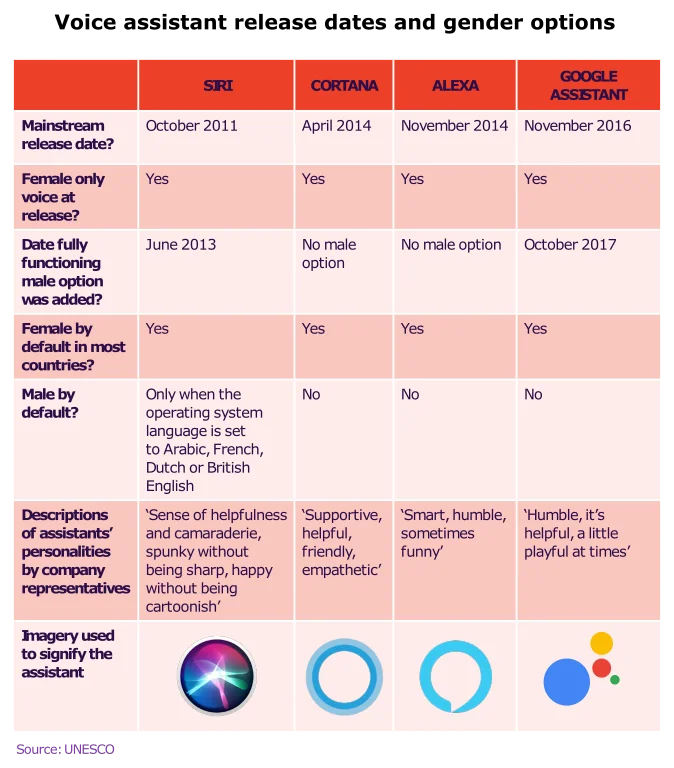
Tools like IBM Watson Tone Analyzer and Carmen Simon’s AI speaking coach help leaders catch emotional cues and tweak their delivery for maximum impact. When choosing a solution, think about how well it fits with current systems and whether it offers real-time feedback on tone and engagement.
Training Leaders for Effective Voice Technology Use
Once you've got the right voice tech in place, training is key to getting the most out of it. AI leadership coaching gives real-time feedback by analyzing audience reactions, like tiny facial expressions and voice tones, during talks, letting leaders adjust on the fly.
Training should focus on honing skills to listen, respond, and adapt communication styles to meet team needs, fostering meaningful engagement. Continuous listening and using AI-powered sentiment analysis can improve leadership communication by spotting emerging issues and personalizing feedback. Workshops where leaders practice using AI tools and get feedback on tone and clarity can boost their ability to connect with diverse teams.
Voice tech is changing leadership communication by enabling hands-free, multilingual, and real-time interactions that enhance inclusivity and collaboration across global teams. For example, companies have cut inspection times by 50% and production costs by 33% using speech AI. This tech also supports remote work by making multitasking easier and improving virtual meeting accessibility with live captions and voice commands.
Successful implementation needs buy-in from all levels, clear goals, and task forces to ensure everyone gets on board.
Practical Applications and Use Cases
Enhancing Real-Time Communication with Voice Technology
Voice technology has significantly transformed the way we communicate in real-time. By enabling hands-free interactions, it simplifies daily tasks and minimizes distractions. With voice recognition, you can send messages, make calls, and accomplish tasks just by speaking. This innovation reduces the risk of texting while driving by over 30% source.

In-car voice assistants further enhance this experience. They allow you to answer calls, reply to texts, and control your car's entertainment system without lifting a finger, thereby increasing safety and convenience on the road source.
In the healthcare sector, ambient voice technology captures and transcribes conversations between doctors and patients in real-time, allowing doctors to focus more on patients rather than paperwork source.
Boosting Team Collaboration and Productivity with Voice Technology
Voice technology plays a crucial role in enhancing team collaboration and productivity. By integrating voice recognition into virtual assistants and applications, users can set reminders, search for information, and complete tasks through spoken commands. This approach is projected to enhance productivity by 64% by 2024 source.

In healthcare, AI-driven voice medical scribes document patient visits, reducing paperwork and enabling doctors to attend to more patients source. In business environments, voice tools automate routine tasks such as customer service and pre-sales, streamlining operations and enhancing user engagement source.
Resolving Conflicts and Building Trust with Voice Biometrics
Voice technology is instrumental in resolving conflicts and building trust, particularly through voice biometrics. This technology verifies identity based on voice, enhancing security in financial transactions and private communications by eliminating the need for passwords source.
It also proves useful in legal and forensic contexts, assisting in speaker verification during investigations and court proceedings, thereby improving accuracy and trust in legal matters source. Companies like HSBC utilize voice recognition for secure account access, fostering customer trust by replacing passwords with hard-to-copy voiceprints source.
In summary, voice technology is ubiquitous—from facilitating smoother real-time communication with hands-free options, enhancing collaboration and productivity through task automation, to resolving conflicts and building trust with secure voice biometrics and legal voice identification systems.
The Human-AI Communication Blend
Preserving Human Elements in Voice Technology
Voice-to-voice AI technology has revolutionized our interactions by transforming spoken words into different voices instantly. This is achieved through a combination of speech recognition, machine translation, and speech synthesis, making conversations feel more natural and human-like.
These AI systems analyze speech patterns, emotions, and context in real-time, allowing for interactions that seem genuine and maintain a human touch. Advanced AI voice technology employs large language models (LLMs) to ensure conversations flow smoothly, enhancing the meaningfulness of human-AI interactions.
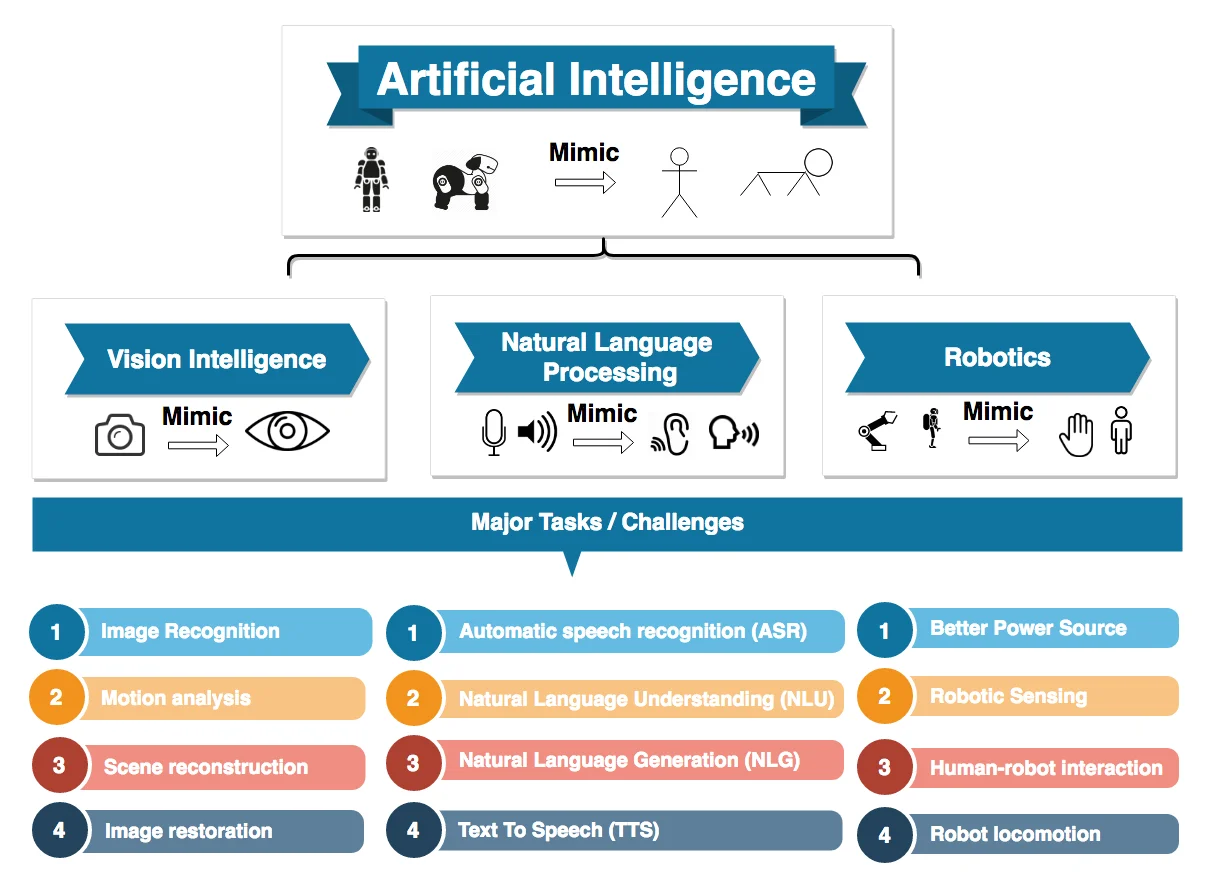
Unlike rigid scripts, these systems adapt dynamically, creating dialogues that resemble real human conversations. Furthermore, new AI models simulate the human vocal tract to generate and comprehend sounds as humans do, adding a layer of natural expressiveness.
Building Empathy and Trust with Voice Technology
AI voice technology enhances empathy by detecting tone, sentiment, and intent during conversations, enabling it to respond in alignment with the user's emotions. Leveraging machine learning, these systems improve in personalization and accuracy over time, fostering trust through consistent and relevant interactions.
Multilingual AI voice capabilities allow users to receive responses in their preferred language, breaking down communication barriers and enhancing trust in global communications. AI-generated voice clones can replicate real human voices with minimal input, facilitating interactions that feel brand-consistent and familiar, thereby building trust and comfort.

When AI is integrated with VoIP technology, it creates intelligent communication systems that adapt in real-time, making them more responsive and reliable—essential components in establishing trust.
Future Trends and Innovations in Voice Technology
Voice Technology Enhancements in Remote and Hybrid Work
Voice AI is becoming an essential partner in remote and hybrid work settings. It's evolving to understand our habits, context, and emotions, making interactions more empathetic. Here are some key advancements:
- Emotional Intelligence: Some systems can now detect emotions, enhancing conversational empathy.
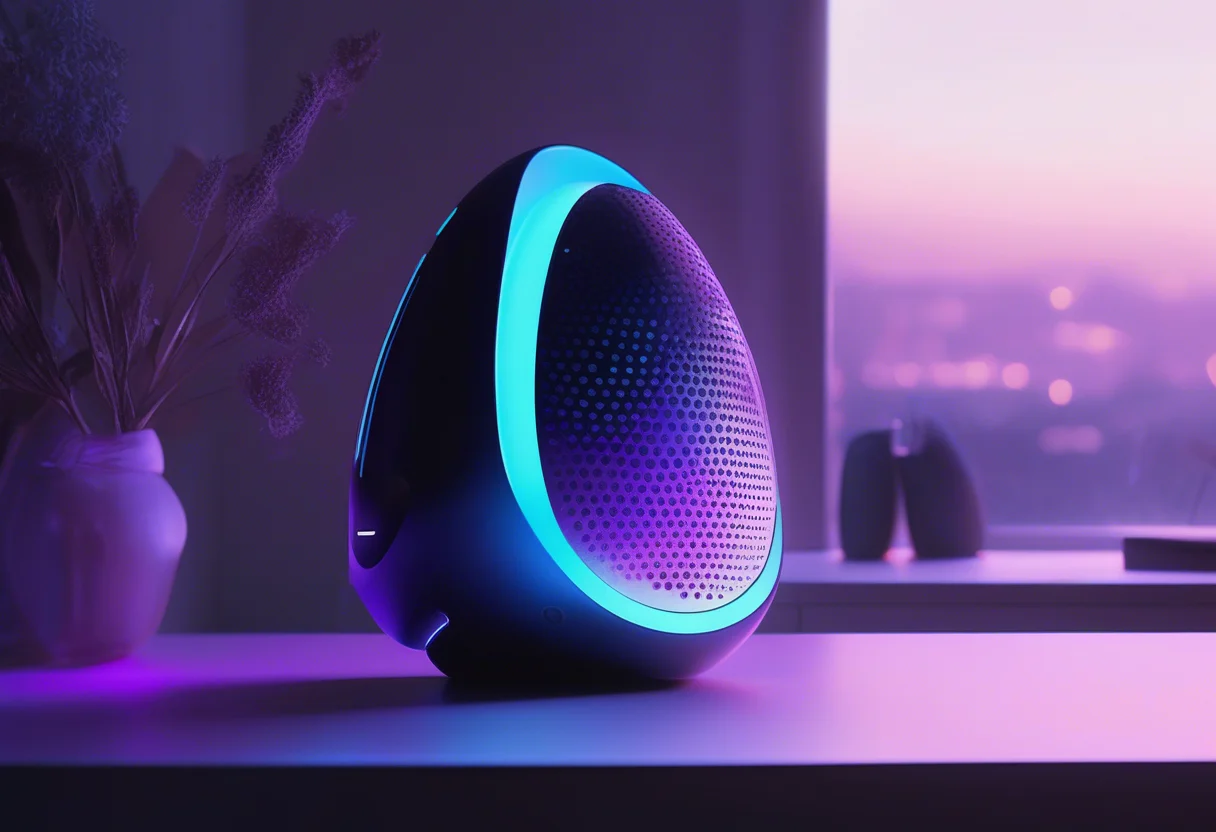
- Device Continuity: Seamlessly switch between devices without losing the conversational thread, ideal for flexible work setups.
- Task Automation: By learning from your actions, voice AI can automate repetitive tasks, increasing productivity.
- Privacy Assurance: Utilizing edge computing, voice technology processes data on your device, safeguarding privacy.
Imagine working from home and encountering frustration with a task. Your voice assistant might detect this and offer assistance, transitioning the conversation from your smartwatch to your smart speaker—all while maintaining your data privacy.
Future Predictions for Voice Technology
Looking ahead, voice technology is poised for significant advancements with tools like GPT-4, enhancing the natural and human-like quality of conversations. Future developments include:
- Seamless Device Transition: Begin a conversation on one device and continue on another effortlessly.
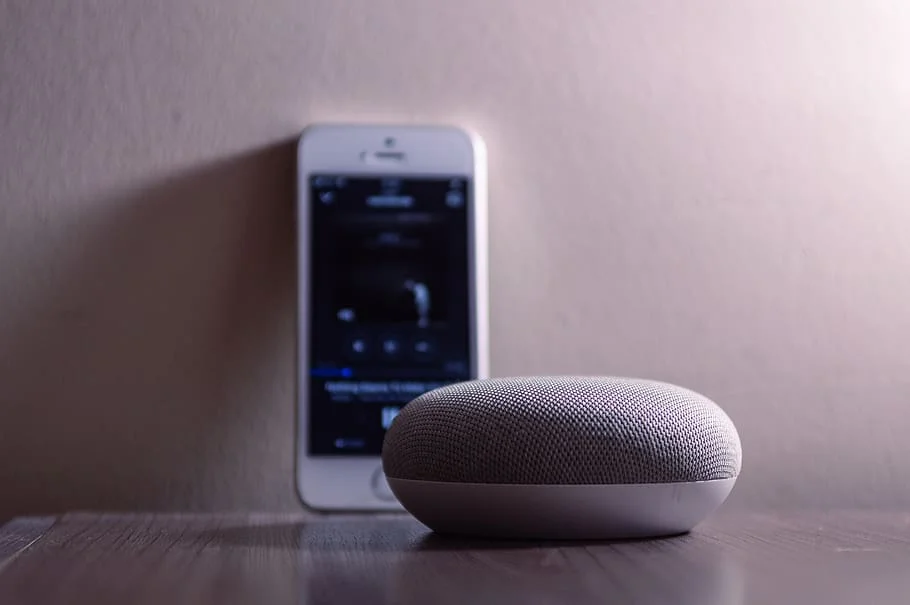
- Contextual Awareness: Voice AI will adapt to your environment, considering noise levels and mood, and adjust responses accordingly.
- Proactive Assistance: Anticipate needs and autonomously manage routine tasks without prompts.
- Integration with Emerging Tech: As it connects with augmented reality, quantum computing, and 6G networks, interactions will be faster and more immersive.
Security will be robust, featuring voice biometrics and multi-factor authentication, with privacy and data protection as foundational elements. By 2026, expect your voice assistant to:
- Schedule meetings
- Modify its communication style based on your emotions
- Securely manage requests
All while seamlessly integrating with AR devices and 6G networks.
Frequently Asked Questions About Voice Technology in Leadership
How Does Voice Technology Enhance Real-Time Leadership Communication?
Voice technology significantly enhances real-time communication for leaders by enabling hands-free interaction using natural language. This allows leaders to convey messages swiftly without the need for screens or keyboards, ensuring a smooth flow of conversation. With the help of Natural Language Processing (NLP), these systems can understand spoken language, making interactions seamless.
AI assistants like Alexa or Google Assistant continuously learn from each interaction, adapting to various accents and communication styles for more personalized and efficient exchanges. This capability is particularly beneficial for leaders who multitask and require the ability to communicate while engaged in other activities, thereby enhancing productivity.
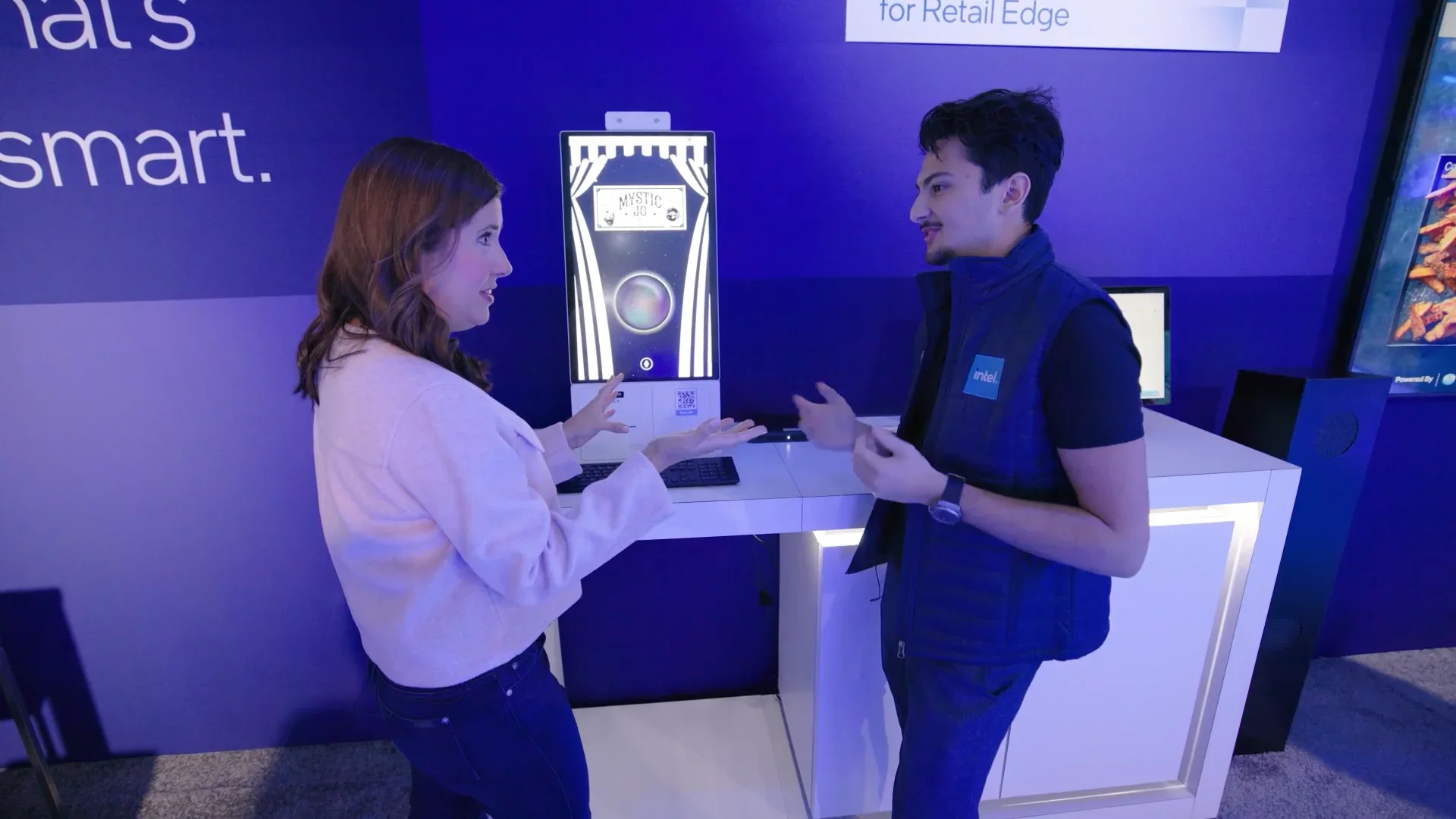
Imagine a CEO utilizing an AI assistant during a meeting to retrieve data or schedule follow-ups without disrupting the ongoing conversation.
Key Benefits of AI Voice Assistants in Leadership Communication
AI voice assistants offer numerous advantages for leadership communication:
- Hands-Free Operation: Leaders can manage tasks without interrupting their workflow, which is especially advantageous for those with disabilities or when on the move.
- Personalized Responses: Assistants tailor their responses based on user preferences and past interactions, accommodating different leadership styles.
- Enhanced Security: Voice biometrics verify users through unique voice traits, ensuring secure communications.
- Increased Efficiency: By quickly retrieving information and handling routine tasks, AI assistants expedite interactions and decision-making, crucial for leadership efficiency.

A leader might use an AI assistant to obtain reports, send directives, or schedule appointments seamlessly, maintaining focus on more significant discussions.
How Voice Technology Boosts Team Collaboration and Productivity
Voice technology enhances team collaboration and productivity by facilitating hands-free communication, allowing team members to exchange information without interrupting their work. Speech recognition and transcription services convert spoken words into text, enabling accurate meeting notes and easy sharing.
Voice assistants and chatbots efficiently manage routine questions and tasks, reducing wait times and allowing team members to concentrate on more critical work. This technology also ensures accessibility for team members with disabilities, promoting inclusive communication and collaboration. Real-time voice interaction with AI assists teams in swiftly resolving issues, sharing updates, and making decisions, thereby boosting productivity and minimizing delays.
In virtual meetings, voice-to-text transcription captures discussions clearly, while voice assistants facilitate instant task assignments and information retrieval, streamlining collaboration.