
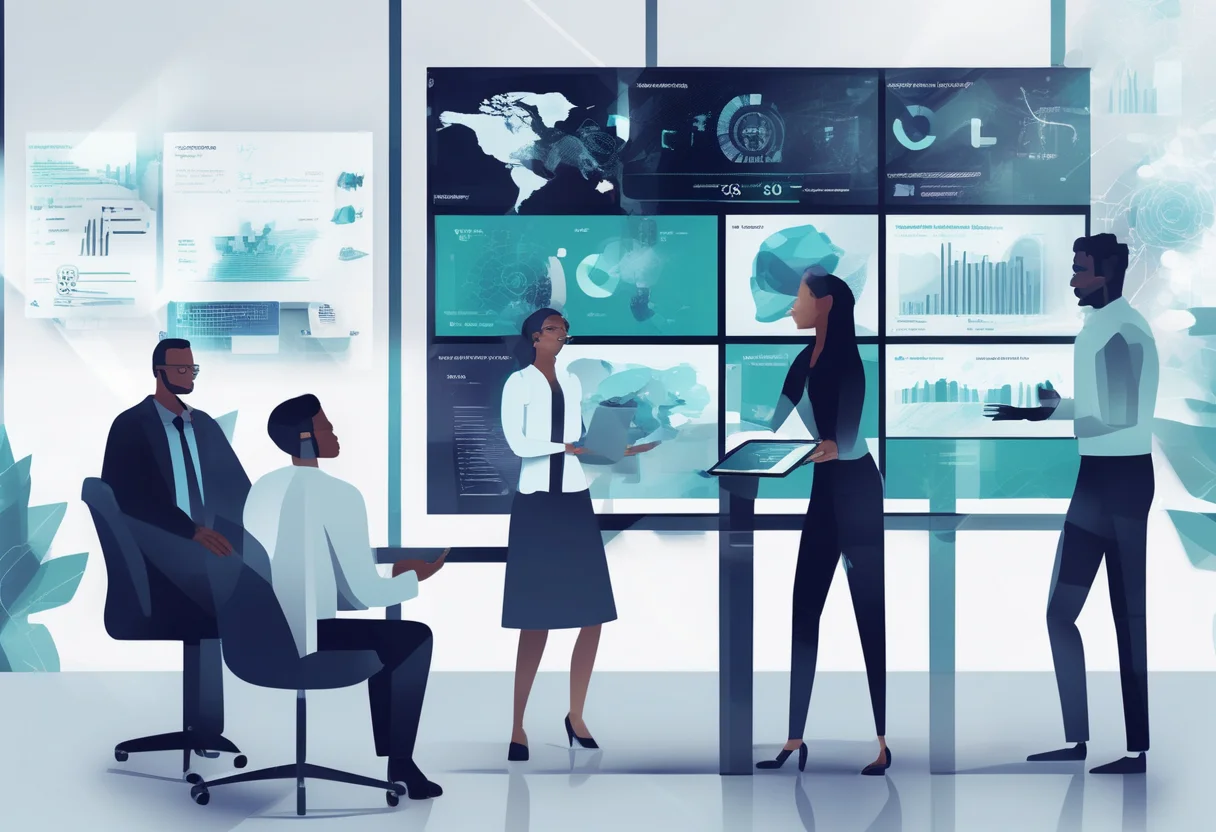
In our fast-changing work world, AI is shaking things up everywhere. But guess what? It's not just about tech skills anymore. Soft skills are becoming a big deal too. In fact, 92% of executives say soft skills matter just as much, if not more, than technical ones. That number really shows how important it is to work on skills like communication, empathy, and adaptability. As AI keeps changing how we work, it's not just about staying on top of tech. It's about seeing how these changes affect our teamwork, leadership, and innovation. In this article, we'll explore how AI and soft skills come together. We'll check out some research, point out key soft skills for this AI era, and see what this all means for businesses. Plus, we'll see how Deepbrain AI is leading the way in developing these skills and how these skills have evolved with AI milestones. Whether you're a leader wanting to prepare your team for the future or someone looking to succeed in an AI-driven workplace, you'll find useful insights and practical tips here.
Summary: This article explores the integration of AI in developing soft skills, highlighting key skills necessary in the AI era and practical implications for organizations, while examining Deepbrain AI's role in this evolution. It also includes a timeline of soft skills evolution alongside AI milestones and an FAQ section.
AI's Influence on Soft Skill Development
AI's Role in Shaping Job Skills
AI is transforming the workplace, particularly in the realm of job skills. As AI automates routine tasks, the spotlight shifts to skills such as:
- Problem-solving
- Teamwork
- Communication
- Emotional intelligence
- Adaptability
These skills are crucial for navigating complex social situations and fostering continuous learning—areas where AI still lags. Basic soft skills, including communication and critical thinking, form the foundation of more advanced capabilities and may even surpass technical skills in importance during the AI era.
Social skills are particularly valuable in environments with cross-functional projects and remote teams, aiding in alignment and knowledge sharing. Companies like Amazon are investing in upskilling, underscoring the critical role of soft skills in career advancement as AI becomes more prevalent.
Importance of Soft Skills in the AI Era
Soft skills are vital as they complement AI's technical prowess with the creativity, empathy, human judgment, and critical thinking necessary for innovation and strategic decision-making. Effective communication, conflict management, and teamwork are essential to integrating AI into workplaces without disrupting human interactions.
Emotional intelligence is pivotal for leadership, as it addresses ethical challenges and decision-making processes involving AI, such as bias and data protection, ensuring responsible AI usage.
Traits like adaptability, curiosity, resilience, and the ability to manage uncertainty empower individuals to thrive in rapidly evolving tech and AI-driven markets.
Future leaders will require soft skills such as:
- Strategic vision
- Empathy
- Engagement
- Change management
These skills are essential to inspire and support teams in AI-driven environments. Research indicates that most young professionals prioritize communication, empathy, and leadership over AI-specific skills for long-term success. A Deloitte survey revealed that over 85% of young professionals consider these soft skills crucial for enduring career success.
Organizations are increasingly emphasizing soft skills training to maximize AI's benefits and support employee success amid changing work landscapes. Employers are creating roles that leverage both human and AI strengths and fostering cultures that promote soft skills development.
Key Soft Skills for Soft Skill Development in the AI Era
Enhancing Communication and Emotional Intelligence
In the AI era, effective communication is essential. It's not just about speaking; it's about explaining AI concepts in a manner that non-technical individuals can understand. This clarity prevents misunderstandings, aligns teams, and enhances customer satisfaction.
Equally important is emotional intelligence (EQ). EQ involves managing your own emotions and empathizing with others, which enhances teamwork and relationships in AI-driven workplaces. A key component of EQ is empathy, which fosters trust and understanding—qualities that AI cannot replicate. Managers with high EQ can effectively resolve conflicts, motivate their teams, and build trust, making it an indispensable leadership skill as AI takes over routine tasks.
Platforms like EQ-i 2.0 and Six Seconds offer resources to enhance your EQ, equipping you to better manage emotions and cultivate stronger relationships.
Building Adaptability and Critical Thinking Skills
Adaptability is vital in the face of AI's transformative impact on work environments. It enables you to pivot and integrate new technologies seamlessly. Platforms such as Coursera and Udacity provide courses to keep you updated on technological advancements, ensuring you can adapt when necessary.
Critical thinking is crucial for evaluating AI outputs, identifying biases, questioning assumptions, and ensuring ethical decision-making. While AI excels at data processing, it lacks the ability to think critically. Human critical thinking is necessary to interpret complex information and make informed decisions. By collaborating, humans and machines can develop innovative solutions and tailor AI tools to meet organizational needs.
Tools like MindMeister and Lucidchart facilitate idea mapping and organization, promoting structured thinking and creativity. These skills are essential for problem-solving and generating new solutions in an AI-driven landscape.
Practical Implications for Organizations
Effective Strategies for Soft Skill Development
Building soft skills in a company can be a bit like juggling, but online training programs make it easier. These programs fit into different work schedules, allowing employees to learn without disrupting their daily tasks.
- Custom training sessions, workshops, and innovative learning methods help employees become more resilient and ready to tackle new business challenges.
- When you tie soft skills training to personal growth and career goals, it boosts job performance and sets employees up for promotions.
- Mentorship programs are also key in helping employees learn new skills, making the workforce more flexible.
For instance, one company used an online platform to help employees across various departments improve their communication and leadership skills at their own pace. This led to better teamwork and problem-solving.
AI-Driven Soft Skill Development Case Studies
AI is changing the game in soft skills training by making it more personalized, which keeps people engaged and helps them retain what they've learned. These AI platforms adjust the content to fit each person's learning style, enhancing the training's effectiveness.
- They track how employees are progressing with their soft skills, allowing for specific improvements in emotional intelligence, communication, and adaptability.
- By integrating AI into employee development, companies can spot skill gaps early and suggest personalized learning paths.
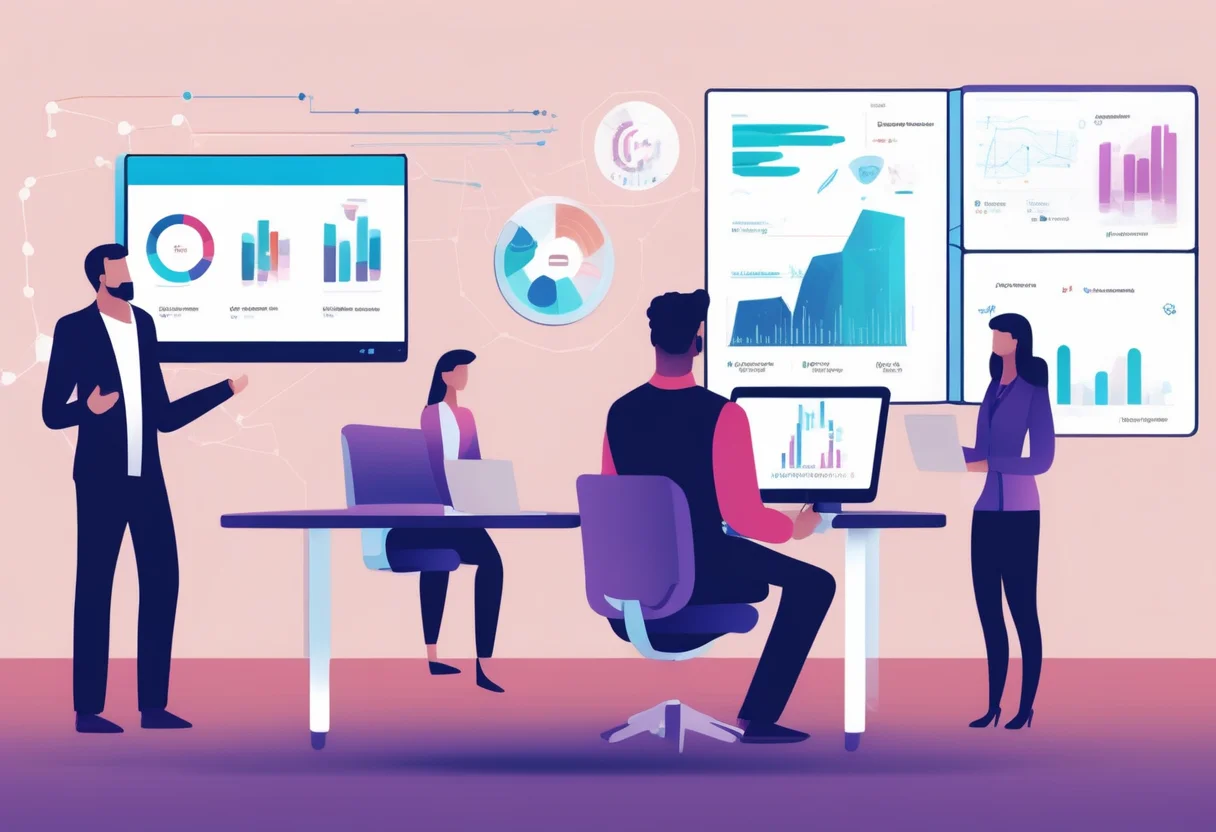
One company that used an AI-powered learning system saw happier employees and reduced turnover. The system monitored their soft skills growth and offered tailored modules and instant feedback.
Investing in soft skills development offers significant benefits for companies:
- Better employee performance
- Increased adaptability
- Improved retention
- Long-term success
Using flexible, tech-based training strategies like online and AI-driven programs equips businesses with the interpersonal and problem-solving skills needed to handle complex, evolving work environments. A British Council survey found that 35% of companies prioritize soft skills over technical training, and 83% value both equally, underscoring the growing importance of soft skills in business development.
The Role of DeepBrain AI in Soft Skill Development
DeepBrain AI Studios: Revolutionizing Soft Skill Training
DeepBrain AI is pioneering a new era in AI-powered video creation. Their technology enables the production of videos featuring lifelike avatars that mimic human speech and movements. These avatars possess natural-sounding voices and can synchronize their lip movements with speech, making them ideal for applications such as training sessions, lectures, or customer education. Explore more at DeepBrain AI Studios, where you can craft AI avatars capable of conversing naturally in over 150 languages. The platform integrates seamlessly with existing AI systems, including advanced language models like ChatGPT, providing a versatile tool for a wide range of applications.
Moreover, DeepBrain AI's video generator transforms documents—such as PDFs, PowerPoints, blogs, and articles—into captivating videos. This innovation simplifies video production, reduces costs, and enhances the delivery of educational content.
Enhancing Soft Skills with AI Studios
Building Effective Communication Skills
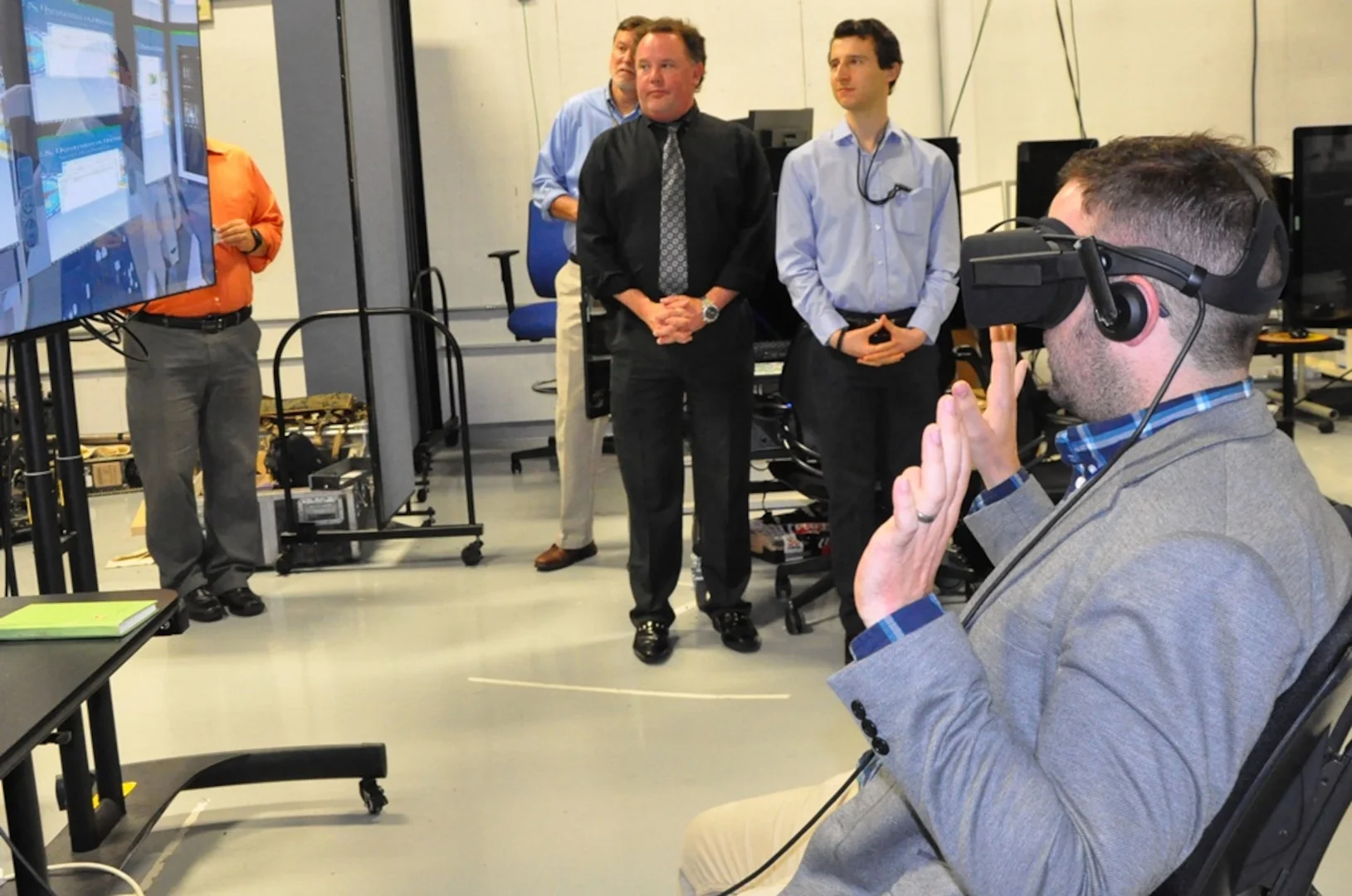
AI Studios is instrumental in developing communication skills through role-playing simulations. Users can engage with AI avatars that provide immediate feedback on aspects such as speech tone, eye movement, and hesitancy.
Leadership and Teamwork Development
The platform excels in cultivating leadership and teamwork abilities. It offers immersive team-based scenarios that replicate real workplace challenges. Users can experiment with various management styles and learn effective teamwork facilitation.

Mastering Conflict Resolution Skills
AI Studios provides scenarios for honing conflict resolution skills. Users can practice managing disputes, enhancing their ability to identify issues, negotiate solutions, and maintain professional relationships. The AI offers valuable feedback, deepening the understanding of conflict dynamics.
By incorporating AI Studios into soft skill development programs, organizations can cultivate a proficient workforce equipped for today's collaborative environments.
Soft Skills Evolution Timeline with AI Milestones
Soft Skill Development Over Time
Soft skills have come a long way, especially with technology and AI in the mix. Back in 1918, the Carnegie Foundation found that about 85% of workplace success relied on soft skills—a fact that still holds true.
Early learning tech, like the Lumière brothers' Cinématographe in 1895 and Sidney Pressey's teaching machine in 1924, was all about hard skills. However, once personal computers emerged in the 1940s and the internet in 1974, technology began to intertwine with people skills.
By the 1990s, "soft skills" became a buzzword. This shift mirrored changes in job markets and the decline of U.S. manufacturing since the 1950s. With AI advancements like generative AI and tools like ChatGPT, skills such as creativity, resilience, and adaptability became more crucial. Employers expect that by 2030, 39% of core skills will shift, highlighting the need for soft skills alongside tech know-how.

Impact of AI on Workplace Soft Skills
Even with automation and AI booming, soft skills remain essential. In the U.S., over 70% of professional development focuses on hard skills, yet soft skills like emotional intelligence and leadership are vital for managing teams and keeping them motivated. The Future of Jobs Report 2025 points out that analytical thinking, resilience, flexibility, leadership, and social influence are top skills employers want.
Different industries are adopting tech skills at varying rates. For example, Agriculture isn't picking up AI skills as quickly, but it's seeing faster growth in resilience and flexibility. This shift moves away from routine tasks toward complex problem-solving and people skills. The OECD stresses the need to prepare students with a mix of knowledge, skills, attitudes, and values for a world that's always changing and more connected than ever.
FAQ Section
Effective Soft Skill Development for Employees
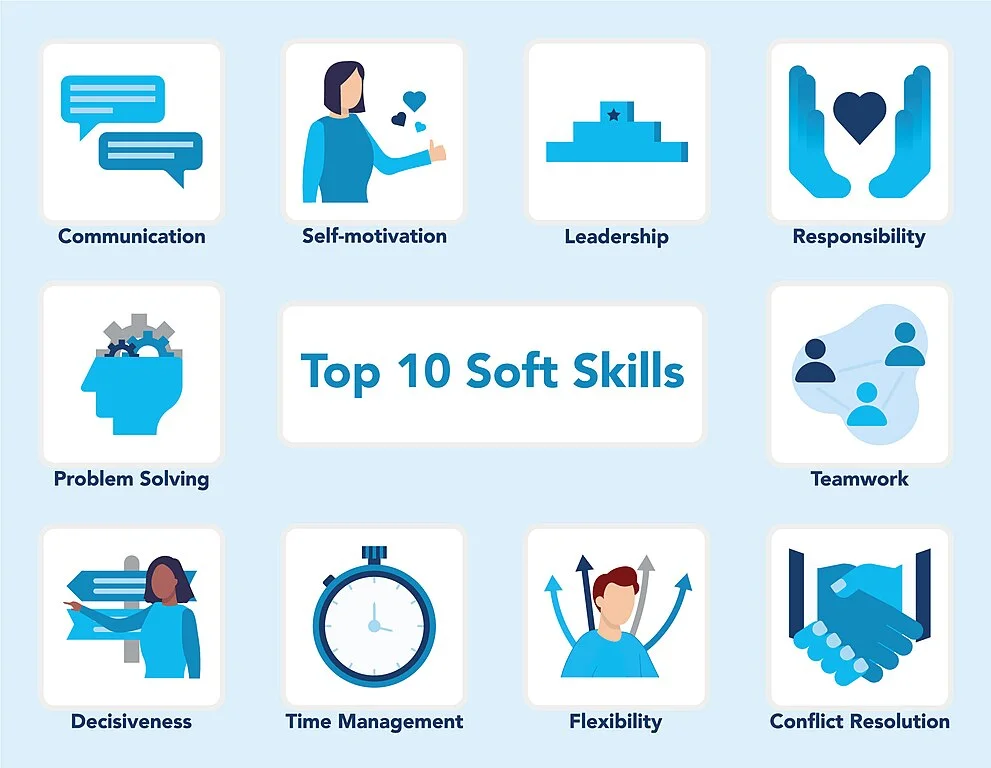
To boost their teams, organizations should invest in structured soft skills training. These programs cover key areas like communication, teamwork, time management, leadership, and problem-solving. Activities such as role-playing, team-building exercises, and feedback sessions can significantly aid in learning and retention. Additionally, utilizing AI tools for personalized coaching provides instant feedback on communication style, tone, and body language, making the training both scalable and tailored source.
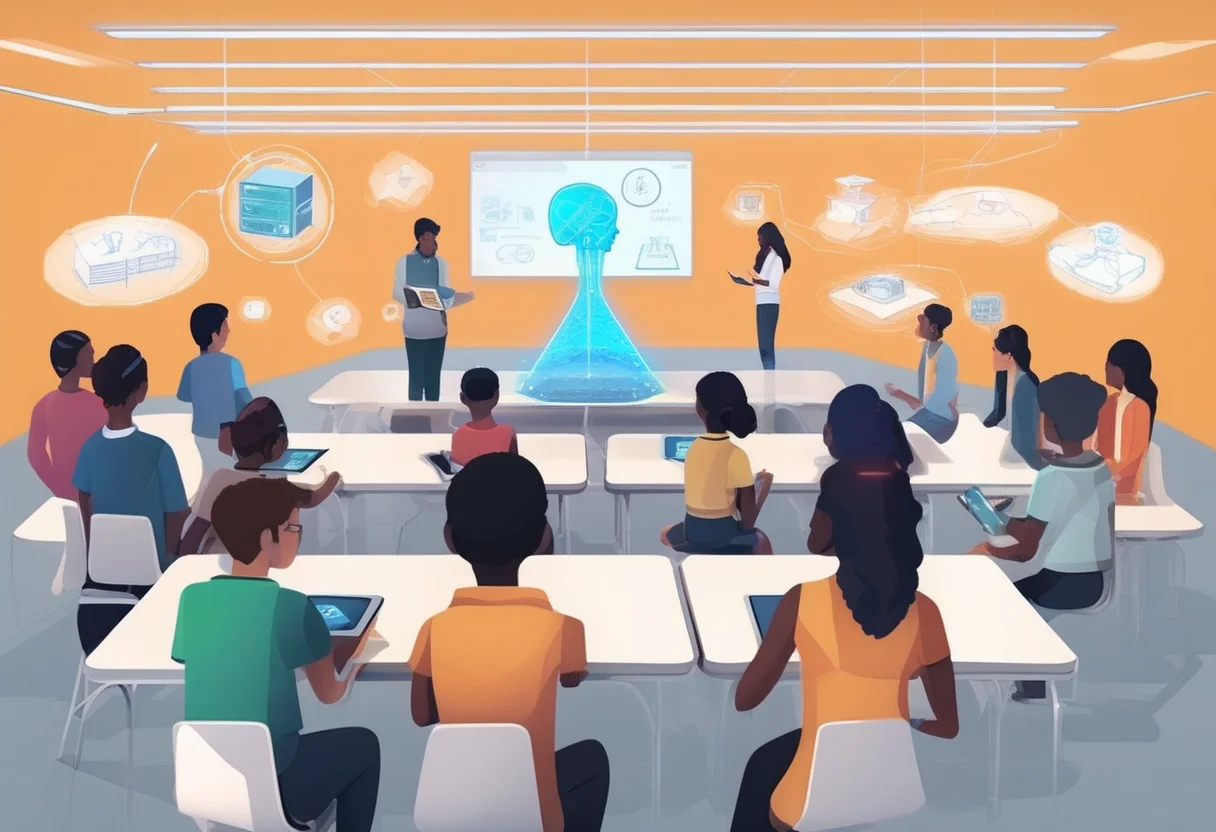
The benefits of these programs are substantial. They lead to improved employee retention, better customer service, and enhanced sales techniques through skills like empathy, active listening, negotiation, and problem-solving source. Consistent effort and practice are crucial for developing soft skills, and feedback from colleagues, supervisors, or mentors helps pinpoint areas for growth source.
HR leaders play a vital role in this process. They identify individuals who can excel in diverse teams and foster a positive work culture by keeping soft skills development current source. A successful example is a company that emphasized communication, empathy, and problem-solving, which led to higher employee satisfaction, better customer interactions, and increased sales.
Top Soft Skills for AI-Driven Workplaces
In an AI-driven workplace, soft skills like communication, emotional intelligence, adaptability, problem-solving, teamwork, leadership, and relationship-building are more important than ever. These skills help navigate the complexities AI brings to the work environment source. Employers now value resilience and comfort with ambiguity alongside traditional soft skills to handle the uncertainties of AI-driven settings source.
Emotional intelligence is crucial for leadership and teamwork, as it aids individuals in managing their emotions and influencing others in complex social settings source. Additionally, flexibility and creative problem-solving are essential for adapting to new situations and tackling unexpected challenges from AI integration source.
Complementing AI with Soft Skills in the Workplace
Soft skills are essential for complementing AI in the workplace. While AI handles technical tasks and data, soft skills ensure smooth operations by promoting communication, teamwork, and adaptability source. These skills enable employees to interact, collaborate, and solve problems in ways AI cannot, such as showing empathy, managing relationships, and leading source.
Moreover, soft skills help build a strong workplace culture and human connections, which are vital for successfully utilizing AI technologies source. Employees with high emotional intelligence and communication skills are better equipped to handle the social complexities and uncertainties AI systems bring source. This blend of AI and soft skills creates a dynamic and resilient workforce ready to thrive in an AI-integrated world.