
In our fast-moving digital world, how we communicate is changing quickly. AI is leading this shift. By 2025, the global AI market might hit $190 billion. This shows how important AI has become in improving communication in many fields. It helps automate customer service and tailor marketing messages, changing how businesses talk to their audiences. In this article, we'll walk you through how to use these new technologies, look at how they're used in different industries, and discuss the challenges they bring. Whether you're into tech or leading a business, knowing about these changes is key to staying current. Let's explore how AI can boost your communication strategies!
Step-by-Step Guide to Implementing AI-Powered Solutions in Communication
Conduct a Communication Audit
Before diving into AI-powered communication, it's crucial to conduct a communication audit. This involves evaluating how your organization currently manages communication.
Start with an AI Readiness Check
Examine your data maturity, tech setup, skills, and governance. This assessment is foundational to integrating AI effectively.
Identify Communication Workflow Bottlenecks
Review your current workflows to identify where processes stall or where AI could be beneficial. Perhaps your data quality is lacking, or your platforms are outdated. Recognizing these gaps can highlight where AI can offer significant improvements.
Learn more about AI implementation roadmap.
Select AI Communication Tools
Once you've pinpointed areas for improvement, it's time to choose AI tools that align with your needs.
Align AI Tools with Communication Goals
Select tools that align with your objectives, such as enhancing response times or fostering teamwork. Ensure they integrate seamlessly with your existing systems to maintain smooth operations. For example, an AI chatbot compatible with your current systems can simplify processes.
Explore agentic AI implementation guide.
Define Key Performance Indicators (KPIs)
Setting KPIs is essential for evaluating the effectiveness of your AI tools.
Choose Measurable AI KPIs
These indicators should reflect both business impact and user satisfaction. Consider tracking metrics like email response times or employee satisfaction with the new tools. This data-driven approach aids in making informed decisions.

Read more about KPIs in AI implementation.
Form an AI Implementation Team
A dedicated team is vital for managing the AI rollout.
Build a Diverse AI Team
Include data scientists, IT specialists, and project managers to cover all bases. Leadership involvement ensures AI aligns with your strategic objectives. A team comprising IT, HR, and executives can effectively drive AI initiatives.

Discover practical next steps for AI implementation.
Integrate AI Tools with Existing Systems
To maximize AI benefits, integrate it with your current systems.
Implement APIs for AI Integration
Ensure your tech infrastructure can support AI tasks. For instance, connecting an AI assistant to your email and chat systems can enhance communication.
Learn about AI system integration.
Pilot Testing
Before full-scale deployment, conduct pilot testing with a small group.
Collect Feedback and Optimize AI Tools
Testing allows you to assess tool functionality and gather feedback. Use these insights to address any issues before a broader rollout. For instance, trial a chatbot with your customer service team first.

Explore AI pilot testing strategies.
Develop AI Training Programs
Training is crucial for effective AI tool utilization.
Provide Comprehensive AI Training
Offer workshops and online tutorials to ensure everyone understands how to use the AI tools optimally. Proper training empowers your team to leverage AI effectively.

Read more about AI training programs.
Create User Documentation and Support Resources
Ensure clear guidance and support are available for AI tool usage.
Develop AI Help Resources
Create FAQs and support materials for common queries, making them easily accessible on your intranet. An online manual and support email can facilitate a smoother transition.
Explore user documentation best practices.
Monitor User Feedback and Adjust AI Tools
Post-deployment, continuously monitor user feedback to refine the tools.
Conduct AI User Surveys
User feedback helps in tweaking and improving AI tools to keep them effective and aligned with organizational needs.

Learn about user feedback monitoring.
Full AI Deployment
After testing and training, proceed with organization-wide AI tool deployment.
Ensure Continuous AI Support
Implement support structures and policies to maintain smooth operations. Launching across all departments with continuous support maximizes benefits.
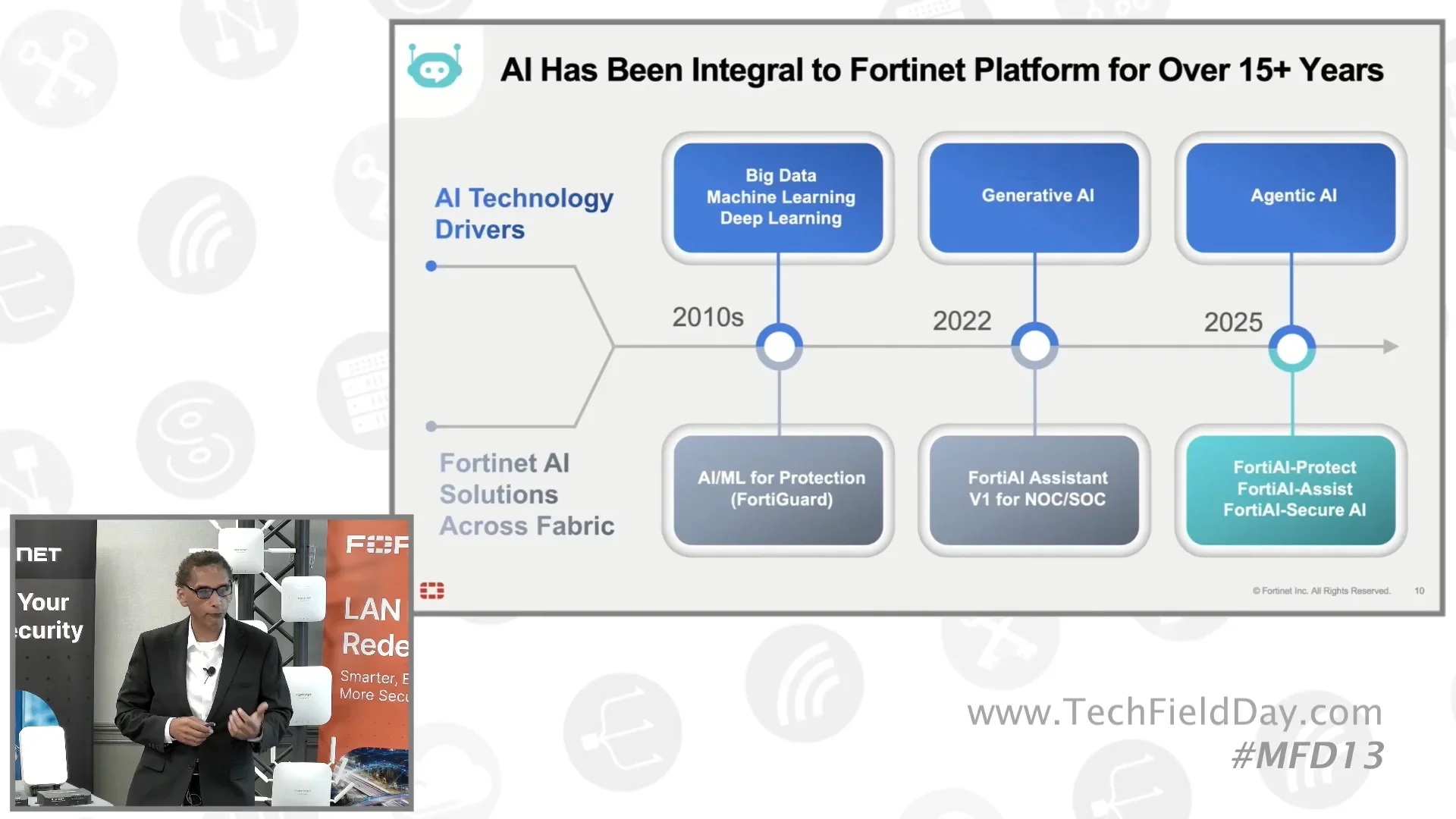
Discover AI deployment strategies.
Continuous KPI Monitoring and Evaluation
Regularly monitor KPIs to assess AI tool impact on goals and user experience.
Generate AI Performance Reports
Use data insights to identify areas for improvement and optimization.
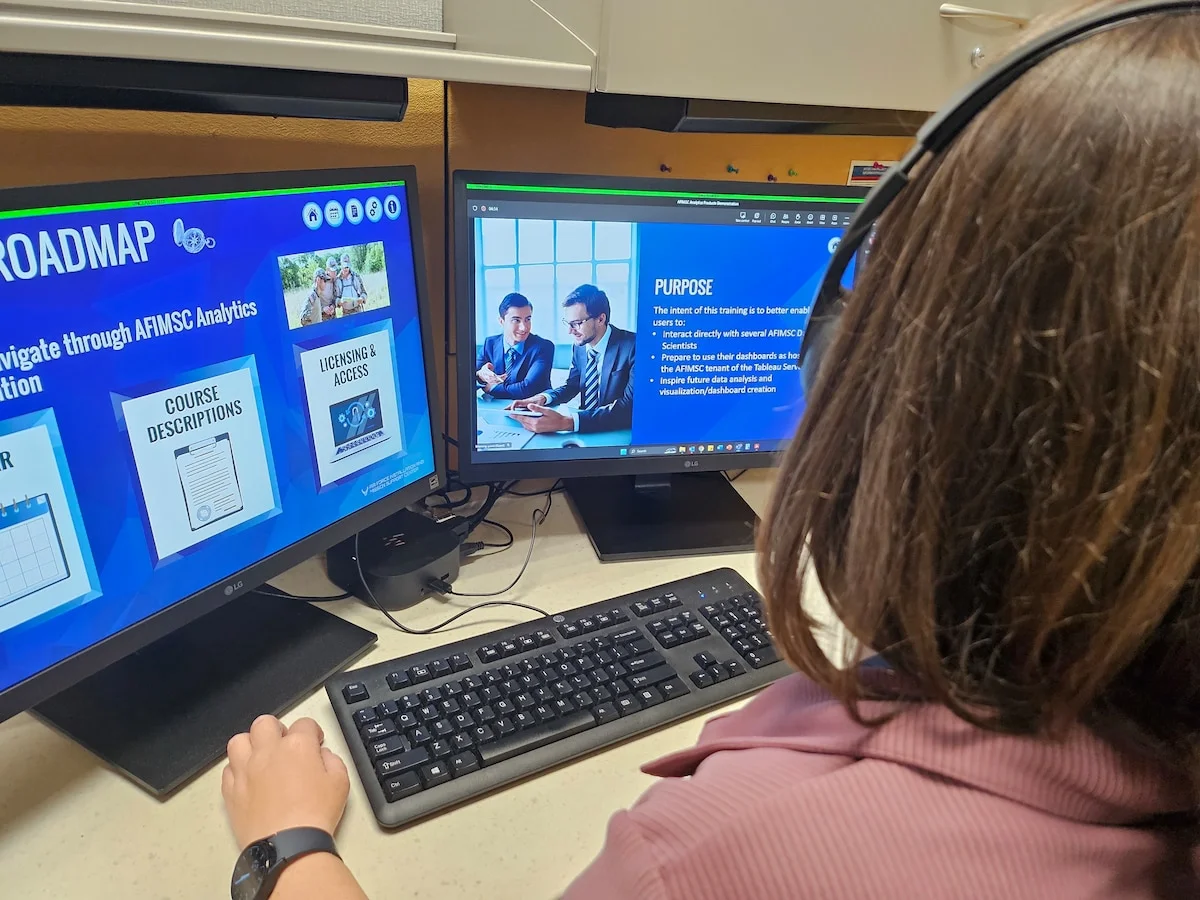
Explore continuous KPI monitoring techniques.
Refine AI Implementation Based on Lessons Learned
Use feedback and data to continually update your AI tools.
Promote AI Learning and Improvement
Adjust tools like chatbots based on user feedback to maintain relevance and effectiveness.

Read more about refining AI implementation.
Understanding AI-Powered Communication Tools
AI tools enhance communication by automating tasks and analyzing data.
Boost AI Personalization and Efficiency
Understanding AI capabilities allows strategic utilization for improved communication.

Learn about AI in communication.
Step-by-Step: Implementing AI for Customer Service Enhancement
To leverage AI in customer service, start by identifying common inquiries AI can manage.
Integrate AI with CRM Systems for Service
Use chatbots for quick responses and integrate AI with CRM systems for enhanced insights. Monitor customer feedback to refine AI models.
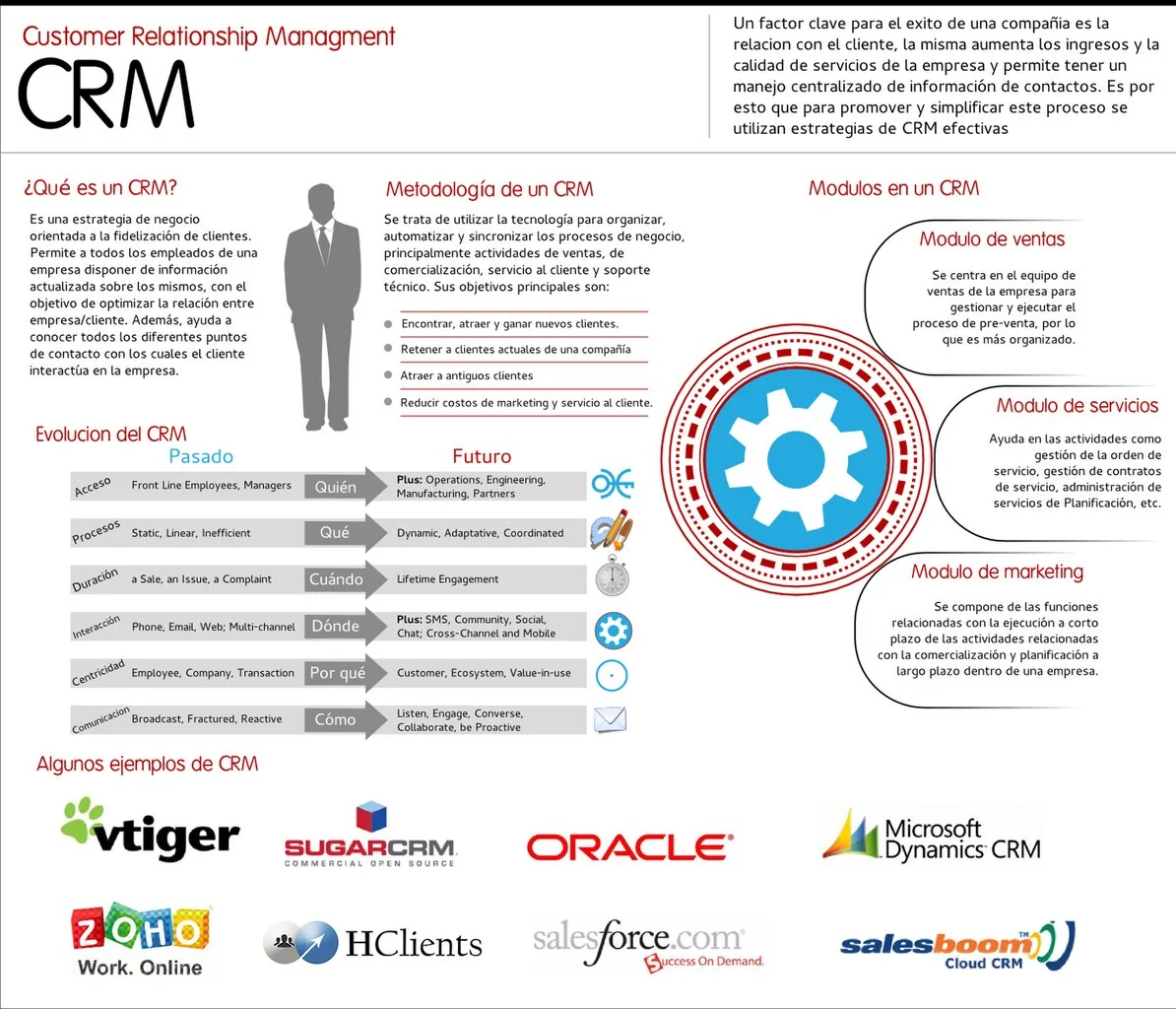
Discover AI in customer service.
Step-by-Step: Personalizing Communication with AI
To personalize communication, analyze customer data to understand preferences.
Use AI for Effective Audience Segmentation
Segment audiences and tailor messages using AI. Recommendation engines can suggest products or content based on interests. Continuously evaluate and adjust based on feedback.

Read more about personalized communication with AI.
Step-by-Step: Enhancing Real-Time Collaboration with AI
Integrate AI into collaborative tools to boost real-time collaboration.
Automate Collaborative Tasks with AI
AI can automate scheduling, transcribing, and offer language translation for multilingual teams. Monitor AI's impact on teamwork and productivity.
Explore AI for real-time collaboration.
Step-by-Step: Using AI for Predictive Communication Strategies
Use AI to analyze past data and predict communication trends.
Optimize Communication Timing and Channels with AI
Predictive analytics helps in proactive communication. Refine models with new data to improve accuracy.

Learn about predictive communication with AI.
AI-Powered Communication Solutions in Various Industries
AI Solutions Enhancing Retail Communication
Retailers are increasingly leveraging AI communication tools to enhance customer interactions and deliver exceptional service. Key applications include:
- AI Chatbots and Virtual Assistants: Available 24/7, these tools provide personalized advice and instant support, which can increase sales and foster customer loyalty.
- Predictive Analytics: By anticipating customer needs, retailers can optimize inventory management.
- Emotion-Aware AI Tools: These tools detect customer emotions during interactions, enabling more empathetic responses and stronger connections.

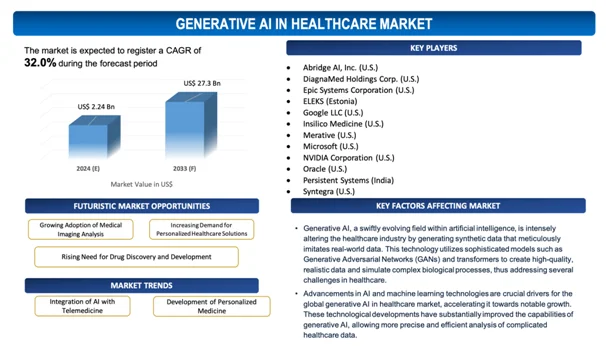
Transforming Healthcare with AI Communication
AI systems are transforming healthcare by streamlining telemedicine and enhancing patient care:
- Real-Time Chats: Facilitate seamless communication between patients and providers, improving care accessibility.
- Data-Driven Treatment: AI analyzes patient data to customize treatments, improving patient engagement and outcomes.
- Voice AI and Multilingual Tools: Cater to diverse patient needs and streamline clinical workflows.
- AI Virtual Assistants: Manage inquiries, schedule appointments, and send medication reminders, boosting efficiency and care delivery.
Revolutionizing Education Through AI-Powered Communication
AI platforms are revolutionizing education by tailoring learning experiences and supporting collaboration:
- Personalized Learning: Analyze student interactions to adjust content, enhancing both hybrid and remote learning.
- Real-Time Collaboration: Facilitate seamless interaction between students and teachers.
- Sentiment Analysis and Emotion-Aware AI: Monitor student engagement and mental health through communication patterns, allowing timely interventions to enhance learning outcomes.
- AI Chatbots: Handle administrative tasks efficiently, streamlining school operations.
Overcoming Challenges in AI-Powered Communication Solutions
Integration Challenges in AI Solutions
Integrating AI into existing systems can present a variety of challenges:
- Data Availability: Often, data is either scattered across platforms or insufficient, making it difficult to train AI models effectively and trust their results.
- Compatibility Issues: Legacy systems may not be compatible with AI technologies, necessitating investment in new infrastructure to ensure seamless integration.
- Skill Gaps: If your team lacks AI expertise, you'll need to either invest in training or hire external experts.
- Alignment with Business Goals: Demonstrating how AI aligns with business objectives and proving its value can be challenging without clear metrics or success stories.
For more insights, you can explore this resource.
Addressing Security and Privacy in AI Solutions
The integration of AI introduces significant concerns regarding the handling of sensitive data:
- Risk of Misuse and Bias: AI systems can inadvertently perpetuate biases or be misused, leading to ethical and legal issues.
- Data Breaches: Protecting against breaches is crucial to maintain trust in AI solutions.
- Regulatory Compliance: Adhering to regulations is essential to avoid legal repercussions.

Learn more about these challenges here.
Balancing Human and AI in Communication Solutions
AI can revolutionize crisis management by providing real-time data and insights for message crafting:
- Training Needs: Many employees are not adequately trained to use AI tools, which can limit their effectiveness.
- Strategic Integration: Companies must develop comprehensive strategies that balance automation with human oversight and creativity.
- Enhanced Customer Experience: AI enables personalized communication at scale, but it should be complemented by human creativity and ethical considerations.
For an in-depth exploration of this topic, visit this link.
FAQs
How AI-Powered Solutions Improve Customer Service Across Industries
AI significantly enhances customer service by making interactions more personal, efficient, and seamless. It analyzes vast amounts of customer data to tailor recommendations and predict future needs. Chatbots and virtual assistants powered by AI are available 24/7, ready to assist at any time. They efficiently handle inquiries and provide human agents with context and solution ideas.
In healthcare, AI aids in fast and accurate diagnoses by analyzing patient data and identifying issues that may be overlooked by humans. Additionally, AI reduces human errors and improves precision, as seen in robotic surgeries. In finance and cybersecurity, AI tools for risk assessment process numerous data points simultaneously, minimizing false alarms and enhancing fraud detection.
Top AI-Powered Tools for Business Communication Enhancement
AI tools such as virtual assistants and chatbots streamline routine communication tasks, conserving time and effort. IBM Watson Discovery delves into large datasets to provide actionable insights and predictive analytics. Microsoft Azure Machine Learning assists with scenario planning by executing simulations. SAP AI Core integrates AI-driven analytics into business systems for real-time decision-making. AI assistants simplify the management of sales pipelines and customer data, allowing sales teams to concentrate on closing deals.
Personalizing Business Communication with AI-Powered Solutions
AI personalizes communication by analyzing user data to create unique experiences, enhancing customer loyalty and engagement. Netflix employs AI to examine viewing habits and recommend content tailored to individual preferences. E-commerce platforms like Perzonalization utilize AI to deliver product recommendations aligned with personal tastes. Amazon applies AI for dynamic pricing, adjusting based on demand, competitor prices, and user behavior. AI enables businesses to anticipate customer needs, making services more relevant and satisfying.