
In today's fast-paced world, good communication is key. But can AI really help you get better at it? With AI advancing so quickly, it's starting to play a bigger role in how we talk and connect. A recent study shows AI tools might make communication 30% more efficient. Think about having a virtual assistant that gets not just your words, but your tone and context too. In this article, we'll break down the basics of AI in communication, look at how it can help you improve, and share real-world examples of its benefits. We'll also talk about the ethical stuff and what AI can't do in communication, comparing different AI tools along the way. With real stories and examples, we'll show what AI can really do. So, let's see how AI could be the key to improving your communication skills!
Summary: Este artículo describe las habilidades de comunicación de la IA, sus aplicaciones en el desarrollo de habilidades comunicativas, y considera los beneficios prácticos, casos de uso, y limitaciones éticas. También compara herramientas interactivas de IA y presenta estudios de caso y experiencias de usuarios reales.
AI Communication Skills: Understanding the Basics
AI Communication Skills Explained
AI communication skills revolve around how effectively artificial intelligence can understand and interact with humans. These skills enable AI systems to engage with us as a human would. The primary components include:
- Natural Language Processing (NLP): Helps AI comprehend vast amounts of text.
- Natural Language Understanding (NLU): Focuses on grasping the essence of our statements.
- Natural Language Generation (NLG): Involves crafting responses that sound human-like.
Together, these elements make conversations with AI feel more natural and accurate.
Additionally, machine learning enhances these skills by allowing AI to learn from past interactions, improving over time. This learning enables AI to offer personalized experiences and handle complex queries. Furthermore, AI must understand nuances such as tone, facial expressions, and body language to interpret the emotions and intentions behind our words, making interactions more engaging and personalized.
Why AI Communication Skills Matter
Despite AI's pervasive presence, strong communication skills remain essential. They facilitate critical thinking, collaboration, and understanding human behavior—capabilities AI cannot fully replicate on its own. Employers highly value these skills as they help individuals adapt to rapidly evolving job markets.
Effective communication is crucial for bridging the gap between tech teams and stakeholders, ensuring AI projects align with business objectives and user needs.
AI can enhance business communication by automating routine tasks and providing insights through data analysis, personalized interactions, and sentiment analysis. However, leveraging these AI tools effectively still requires robust communication skills.
For instance, a PR professional might use AI to assess public sentiment on social media and develop tailored messages. They would then clearly convey these insights to the marketing team to refine campaign strategies effectively.
AI Applications in Communication Skill Development
AI-Driven Personalized Feedback for Speech and Presentations
AI has revolutionized the way we receive feedback on speaking and presenting. These tools can identify when you skip important points or speak too quickly. They provide you with a summary to help you remember and respond better, significantly enhancing your communication skills.
With real-time, personalized feedback, it's almost like practicing with a real person. This allows you to refine your skills while respecting traditional training methods and human values.

For instance, consider an AI-powered presentation coach. It listens to your speech, highlights areas where you rushed or missed points, and offers tips for improvement. Want to know more? Read here.
AI Tools for Enhancing Listening Skills
Listening is a cornerstone of effective communication, and AI is simplifying the process of enhancing this skill. These tools evaluate your listening habits, identify missed points, and aid in recalling conversations. They facilitate better follow-up, detail retention, and thoughtful responses.
Imagine a virtual assistant that listens during meetings, alerts you if you interrupt, and summarizes key points. This technology is transforming our communication dynamics and helping us become better listeners. For more details, visit this link.
AI for Vocabulary and Language Enhancement
Expanding your vocabulary and language skills is essential for clear communication, and AI is at the forefront of this development. Language apps and writing assistants suggest synonyms, rephrase sentences, and flag confusing jargon in real-time. They introduce new words during practice, sharpening your communication.
Additionally, they offer smart tutoring, pronunciation assistance, and translation to elevate your language proficiency. Consider an AI writing assistant that suggests better word choices for your emails or a language app that teaches new words as you speak. Learn more about these advancements here.
Overcoming Cultural and Language Barriers with AI
In our interconnected world, overcoming cultural and language barriers is vital. AI translation tools and real-time language processors facilitate cross-cultural communication by providing accurate translations. With natural language processing and automated translation, these tools streamline global interactions.
Imagine a real-time translator app that converts spoken language during international meetings, enabling seamless communication. These tools empower you to engage across cultures, fostering understanding and collaboration. For more information, check out this resource.
In summary, AI in communication focuses on:
- Providing enhanced feedback for speaking and presenting.
- Improving listening skills through pattern analysis.
- Expanding vocabulary with intelligent tutoring.
- Breaking down language barriers with real-time translation.
These solutions offer personalized, ethical, and inclusive support to help you communicate more effectively in various settings.
Practical Benefits and Use Cases of AI in Communication
Enhancing Efficiency and Personalization with AI Communication Skills
AI enhances communication by making it smoother and more personal. With tools like chatbots and virtual assistants, businesses can offer 24/7 customer service, instantly answering questions and reducing the workload on human staff.
Consider a DIY home security company: by implementing an AI agent, they reduced response times by 80% and increased resolution rates by 70%.
Personalization is another strength of AI. By analyzing customer data, AI tailors messages and suggestions, thus building stronger connections and customer loyalty. In the telecom industry, AI efficiently handles tasks like network troubleshooting, allowing employees to concentrate on more significant projects. Moreover, AI tools can generate clear and consistent messages quickly, saving time and ensuring the brand voice remains consistent across all platforms.
Sentiment Analysis and Tone Detection in AI Communication
AI tools are revolutionizing how businesses understand and respond to customer emotions. Through sentiment analysis and tone detection, companies can ensure their communication aligns with the brand’s essence and remains empathetic, especially during significant changes. These tools assist teams in crafting messages that resonate, making change initiatives clearer and easier to adopt. For example, AI systems can adjust the tone to maintain consistent and caring communication, regardless of the team's location or circumstances.
Leveraging Data-Driven Insights for AI Storytelling
AI empowers organizations to leverage data for improved storytelling and decision-making. By analyzing vast amounts of data from telecom networks and customer interactions, AI can identify and resolve issues before they escalate, enhancing service reliability and customer experiences.
Real-time insights from AI equip customer service agents with the information needed to address problems more efficiently. These tools extract valuable insights, aiding communicators in crafting stories and reports that engage stakeholders. Routine reporting and content generation are automated, allowing individuals to focus on creative storytelling. For instance, telecom companies utilize AI to analyze network data in real-time, reroute traffic to prevent congestion, and identify security threats, ensuring seamless service and providing compelling narratives for stakeholders.

By harnessing AI, businesses can transform raw data into stories that inform and inspire, enhancing engagement and making communication more effective.
AI in communication is continually evolving, offering practical benefits and innovative ideas. For more insights on AI communication skills, explore Sprinklr and Supportbench.
Ethical Considerations and Limitations of AI in Communication
Ethical Implications in AI Communication Skills
AI has revolutionized how we automate tasks, create content, and analyze data. However, this transformation is not without its challenges. A significant concern is bias. AI systems can inadvertently discriminate due to skewed training data. It's crucial to ensure fairness and inclusivity by frequently evaluating AI outcomes and incorporating diverse perspectives.
Transparency is key in fostering trust. Companies should disclose when AI is being used in interactions. Additionally, empathy remains a uniquely human trait that AI cannot replicate. Maintaining a human touch is essential, particularly when addressing sensitive issues.
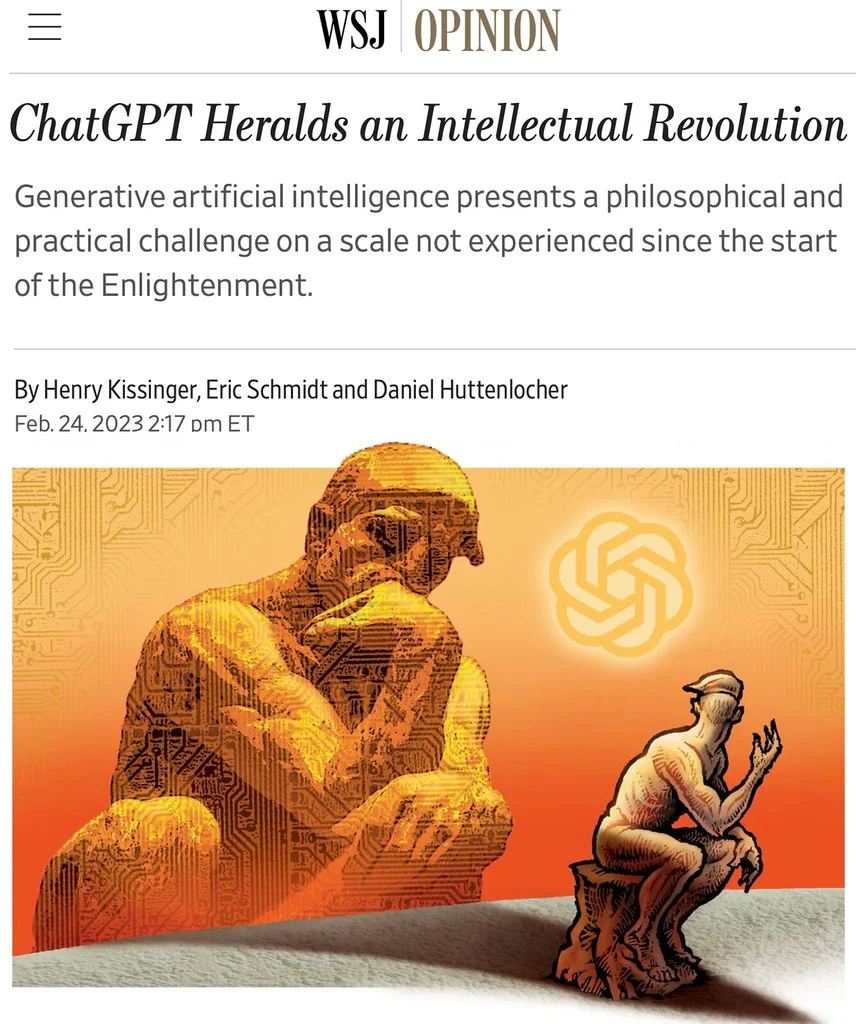
To ensure ethical AI usage, we need clear guidelines on privacy, data protection, and bias mitigation. There should be mechanisms to monitor AI's impact and accountability for any errors. Establishing ethics committees can help oversee AI applications and adherence to ethical standards. Training teams on AI ethics is vital so they can identify potential issues and ensure alignment with both organizational values and societal expectations.
Limitations of AI Communication Tools
While AI tools are powerful, they are not without limitations, especially in communication. These tools lack the ability to feel empathy or make nuanced human judgments, which can pose challenges when dealing with sensitive topics without human intervention.
Decision-making transparency is another concern, as the opacity of AI processes can lead to distrust. Moreover, privacy issues arise if AI systems fail to adequately protect data or comply with legal standards. Vigilant monitoring is necessary to prevent misuse and unforeseen complications.
Additionally, the substantial computational power required by AI can have environmental implications. Despite these challenges, AI remains a valuable asset in communication, offering real-time feedback and skill enhancement. The key is to strike a harmonious balance between AI capabilities and human interaction.
For further insights, explore these resources:
Interactive AI Tools for Enhancing Communication Skills
Evaluating AI Communication Tools for Skill Improvement
AI communication tools enhance interactions across various platforms. Below, we explore three popular tools: ChatGPT, Intercom, and Reply.io.
-
ChatGPT
Developed by OpenAI, ChatGPT is a versatile assistant capable of handling text, images, audio, and video. It's ideal for writing, research, coding, and live chats. ChatGPT supports real-time conversations with a natural feel, adeptly capturing tone and emotion. A notable feature is its ability to remember past sessions for improved performance over time. However, users should be prepared to edit and verify its outputs for accuracy.
-
Intercom
Targeted at businesses, Intercom facilitates customer interaction management through chatbots, while routing complex issues to human agents. It offers proactive messaging and integrates with CRM systems like Salesforce and HubSpot. Despite its robust features, the high cost and steep learning curve may pose challenges for smaller teams.
-
Reply.io
This tool automates personalized outreach across emails, LinkedIn, SMS, and WhatsApp. Its user-friendly interface is a plus, though it lacks integration with major platforms like Microsoft.
For further details, visit the following resources:
ChatGPT, Intercom, and Reply.io.
Case Studies and Real User Stories
AI Communication Skills: Success Stories
AI tools have significantly transformed communication across various fields. Let's explore some compelling examples:
Corporate Communication: Companies are leveraging AI virtual scenarios to enhance communication skills, yielding tangible business benefits. For instance:
- Increased Sales Productivity: Company Y experienced a remarkable 40% boost in sales productivity.
- Higher Average Order Value: Company X reported a 30% increase in average order value, thanks to the integration of Dasha AI.

Educational Advancements: In the realm of education, AI tools like Grammarly, Copilot, and ChatGPT are revolutionizing the learning experience for both students and teachers. These tools facilitate independent learning and enhance communication skills through collaborative efforts. Additionally, AI-assisted simulated patient chatbots offer medical students a safe environment to practice clinical communication and reasoning.
These examples underscore the profound impact of AI in making communication more efficient and effective across diverse sectors.
FAQs
How Does AI Enhance Confidence in Public Speaking?
AI can significantly enhance your public speaking skills by providing personalized feedback. It evaluates your tone, pace, and clarity, enabling you to practice and improve without stress. With AI-driven simulations and virtual audiences, you can rehearse your presentations interactively. This exposure to different speaking scenarios helps reduce anxiety.
The technology handles repetitive practice and offers insights into your communication patterns, allowing you to identify weaknesses and track progress, ultimately building your confidence. For instance, AI-powered public speaking apps can analyze your voice modulation and provide constructive feedback, helping you refine your delivery. If you're curious about more benefits of AI in communication, check out New Horizons.
Can AI Tools Effectively Analyze Tone and Emotions?
AI tools have advanced significantly in analyzing tone and emotions. They utilize natural language processing and sentiment analysis to detect emotional cues in both text and speech. However, they still can't fully comprehend all the nuances of non-verbal communication, such as facial expressions and body language, which are crucial in human interaction.
While AI-driven sentiment analysis can assess customer satisfaction and emotional tone, human judgment remains essential to maintain a personal touch. Research indicates that AI-generated language may appear less cooperative, highlighting limitations in emotional authenticity. For more on AI's impact on communication, visit Quality Training.
What Are the Top AI Tools for Improving Listening Skills?
AI tools designed to enhance listening skills often feature speech-to-text transcription, real-time feedback on active listening cues, and analysis of conversational dynamics. These tools help you understand better by identifying patterns such as interruptions and filler words, and by gauging engagement levels.
Some AI apps also coach you on paraverbal communication, compensating for the non-verbal cues you might miss in digital interactions. This approach enhances your listening and understanding capabilities. Examples include AI-powered communication coaches and apps that transcribe conversations and offer tips on improving active listening and engagement in meetings. For more insights on AI communication skills, visit New Horizons.
AI communication skills involve understanding and responding to human input with nuance, including both verbal and non-verbal cues. This capability allows AI to provide personalized feedback and help you improve your communication skills through real-time interaction and learning. Learn more at AI Scaleup.