
Public speaking anxiety hits about 75% of people. It's something many of us have to tackle, whether at work or in our personal lives. Picture standing in front of a crowd—sweaty palms, racing heart, and a mind that just won’t cooperate. It can be pretty scary. But here's a thought: what if technology could help you overcome this fear? In this piece, we’ll look at how tech and public speaking anxiety come together, offering some cool solutions that might change your experience. From virtual reality practice to AI feedback, there are loads of digital tools out there to calm your nerves and build your confidence. We'll see how science backs these tech advances and check out real-world examples where they’ve made a difference. Stick with us as we explore whether technology really can help you get over the jitters of public speaking!
Summary: This article describes technological solutions for public speaking anxiety, exploring the science behind technology and anxiety reduction, along with practical examples and use cases. It also addresses frequently asked questions about the intersection of technology and public speaking anxiety.
Understanding Public Speaking Anxiety
What is Public Speaking Anxiety?
Glossophobia is the fear of public speaking, and it's quite common. Approximately four in ten Americans and 75% of people worldwide experience it. The term originates from Greek: "glossa" means "tongue," and "phobos" means "fear." It's a type of social anxiety disorder and ranks among the most prevalent fears.
Why does it happen? The reasons can vary:
- Past experiences: A negative past speaking experience can trigger this fear.
- Self-esteem: Low self-esteem may contribute to feelings of inadequacy.
- Judgment: Fear of being judged or criticized.
- Preparation: Not feeling adequately prepared.
Symptoms manifest in various forms—physically, mentally, and behaviorally. You might experience:
- Heart racing
- Trembling
- Sweating
- Dry mouth
- Nausea
- Avoidance of speaking situations
For example, someone who was teased for reading aloud in class might develop glossophobia, displaying these symptoms and avoiding speaking engagements.
Effects of Public Speaking Anxiety
Anxiety about speaking in public can significantly affect your life. It can lead to feelings of embarrassment and avoidance of speaking situations. Negative experiences exacerbate the fear, causing you to miss opportunities to practice and improve.
Physical symptoms might include:
- Racing heart
- Breathing difficulties
- Voice changes
These symptoms can heighten anxiety and impact your delivery. Even if you recognize the irrationality of your fear, controlling these reactions can feel impossible—a hallmark of phobia.
This anxiety can hinder both personal and professional growth. It can disrupt job interviews, presentations, and social interactions. Concerns about judgment or appearing foolish can activate your body's fight-or-flight response, intensifying the anxiety. For instance, avoiding presentations due to this fear might limit career advancement and increase feelings of isolation.
However, there's hope. You can manage this anxiety with effective strategies:
- Preparation and practice: Familiarity breeds confidence.
- Positive thinking: Reframe negative thoughts.
- Exercise: Physical activity can reduce stress.
- Techniques: Deep breathing and muscle relaxation can alleviate symptoms.
Engaging with supportive communities, such as Toastmasters International, and gradually confronting your fear by speaking more often can also enhance your confidence.
For further reading:
- Glossophobia
- Public speaking anxiety
- Managing speaking anxiety
- Public speaking anxiety and its impact
Technological Solutions for Overcoming Public Speaking Anxiety
AI-Powered Tools for Public Speaking Anxiety
AI tools are significantly transforming how individuals address public speaking anxiety. These applications leverage artificial intelligence to provide feedback, simulate audiences, and offer tips to enhance speaking skills.
Consider Orai, an AI speech coach that aids improvement through interactive exercises. It analyzes your speech patterns, tone, pacing, and body language, providing feedback on clarity, filler words, and energy. This comprehensive feedback helps refine your delivery and boosts confidence.
Another noteworthy platform is VirtualSpeech, which combines AI and virtual reality (VR) for body language coaching and role-playing. It simulates real audience interactions, offering feedback and placing you in lifelike settings with unexpected questions. This approach helps you think on your feet and build confidence. Additionally, Cambridge has developed a free AI-enabled VR platform with an AI coach and realistic virtual settings. Even a brief session on this platform can enhance confidence and reduce anxiety.
Virtual Reality Therapy for Public Speaking Anxiety
Virtual Reality Exposure Therapy (VRET) offers an innovative way to confront public speaking fears through virtual environments. It allows you to practice in realistic scenarios while maintaining a safe space. Platforms like VirtualSpeech utilize VR to create authentic audience experiences, fostering confidence through exposure.

With Cambridge's free VR platform, you can use smartphone mounts and VR headsets to access immersive environments that enhance public speaking confidence. Practice in various settings, such as conference rooms or auditoriums, and receive instant feedback on eye contact, volume, and pacing. By gradually increasing the challenge, VRET builds confidence and reduces anxiety over time.
Advanced AI Platforms for Speech Anxiety Solutions
While specific information on Deepbrain AI and AI Studios regarding public speaking anxiety is limited, these platforms are renowned for their advanced AI capabilities. They frequently employ natural language processing and machine learning to deliver real-time feedback on your speech, analyzing grammar, pronunciation, and engagement to offer improvement suggestions.
AI Studios, for example, creates realistic virtual spaces for public speaking practice. By integrating AI and VR, AI Studios provides an immersive experience that mirrors the stress of addressing an audience. Practice in diverse settings, such as business meetings or public forums, and receive detailed feedback. The AI-driven analytics help identify strengths and weaknesses, guiding your improvement.
These technological solutions demonstrate how AI and VR can assist in overcoming public speaking anxiety. By offering personalized feedback and realistic practice environments, they enable individuals to conquer fears and develop robust speaking skills. As technology advances, AI and VR will continue to present new methods to address public speaking anxiety, aiding more people in enhancing their skills.
How Technology Reduces Public Speaking Anxiety
Neuroscience Insights on Technology and Anxiety
Public speaking can be nerve-wracking for many, triggering the brain’s fight-or-flight reaction. This is mainly due to the amygdala, the part of the brain that handles emotions, going into overdrive. When this happens, you might feel your heart race, start sweating, or even panic. But here's where technology steps in, offering tools to help keep that anxiety in check.
Virtual reality (VR) is a standout in easing anxiety symptoms. It creates calming, immersive experiences that let people practice in realistic settings, like a public speaking simulation. Over time, this can help calm the amygdala. VR can also pair with breathing exercises and scents to further ease anxiety, as shown in EEG studies. For instance, university students using a VR-based breathing therapy system saw their anxiety decrease through fun, game-like scenarios.
Research Validating Technology for Anxiety Relief
Research backs up how tech can help ease public speaking anxiety. Mobile apps with mindfulness and meditation features are proving effective in helping adults stay emotionally balanced and less anxious. These apps work well alongside traditional therapy, though personal traits can affect their success. Still, it's key to use tech wisely, as too much screen time can actually boost stress and anxiety.
Immersive VR has been shown to cut down anxiety after use by drawing users into the experience, which plays a big role in how much anxiety is reduced. Studies show that about 23% of college students deal with anxiety, and tech-based solutions are targeting this group. Reviews of mobile apps highlight significant anxiety reduction, especially those using mindfulness techniques.

As we keep exploring how neuroscience and tech intersect, we're likely to find even better ways to tackle anxiety. With ongoing research, the role of technology in managing anxiety becomes clearer, offering hope to those who fear public speaking.
Virtual reality technology
Integration of VR with breathing interaction modalities and olfactory stimuli
Mobile applications designed with mindfulness and meditation features
Excessive and unregulated use of digital devices
Clinical studies on university students
Practical Examples and Use Cases
Tech Tools for Managing Public Speaking Anxiety
If you're dealing with public speaking anxiety, there are several ways to tackle it. Techniques from psychology and good preparation can be tailored to fit what works best for you.
- Cognitive Reframing: This method, rooted in cognitive-behavioral psychology, helps you spot and challenge negative thoughts like expecting the worst or assuming others know what you're thinking. It's great for easing long-term anxiety.

- Acceptance and Commitment Therapy (ACT): This approach uses mindfulness to help you see anxious thoughts as just that—thoughts. This way, you gain flexibility and can engage in public speaking even when anxiety hits.
Practical techniques are also key. Things like thorough preparation, breathing exercises, and mindfulness can make a big difference. Engaging with your audience can help you feel less isolated and nervous.
- Try shifting your mindset from performer to teacher, focusing on your audience instead of yourself.
- Practice without memorizing every word.
- Repeated practice, especially in front of trusted friends, and accepting that mistakes happen, can boost your confidence and ease stage fright.
Customized Training Plans for Public Speaking
Creating a personalized training plan is crucial for handling public speaking anxiety. By pinpointing what triggers your anxiety, you can tailor strategies like breathing exercises and mindfulness to stay focused and calm during talks.
- Good preparation means knowing your stuff, managing the setting, and turning doubts into actionable tasks to build solid confidence.
ACT encourages you to focus on your values, like why your message matters. This commitment can make speaking more enjoyable, even if you're anxious. Training plans that shift your mindset from being self-conscious to a teaching role, and emphasize connecting with your audience, can ease nerves and boost interaction.
- Taking feedback from practice sessions and accepting imperfections helps tailor your growth and ease performance pressure.
Real-life examples show how these strategies work. In the workplace, some might overprepare or rush through presentations to curb anxiety. By identifying what specifically triggers your anxiety and cutting down on negative self-talk, you can stay focused and confident.

- Engaging with your audience, using humor, and finding friendly faces in the crowd are great ways to manage anxiety during live or virtual presentations.
Joining supportive groups like Toastmasters International offers a safe space for practice and feedback, helping you build confidence and reduce fear.
FAQs on Technology and Public Speaking Anxiety
Is VR Exposure Therapy Effective for Public Speaking Anxiety?
Virtual Reality (VR) exposure therapy is emerging as a promising alternative to traditional methods for addressing public speaking anxiety. By using immersive technology to create realistic audience settings, users can practice speaking in a controlled space. This approach allows individuals to face their fears gradually, helping to reduce anxiety and enhance performance.
A study in Frontiers in Virtual Reality highlights that VR platforms can quickly lower public speaking anxiety and build confidence, making VR a strong option alongside conventional therapies.
Consider the Cambridge-developed VR platform. It employs overexposure therapy techniques, with users reporting significant improvements in confidence and anxiety control after just one 30-minute session. All participants observed benefits after a week of self-guided use. VR therapy is notable for offering accessible, repeatable, and realistic practice scenarios without the need to organize live audiences. For instance, engineering students have utilized VR to face virtual crowds and tackle AI-generated questions, fostering quick thinking and confidence in a safe environment.
Benefits of AI Tools in Reducing Public Speaking Anxiety
AI tools have revolutionized public speaking preparation by providing personalized feedback on key elements such as tone, pacing, body language, and speech patterns. This targeted feedback enables users to enhance their speaking skills more effectively.
AI platforms can simulate real audience interactions and offer tailored coaching, helping speakers adapt to various situations and manage anxiety more effectively. Apps like Orai analyze speaking performance and provide valuable insights, making practice more effective and focused.
The convenience of AI tools is a significant advantage. With apps available on smartphones and computers, users can practice anytime, anywhere—ideal for busy individuals. AI tools often incorporate speech recognition and natural language processing to help users improve language skills and clarity. By integrating AI with VR, users experience realistic speaking environments and receive AI-generated feedback, creating a comprehensive platform for honing public speaking skills.
Customizing VR Platforms for Public Speaking Practice
Customization is a standout feature of VR platforms designed for public speaking training. These platforms offer flexible virtual environments that simulate various speaking scenarios, from small meetings to large auditoriums, allowing users to tailor practice to specific presentation types.
For example, the Cambridge VR platform provides a wide range of photorealistic virtual audiences and settings, enabling users to experience different levels of pressure and audience sizes.
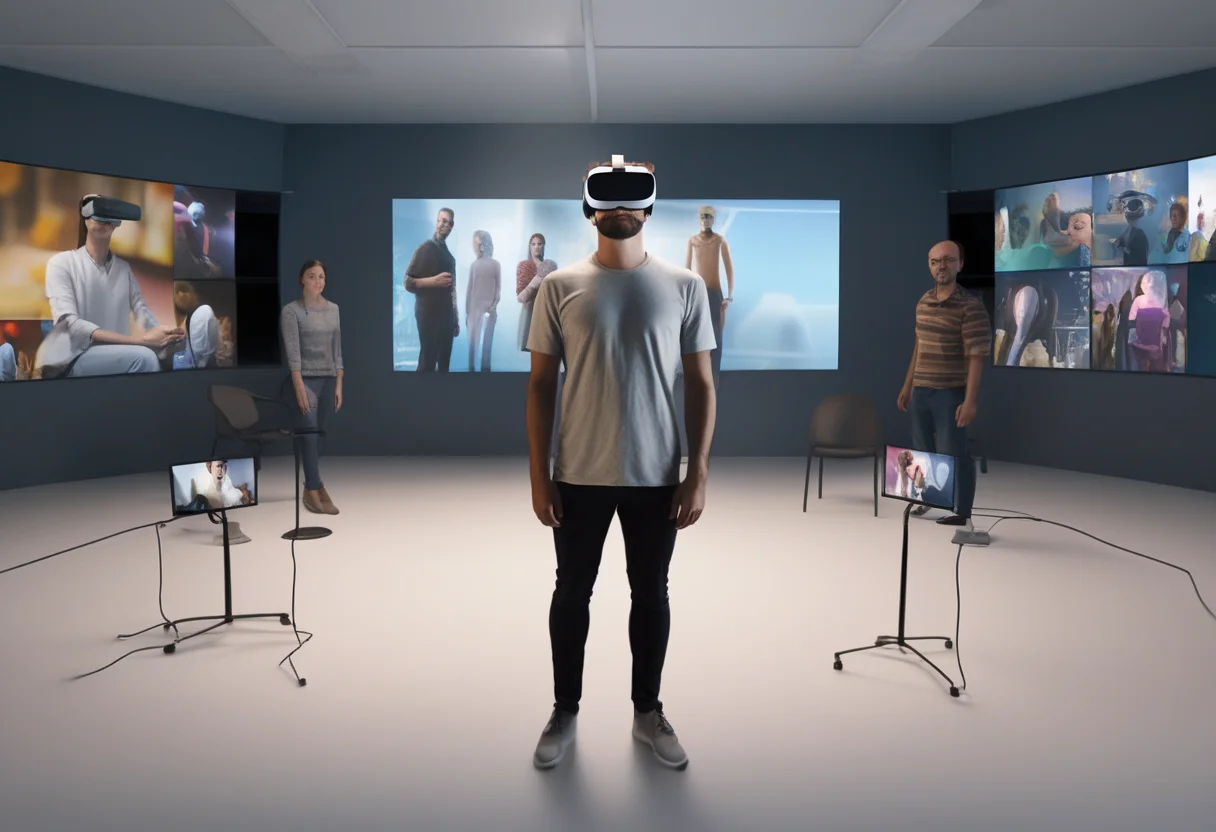
Users can practice delivering presentations in settings ranging from cozy boardrooms to stadiums filled with thousands of virtual spectators, adjusting difficulty and audience type to meet their needs. Dual-compatible VR players support both dedicated headsets and smartphone mounts, offering flexibility in engaging with customized presentation practice. This adaptability not only boosts confidence but also prepares speakers to handle unexpected situations during real-life presentations. By simulating varying levels of audience interaction—from passive listening to active questioning—VR platforms make training feel more authentic, helping users prepare for diverse audience reactions and adapt their delivery as needed.