
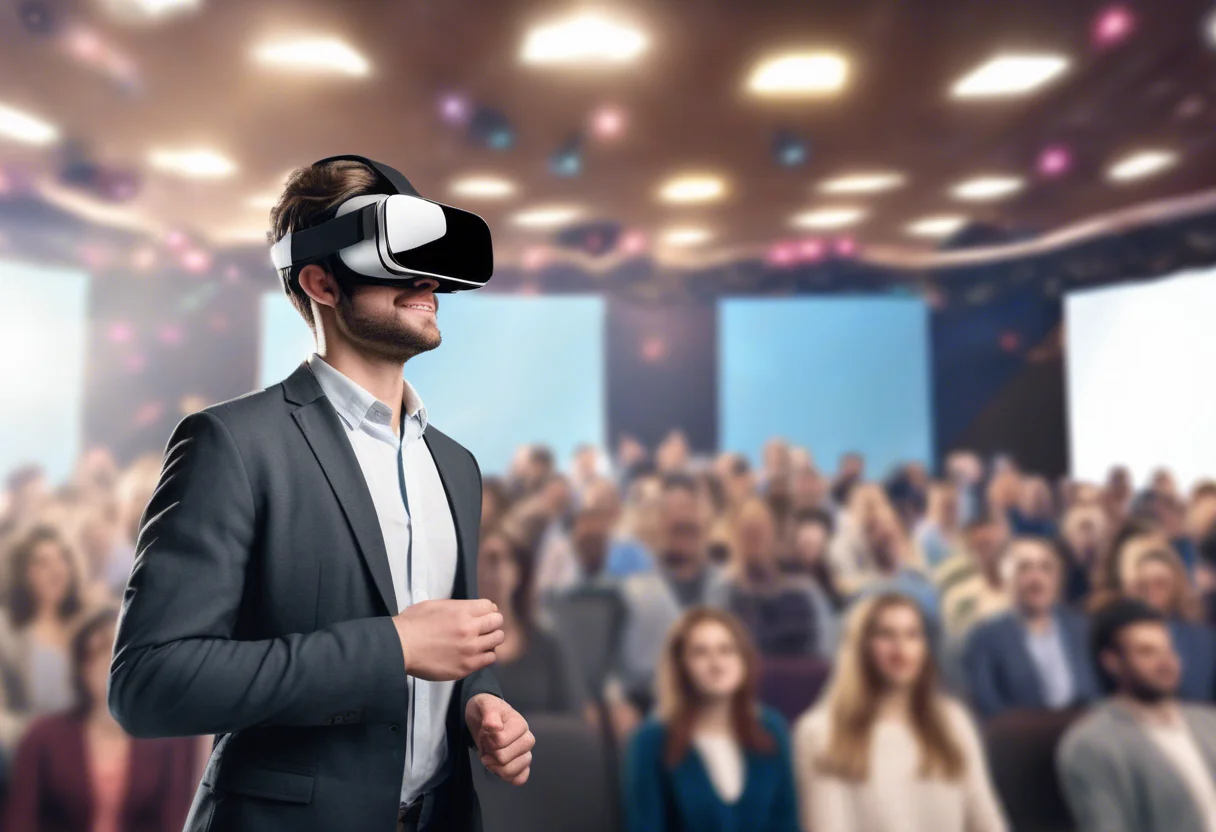
Public speaking—just hearing those words can make even the most experienced folks a bit uneasy! Did you know about 75% of people have glossophobia, which is the fear of speaking in public? It's a pretty common worry. But don't worry, because technology is stepping in to change how we deal with this challenge. There are all sorts of tools out there, like Deepbrain AI and AI Studios, along with other cool tech options. This article will show you how these tools can help you handle, and even overcome, your fear of public speaking. Whether you're just starting out or have been at it for years, the right tech can be your go-to for boosting your confidence and making your presentations better. So, let's see how we can use technology to make public speaking easier!
Summary: This article explores the impact of technology on public speaking, focusing on tools like Deepbrain AI and AI Studios, and offers practical tips for effective use. It also addresses common questions related to technological aids in public speaking.
Understanding Public Speaking Anxiety
Prevalence of Glossophobia: A Common Fear
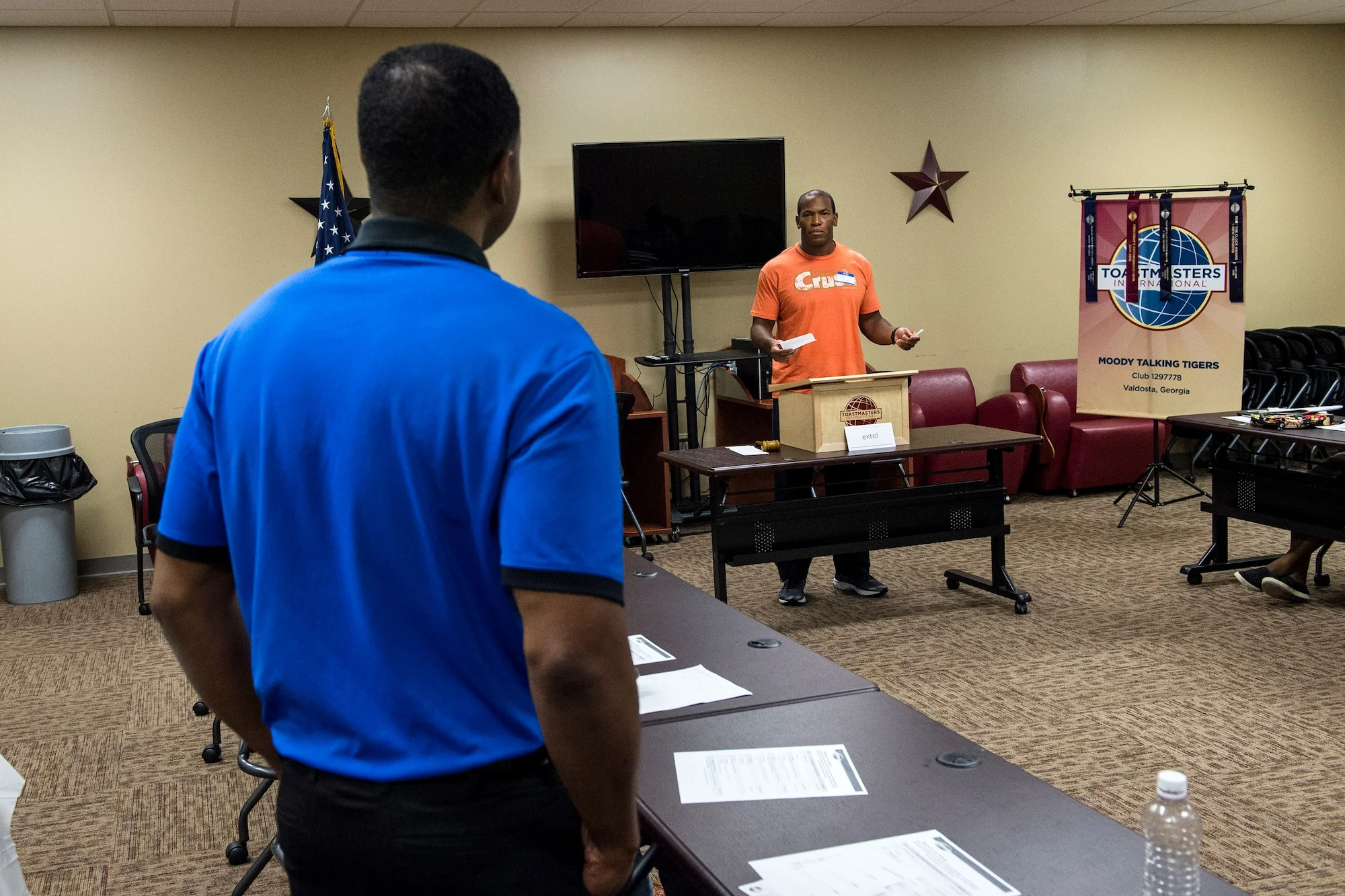
Public speaking anxiety, or glossophobia, is a common fear of speaking in front of people. Approximately 15% to 30% of individuals experience it, impacting up to 80% of students and many adults. This anxiety is a type of social anxiety disorder, manifesting as symptoms like a pounding heart, sweating, shaking, or nausea. Remarkably, it is the most prevalent phobia, surpassing the fear of death, spiders, or heights. Symptoms range from mild nervousness to severe panic attacks, including shaking, sweating, dry mouth, and a racing heart.
Causes of Public Speaking Anxiety: Psychological and Physiological Factors
The roots of glossophobia often lie in past negative experiences, such as criticism, embarrassment, or rejection, which linger in one's memory. Influences may also stem from observing others or even genetic predispositions. Physiologically, this fear triggers the body's fight-or-flight response, releasing adrenaline and cortisol. These hormones cause symptoms like a racing heart, sweating, and shaking. The brain may perceive public speaking as a threat, exacerbating the fear and making communication challenging. This can lead to avoiding speaking engagements altogether.
However, technology is emerging as a valuable ally in addressing this anxiety. Virtual Reality tools offer lifelike speaking scenarios, allowing individuals to practice and build confidence incrementally. AI coaching provides personalized advice on improving speaking skills and managing anxiety. Additionally, real-time apps offer breathing exercises and mindfulness techniques. Users of apps like Orai and Speeko have reported significant boosts in confidence and delivery, demonstrating technology's effectiveness in alleviating anxious feelings.
The Role of Technology in Public Speaking
Technological Solutions Enhancing Public Speaking
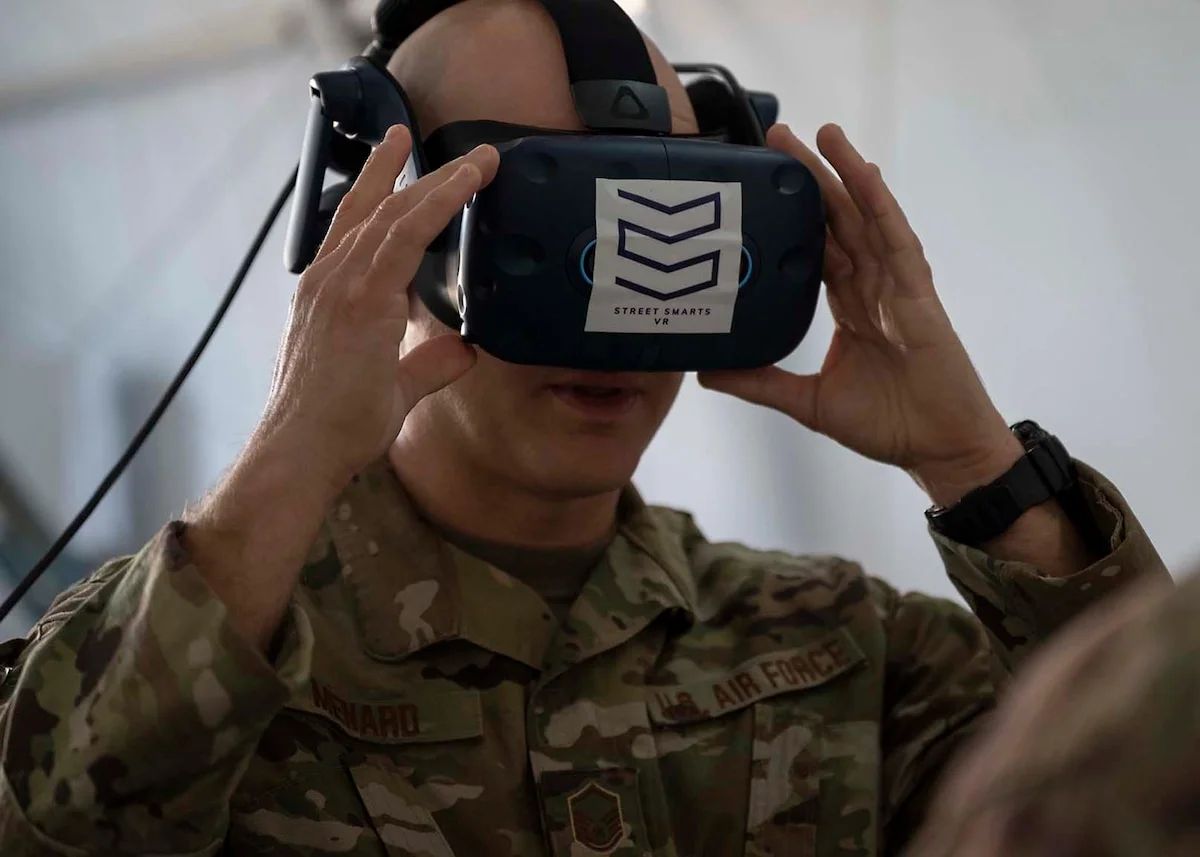
In the realm of public speaking, technology serves as a valuable ally, providing tools that enhance performance and alleviate anxiety. AI and VR have become integral to workplace communication and training, aiding individuals in developing both technical and soft skills, such as public speaking.
For instance, tech-based learning leverages AI and VR to simulate real audiences, allowing users to practice speaking with authentic feedback and pressure. This hands-on methodology fosters confidence and hones communication skills.
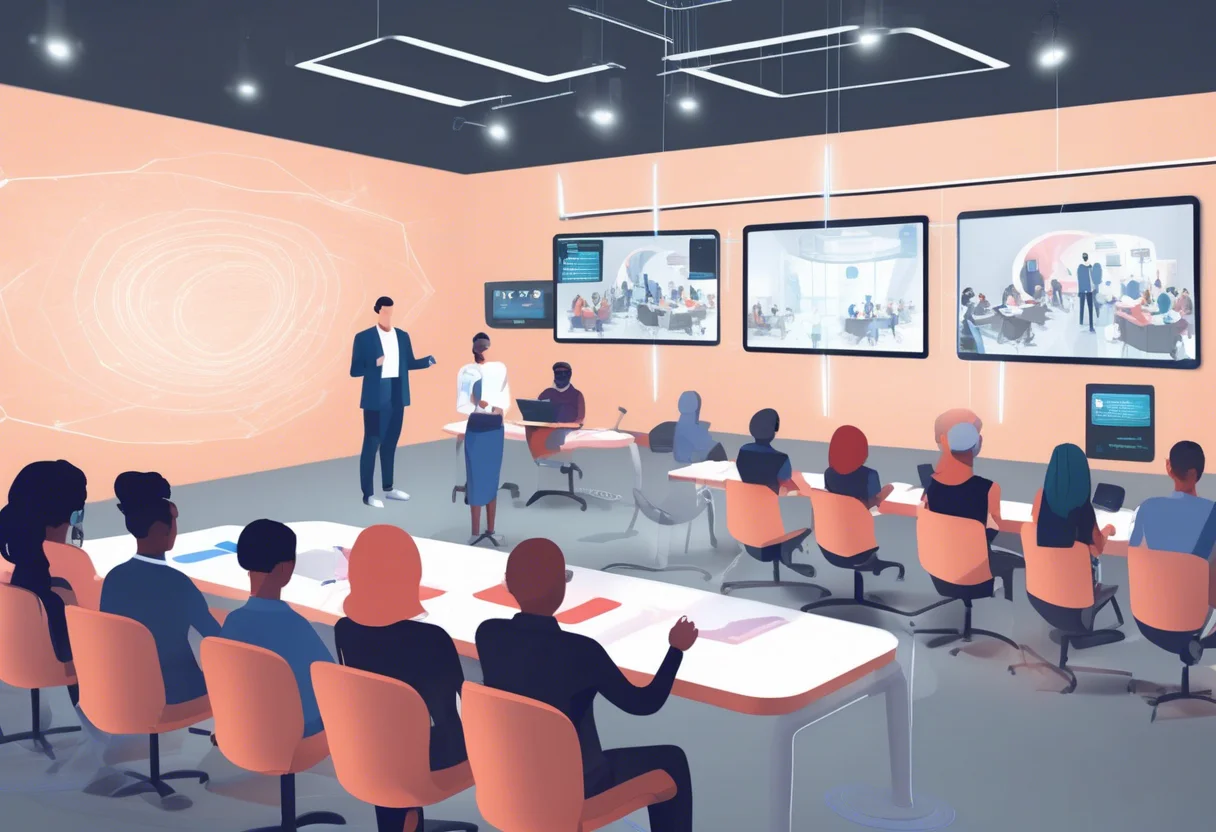
Digital platforms like Zoom, Google Meet, TED-Ed, and Toastmasters for Kids offer virtual spaces for practicing public speaking, enhancing communication skills in our digital age. These platforms facilitate global reach, although maintaining engagement can be challenging. Additionally, apps like Orai utilize AI to provide feedback on speaking skills, assisting users in improving their public speaking abilities through technology. By analyzing speech patterns, tone, pacing, and body language, these apps deliver tailored feedback, making practice more effective.
Overcoming Anxiety with VR Exposure Therapy
Virtual Reality (VR) Exposure Therapy is a contemporary technique that employs immersive technology to help individuals overcome the fear of public speaking. VR exposure therapy creates authentic audience settings, enabling speakers to practice in realistic yet controlled environments. This approach reduces anxiety and enhances performance by allowing users to experience the pressure of live interaction, including unexpected questions. Such exposure cultivates quick thinking and confidence, providing a safe environment for speakers to refine their skills.
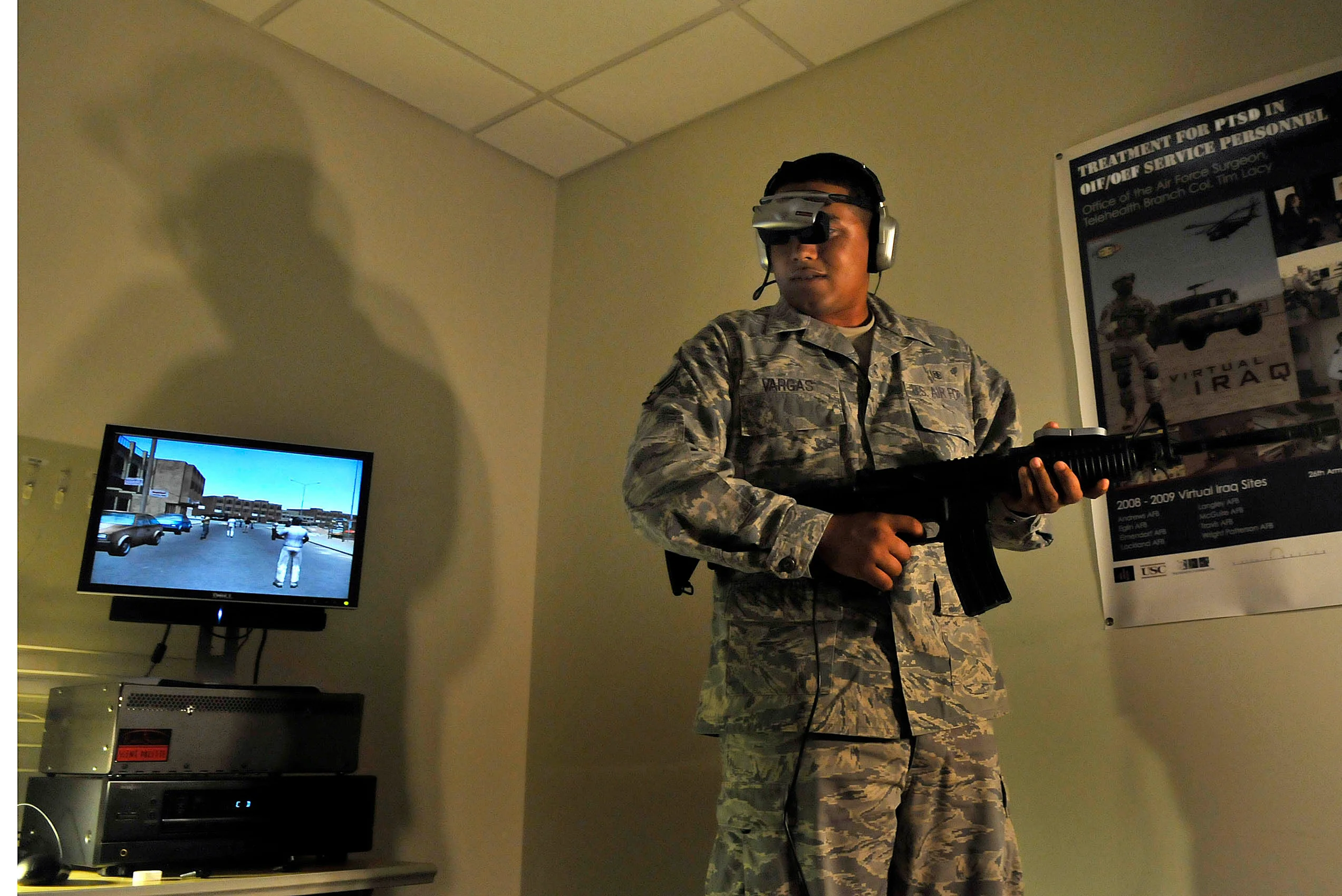
For example, engineering students have utilized VR to face virtual audiences where AI-generated questions prompted them to think on their feet during presentations. This immersive practice builds confidence over time and eliminates the logistical challenges of organizing live audiences. Platforms like VirtualSpeech offer VR courses that place users in front of virtual audiences, delivering a lifelike experience that helps mitigate the stress of public speaking.
AI Tools for Public Speaking Improvement
AI has significantly advanced public speaking by providing intelligent coaching and feedback tools. These AI tools analyze speech patterns, tone, pacing, and body language to deliver personalized feedback and coaching for improving public speaking.
Apps like Orai exemplify this by offering feedback on users' speaking skills, aiding them in refining their delivery and communication techniques. By tracking progress and identifying areas for improvement, these applications empower speakers to enhance their skills in alignment with their strengths and weaknesses. This application of AI in learning reduces the necessity for constant human guidance, making practice more accessible and efficient. Consequently, speakers can become more proficient and confident in their public speaking endeavors.
Deepbrain AI and AI Studios
Deepbrain AI: Transforming Technology for Public Speaking
DeepBrain AI is a conversational AI platform that makes interacting with machines feel more human. It leverages smart algorithms and natural language processing to enable machines to understand and engage like humans do. By processing extensive speech and text data, it trains deep learning models, such as RNNs and transformers, to grasp the subtleties of language.
Key Features:
- Natural Language Understanding (NLU): Breaks down sentences to identify key points.
- AI-Generated Videos: Utilizes AI avatars, text-to-speech, and templates to quickly produce professional videos without the need for cameras or actors.
- Extensive Library: Offers over 150 lifelike AI avatars and supports more than 80 languages through text-to-speech and translation features.
- Deepfake Detection: Developing technology to identify AI-generated deepfake videos by analyzing lip syncs, face swaps, and face generation techniques—useful for law enforcement.
AI Studios: Practical Applications in Public Speaking Technology
Virtual Presentations with AI Studios
DeepBrain AI Studios enables the transformation of text scripts into AI-generated videos with lifelike avatars capable of speaking any language using natural text-to-speech technology. This is revolutionary for corporate environments where clear and consistent communication is crucial. It's ideal for:
- Corporate training
- Explainer videos
- Tutorials
- Marketing content
- eLearning
Customization Options:
- AI avatars representing various ages, races, and professions.
Language Training Through Technology
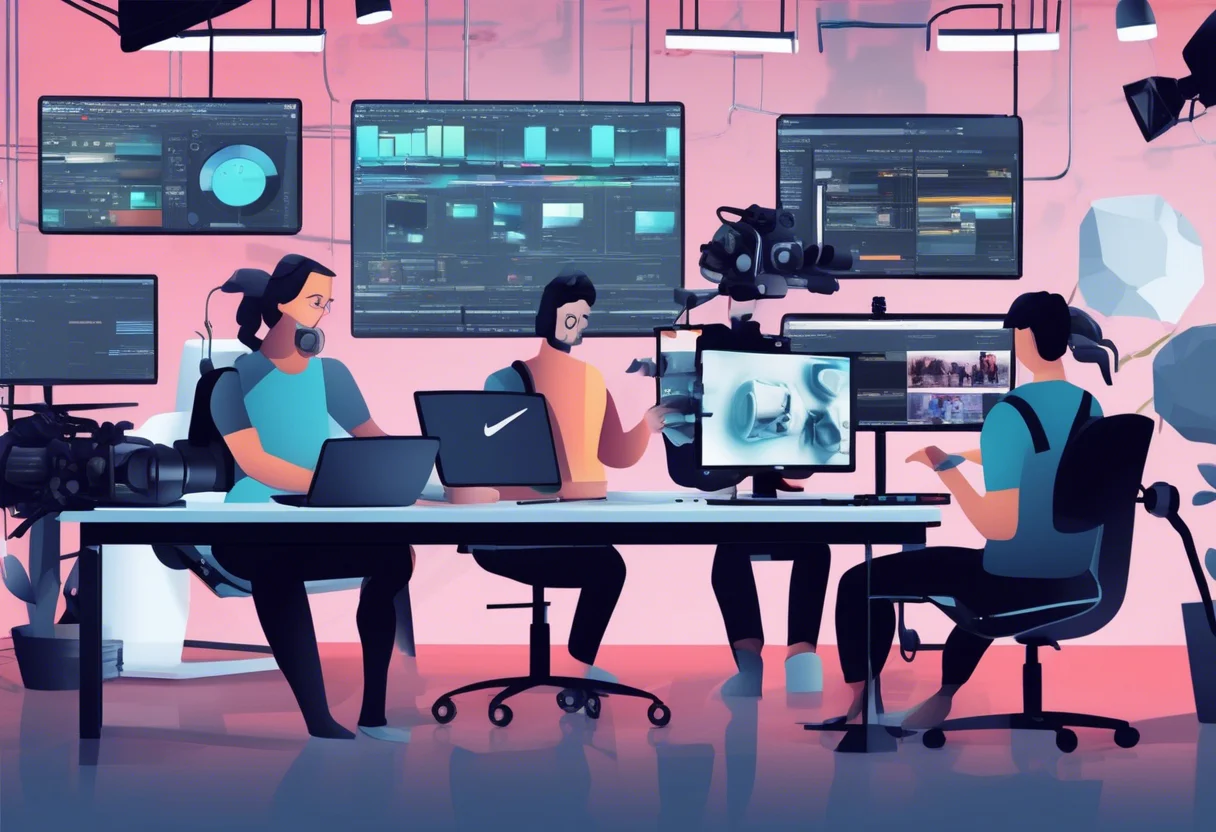
The platform's online video editor is equipped with features such as templates, backgrounds, royalty-free music, text animations, and automatic subtitles. These tools simplify video production, eliminating the need for complex software.
Benefits:
- Integrates AI content generation for scripts, images, and videos
- Saves time and money—no need for actors, equipment, or studio setups
Personalized Coaching with AI Studios
AI Studios facilitates team collaboration through shared workspaces, helping teams organize projects and brand assets efficiently. Unlike other AI video tools, DeepBrain AI Studios emphasizes creating realistic videos with AI avatars and offers multi-language support, making it ideal for reaching global audiences in public speaking and presentations.
Technological Innovations in Public Speaking
AR Coaching for Enhanced Public Speaking
Augmented Reality (AR) and Virtual Reality (VR) are becoming essential tools for public speaking practice. They create immersive and realistic settings to help you hone your skills. A noteworthy example is a free AI-powered VR platform developed by a Cambridge researcher. This platform offers personalized coaching in lifelike virtual spaces, and users have reported feeling more confident, adaptable, and less anxious after just a short period of use.
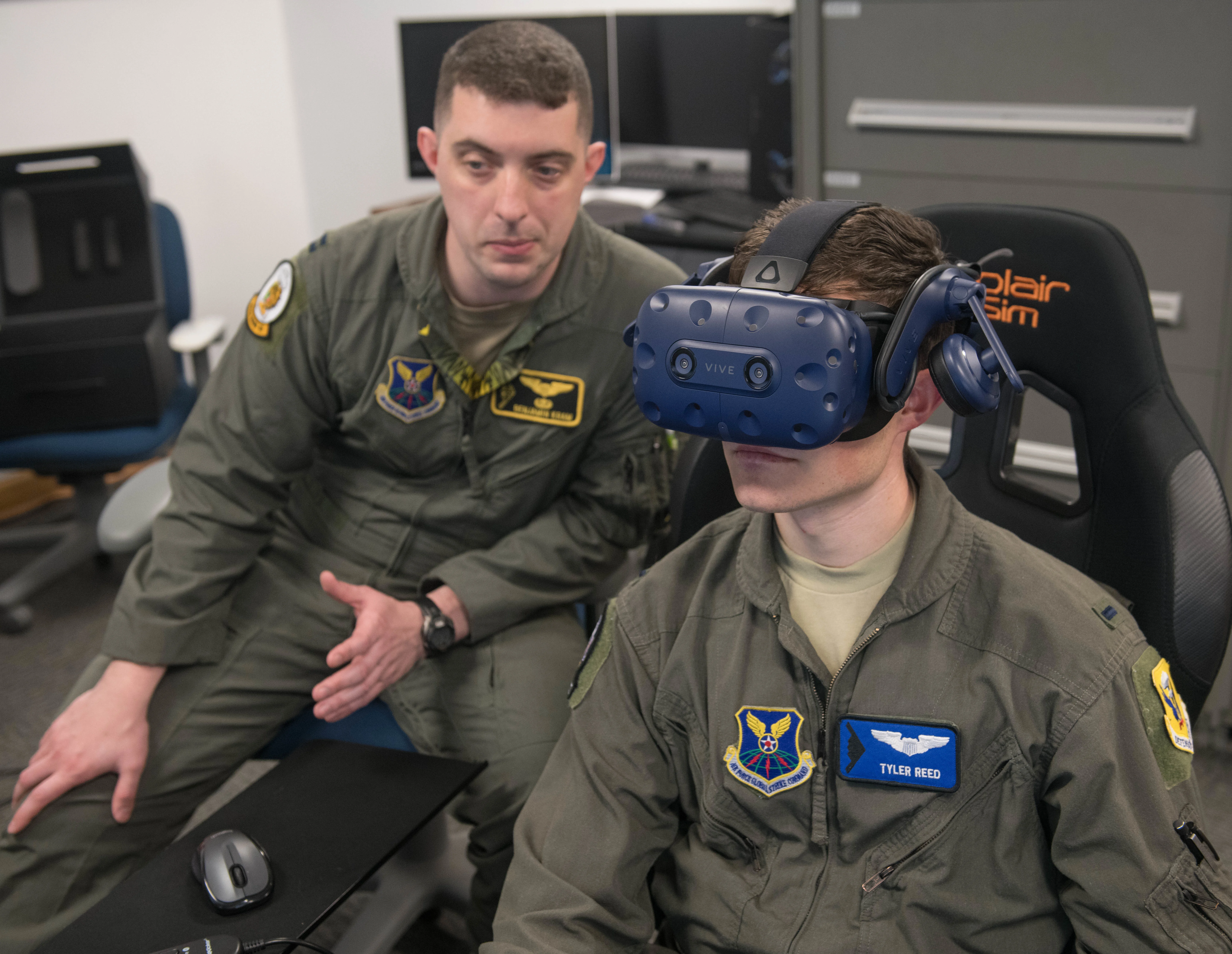
AR and VR not only address public speaking jitters but also enhance audience engagement by transporting them to new environments or overlaying digital information. These experiences can make your presentation more memorable.
Biofeedback Wearables for Performance Enhancement
Biofeedback wearables are increasingly becoming must-haves for speakers aiming to manage anxiety and enhance performance. These devices monitor physiological indicators such as heart rate and breathing, helping you address issues like a racing heart or shaky voice.
When combined with AR or VR coaching, biofeedback wearables amplify the benefits of your practice. Real-time stress data allows you to experiment with calming techniques on the spot. Additionally, wearables that track speaking pace and voice modulation, like metronome apps, provide instant feedback to help you speak more clearly and confidently. With these tools, you gain better control over your body's reactions, making you a more confident and effective speaker.
Utilizing AR coaching and biofeedback wearables in your public speaking preparation offers a comprehensive approach, addressing both the mental and physical aspects of speaking. These tech tools provide interactive, data-driven methods to build your confidence and skills, resulting in presentations that truly resonate with your audience.
For more information on using VR and AR for public speaking and biofeedback wearables, explore the cutting-edge tools that are revolutionizing communication.
Practical Tips for Using Technology in Public Speaking
Integrating Technology for Engaging Presentations
Incorporating technology into your public speaking can significantly enhance your presentation. Here are some tools and platforms to consider:
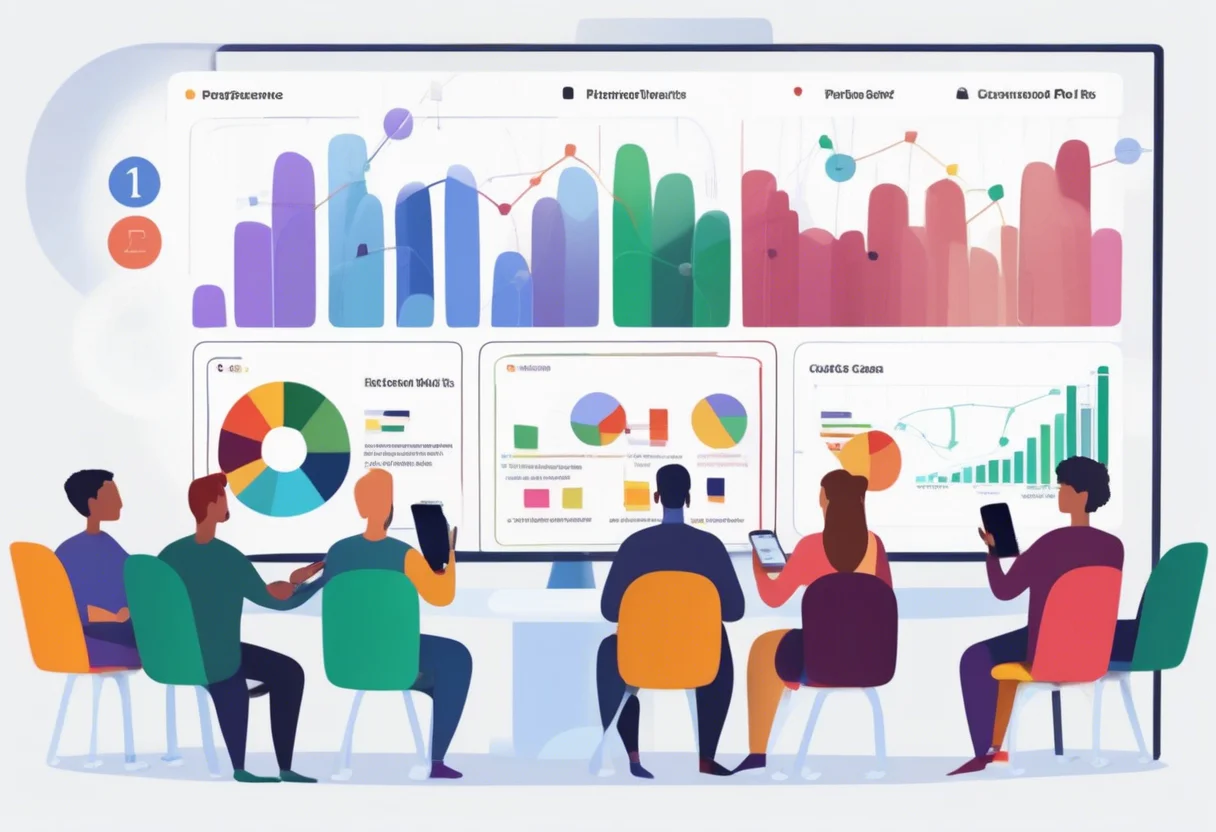
- Interactive Tools: Utilize tools like Mentimeter and Slido to ask questions and receive instant feedback, keeping your audience engaged, especially in online settings.
-
Video Conferencing Platforms: Platforms such as Zoom, Microsoft Teams, and Google Meet offer features like breakout rooms and live polls to add interactivity to your sessions.
-
Presentation Software: Tools like PowerPoint, Prezi, and Keynote allow you to incorporate videos and infographics, aiding in the explanation of complex topics.
-
AI Tools for Design: Leverage AI tools like Beautiful.ai and Tome to automate slide design, saving time and enhancing visual appeal.
-
Virtual Reality: VirtualOrator uses virtual reality to create realistic speaking environments, which is particularly beneficial for overcoming stage fright.
Balancing Digital Tools with Traditional Speaking Methods
While technology can greatly engage your audience, it's crucial to blend it with traditional methods for a well-rounded presentation:
-
Traditional Aids: Well-designed slides, infographics, and props can make your presentation more memorable and relatable, complementing digital tools.
-
Audio-Visual Equipment: Proper use of microphones and projectors ensures clarity, allowing your audience to hear and see your content effectively.
-
Handouts: Providing handouts reinforces your main points and aids audience retention after the presentation.

The key is to use technology judiciously, ensuring it enhances rather than dominates your presentation. This balance allows you to enjoy the advantages of technology while maintaining the authenticity of traditional public speaking.
FAQ Section
Is VR Therapy More Effective Than Traditional Exposure Therapy?
VR therapy offers a compelling alternative for individuals facing public speaking anxiety. Traditional exposure therapy often necessitates real-life practice, which can be both challenging to coordinate and emotionally taxing. VR therapy, on the other hand, provides a secure and controlled environment where individuals can confront their fears incrementally.
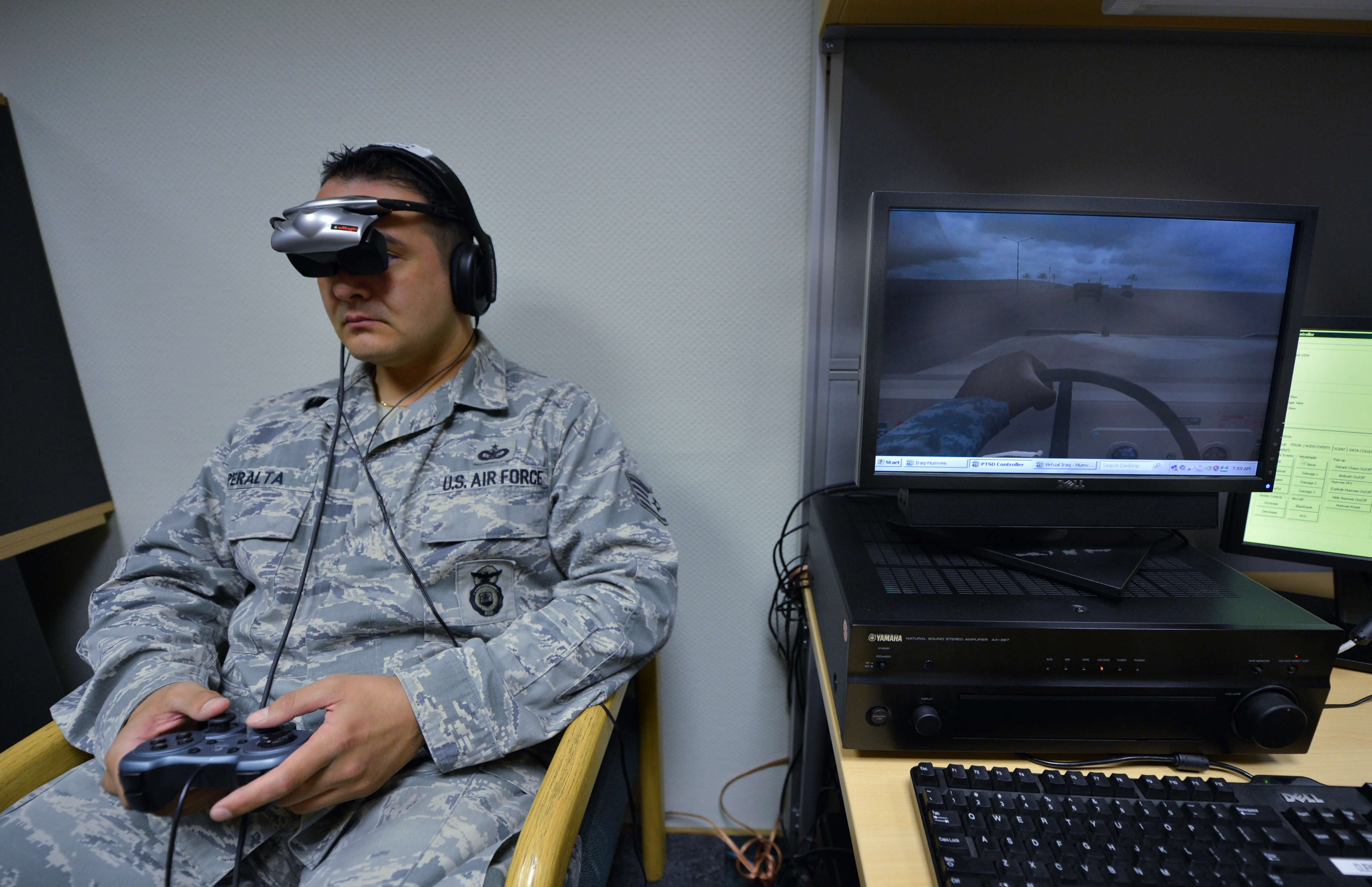
Research indicates that VR can significantly reduce speaking anxiety and enhance self-confidence by simulating realistic speaking scenarios. A study conducted by a Cambridge AI-enabled VR platform revealed that even a single 30-minute session could boost confidence and make the process more enjoyable for most users. After a week of self-guided use, participants experienced improvements in managing anxiety and feeling prepared.
This suggests that VR therapy not only matches the effectiveness of traditional methods but also offers unique advantages. Users can simulate various speaking scenarios, from intimate meetings to large auditoriums, ensuring comprehensive exposure. For more insights on VR therapy's effectiveness, visit this link.
Benefits of AI in Public Speaking Training
AI has revolutionized public speaking training by providing personalized, data-driven feedback that wasn't previously accessible. One of the major benefits is the instant feedback on aspects such as filler words, pace, clarity, tone, and confidence.

Tools like Orai analyze your speech patterns and offer targeted drills to enhance articulation and confidence. Additionally, AI coaching apps provide customized exercises and mock presentations, replicating real-life speaking environments to bolster skills and confidence. These tools track progress, helping you monitor improvements in eye contact, hesitation words, and speaking pace.
For instance, the Orai app identifies filler words and evaluates tone and pace, offering exercises to refine your delivery. This kind of personalized feedback is invaluable for anyone aiming to enhance their speaking skills independently. Discover more about AI tools for public speaking here.
Customizing VR Platforms for Public Speaking Scenarios
VR platforms are exceptionally flexible, allowing customization for various public speaking scenarios. This adaptability is crucial for addressing the diverse needs of speakers, whether preparing for a corporate presentation, a conference keynote, or a classroom lecture.
Platforms like VirtualSpeech provide a variety of realistic training environments, such as conference rooms, auditoriums, and press conferences, enabling practice in settings that closely resemble real-life situations. Users can select audience sizes ranging from a single person to hundreds, facilitating confidence-building at a personalized pace.
Some VR applications even allow the upload of presentation slides, enabling practice with visual aids to ensure readiness for specific events. For more information on VR customization, visit this link.