

AI has changed how we communicate. It’s predicted that AI communication tools could save businesses about $8 billion a year by 2022. That's huge! These tools are changing not just how we talk but also making things more efficient and personal. Think about chatbots that are always ready to help or AI analytics that really get what consumers want. The benefits are big and varied. But what does this mean for how we’ll communicate in the future? Are we ready for these changes and the ethical and privacy issues they bring? Let’s look at the key benefits, practical uses, and future trends of AI in communication. These innovations aren’t just a fad; they’re a big shift in how we connect and share messages.
Summary: Dieser Artikel beschreibt die transformative Rolle von KI in der modernen Kommunikation und untersucht die Vorteile, Anwendungen, ethischen Überlegungen sowie zukünftige Trends und Innovationen in diesem Bereich.
AI's Transformative Role in Modern Communication
AI's Impact on Communication Evolution
AI is becoming an integral part of our daily communication and work processes. It's revolutionizing the way we interact by enabling AI systems to generate content such as text and images based on user inputs.
-
Routine Tasks: AI tools are now adept at handling routine tasks like writing press releases, monitoring media coverage, and crafting social media posts. This automation streamlines workflows, allowing individuals to concentrate on strategic initiatives.
-
Real-Time Monitoring: With AI, businesses can monitor public opinion in real-time across social media and news platforms, empowering brands to respond swiftly and enhance their public image.

-
Job Evolution: Communication roles are evolving. While AI manages repetitive tasks, roles in customer service and sales are shifting towards more complex interactions that require empathy and insight.
-
Government Communication: In the public sector, AI is enhancing communication by facilitating better collaboration among employees and more effective public engagement.
AI's Role in Enhancing Communication Efficiency
AI significantly enhances communication speed and efficiency by automating repetitive tasks, enabling businesses to accomplish more in less time.
-
Data-Driven Storytelling: AI allows for deep data analysis to craft narratives that resonate with audiences, making content more engaging.
-
Tailored Messaging: AI can personalize messages for different audiences with greater precision than manual efforts.
-
Infrastructure Support: In the US, AI is a crucial component of communication infrastructure, such as cellular networks, reducing interference and ensuring smooth operations.

- Regulatory Measures: Several states are implementing laws to ensure AI transparency and fairness, including mandates for disclosing chatbot interactions.
AI chatbots provide 24/7 customer support, addressing inquiries and anticipating needs based on previous interactions, which enhances customer satisfaction and loyalty. Additionally, tools like Google Translate and DeepL facilitate seamless cross-cultural communication, especially in sectors like medicine and life sciences.
Key Benefits of AI-Powered Communication Tools
Enhanced Communication and Collaboration Platforms
AI tools have significantly enhanced teamwork by providing features like meeting assistants, real-time translation, and instant document sharing. These capabilities ensure that teams remain synchronized, regardless of their physical locations.
Consider a global company utilizing AI meeting assistants for live transcription and translation during virtual meetings. This effectively eliminates language barriers, enabling seamless collaboration among team members from various countries. Additionally, AI supports smart copilots and predictive analytics, accelerating decision-making and enhancing teamwork.
By automating routine tasks such as scheduling and reminders, AI reduces busywork, allowing individuals to focus on more creative endeavors. This shift can increase team productivity by up to 40% (source).

Personalized AI Messaging and Customer Communication
AI has revolutionized personalized messaging by analyzing user data to deliver tailored content, thus making both internal and customer communications more engaging and effective (source).
AI chatbots provide 24/7 instant support, reducing the workload on staff and ensuring customer satisfaction by promptly addressing their needs (source). These chatbots manage inquiries and transactions autonomously, allowing human agents to handle more complex issues.
Personalized AI interactions, such as recommendation engines and sentiment analysis, enhance customer experiences and foster loyalty (source). For example, an e-commerce platform might leverage AI to tailor marketing emails based on customer preferences and past purchases, resulting in higher open rates and increased sales.
AI-Driven Insights for Improved Decision-Making
AI communication tools provide invaluable insights that enhance decision-making processes. By analyzing vast amounts of communication data in real time, AI delivers insights that can reduce miscommunication by 60% (source).

AI analytics offer real-time feedback on communication effectiveness, engagement levels, and potential gaps, enabling teams to adjust strategies for improved outcomes (source). Predictive analytics can identify potential sales leads and optimize resource allocation, increasing conversion rates by 30% and streamlining operations (source).
For instance, a sales team might employ AI to monitor customer interactions and identify the most promising leads, allowing sales representatives to concentrate their efforts and boost conversion rates.
Practical Applications and Use Cases in AI Communication
AI Communication in Customer Support
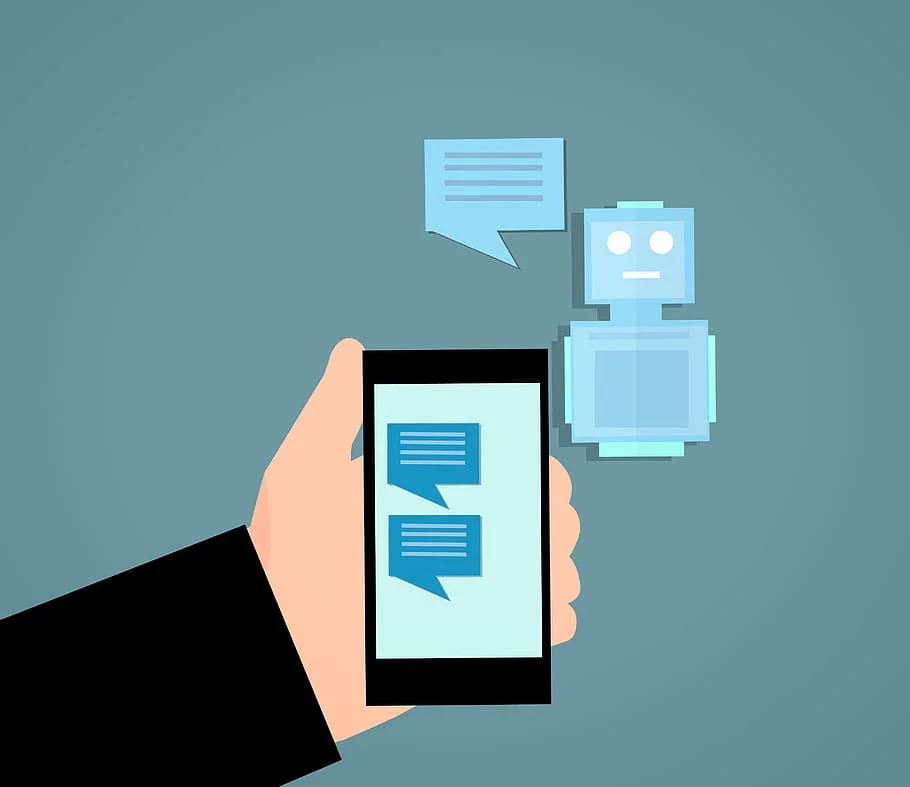
AI tools are revolutionizing the way we manage customer support. They deliver clear, personalized messages that cater to diverse needs, enhancing both customer satisfaction and comprehension. By employing straightforward language and being sensitive to cultural differences, AI chatbots can effectively reach broader audiences, including communities such as the Hispanic community.
These tools utilize text, voice, and video to ensure communication is clear and engaging. For example, a healthcare provider might deploy an AI chatbot that communicates in plain language, offers assistance in Spanish, and includes American Sign Language videos, thus better serving a diverse patient group.
AI-Powered Social Media Content Creation
AI plays a crucial role in crafting social media content that is both clear and concise. It highlights vital information and customizes content to suit specific audiences, ensuring it is both relatable and easily understood. AI tools also collect audience feedback to enhance message relevance and engagement.
By analyzing social media trends and styles, AI crafts messages that transcend cultural and language barriers. Consider an AI tool that modifies social media posts for clarity and cultural sensitivity, aiding public health campaigns to reach wider audiences. For further insights on communication strategies, refer to CDC's research summaries.
Improving Face-to-Face and Remote AI Communication
AI platforms empower leaders to communicate clearly and effectively, a critical component for team management and cultivating company culture. These tools dismantle barriers in remote conversations by providing real-time translation, transcription, and sentiment analysis, thus enhancing understanding.
When paired with patient-reported outcome (PRO) tools in healthcare, AI values patient input and supports decision-making. An example is a virtual meeting platform equipped with AI that delivers live translation and feedback, enabling leaders to communicate more effectively with remote teams. For additional insights on communication strategies, explore Coursera's article.
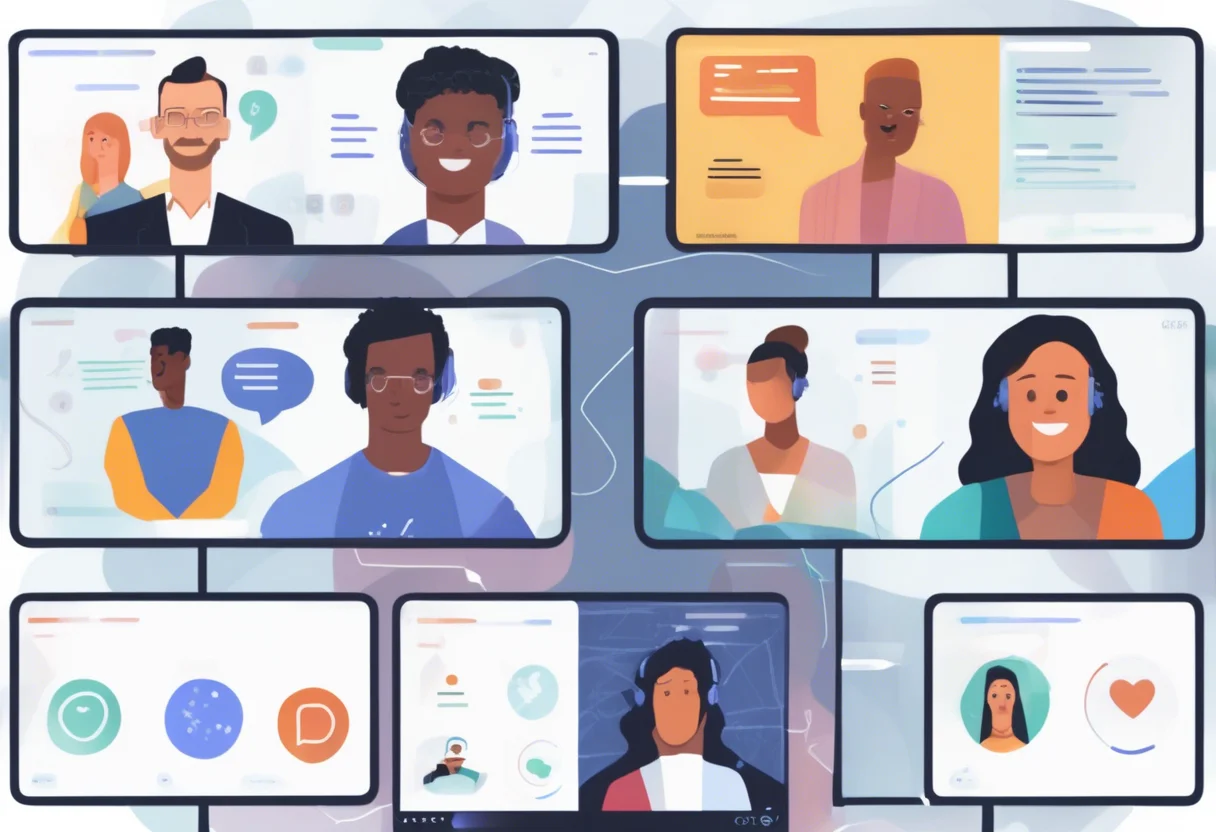
AI in communication focuses on making interactions clearer, more inclusive, and engaging, particularly within the US. It is strategically employed to enhance communication across voice, video, SMS, and social channels, enriching customer interactions. Businesses leverage AI for self-service, efficient call routing, agent assistance, and post-call analysis, all of which elevate communication efficiency. For more examples of communication technology, visit Vonage's resource.
Ethical and Privacy Considerations in AI Communication
Data Privacy and Security in AI Communication
In the realm of AI communication, maintaining data privacy and security is paramount. This not only fosters trust but also ensures the smooth functioning of society. Responsible AI emphasizes the protection of privacy and data, which is essential for ethical AI usage.
In the United States, AI regulations primarily rely on existing federal laws. However, new legislation, such as California's AI Content Disclosure Act, is paving the way for greater transparency regarding AI-generated content. This act mandates clear labeling of AI-modified content and imposes penalties for non-compliance, thereby safeguarding data.

Agencies like the Federal Trade Commission (FTC) play a crucial role in this ecosystem. They enforce privacy standards, monitor for bias, and prevent deceptive AI marketing practices. Particularly in higher education, ethical guidelines underscore the importance of protecting personal information, making privacy and data protection foundational to AI application.
Reducing Bias and Ensuring Fairness in AI Communication
Reducing bias and ensuring fairness in AI communication is essential to prevent discrimination and misinformation. Responsible AI advocates for fairness and accuracy, ensuring that outcomes are unbiased.
The U.S. National Institute of Standards and Technology (NIST) is developing an AI Bill of Rights to address algorithmic discrimination and enhance fairness. Ethical guidelines emphasize justice and non-discrimination, ensuring equitable treatment and preventing biased results in communication tools.

Public relations professionals recognize the ethical challenges posed by AI and highlight the need for fairness and oversight when customizing messages with AI. Regular evaluations for bias in AI tools are crucial to maintain fairness and prevent discriminatory practices in communication systems.
For further insights into the ethical dimensions of AI in communication, explore the Global Alliance for Public Relations and Communication Management for comprehensive guidance on responsible AI use.
Future Trends and Innovations in AI Communication
Emerging AI Technologies Revolutionizing Communication
By 2025, AI will revolutionize the way we communicate by offering personalized content on a large scale, enhancing customer experiences, and building stronger connections. Generative AI tools are at the forefront of this transformation, enabling targeted messages for each consumer and making communication more personal than ever before.
AI-driven game theory is reshaping crisis communication. Instead of merely reacting, it utilizes real-time data to create and test brand messages before they go public, ensuring they are accurate and well thought out.
Autonomous AI agents are assuming tasks that previously required human input, such as managing schedules, dealing with customers, and analyzing data. This shift is streamlining communication workflows, enhancing efficiency and productivity. Advanced data analytics in AI now handle both structured and unstructured data—like images and social media—to better understand consumer desires and brand perceptions, leading to smarter marketing communications.
AI-powered chatbots and virtual assistants are increasingly common for handling customer inquiries, suggesting products, and completing transactions instantly. By 2025, 95% of customer interactions in retail and similar sectors will be AI-assisted, highlighting the widespread adoption of AI in communication.

Agentic AI systems can independently interact with customers and manage complex tasks, as demonstrated by platforms like Salesforce's Agentforce.
Enhancing Human-AI Collaboration in Communication
The synergy of AI and human creativity is unlocking new possibilities in communication. Professionals are moving beyond merely experimenting with AI; they are fully integrating it with data analytics for precise audience targeting and content creation. AI isn't replacing human jobs but enhancing them, creating a digital workforce where humans and AI agents collaborate for improved customer outcomes. The US AI market, projected to reach nearly $74 billion by 2025, underscores AI's growing integration into communication and other sectors.
In the workplace, AI tools assist with writing and editing, ensuring clarity and coherence. AI-driven translation services, such as DeepL and Google Translate, break down language barriers, facilitating global communication and collaboration. As AI continues to advance, its role in enhancing and complementing human communication will expand, leading to more innovative and efficient interaction methods.
Frequently Asked Questions about AI in Communication
How Does AI Enhance Collaboration in Different Time Zones?
AI is revolutionizing team collaboration across different time zones by simplifying communication and coordination. Here’s how AI tools are making a difference:
-
Automated Task Handling: AI tools manage tasks automatically and provide real-time translation, facilitating smoother communication.
-
Smart Scheduling Assistants: Tools like
x.aiandClockwiseevaluate everyone's time zones and availability to determine the best meeting times, eliminating the usual back-and-forth.

- Transcription Services: Services such as
Otter.aiandRevoffer real-time transcripts, allowing team members to quickly catch up on missed meetings with concise summaries of key points.
Moreover, AI-powered virtual assistants and chatbots, like Slackbot in Slack or Microsoft Teams’ AI features, are available 24/7 to answer questions, reducing communication delays. AI also plays a pivotal role in managing workflows and schedules, ensuring productivity across various locations.
Challenges of Implementing AI in Communication Tools
Implementing AI in communication tools comes with its own set of challenges:
- Data Privacy and Security: AI systems require access to personal information to function effectively, making data protection and compliance with regulations like GDPR critical.

-
Integration with Existing Systems: Many organizations face difficulties integrating AI tools with older communication systems, often necessitating significant investment in new infrastructure and staff training.
-
Bias in AI Algorithms: Biases in AI algorithms can impact the fairness and accuracy of the tools. Ensuring these algorithms are unbiased is essential to maintain trust and effectiveness.
-
User Adoption: Employees may resist using new tools due to concerns about job security. Effective change management, including training and demonstrating AI's benefits in daily tasks, is vital to overcome this resistance.
Ethical Considerations of AI in Communication
Ethical considerations are crucial when using AI in communication:
-
Transparency: It's important to be clear about when AI is being used. Users need to know when they’re interacting with AI to build trust and understand decision-making processes.
-
Privacy and Consent: Ensuring privacy and obtaining consent, especially regarding how AI collects and uses personal data, is paramount.
-
Bias and Inclusivity: AI should be designed to avoid reinforcing biases and stereotypes, promoting fair and inclusive communication. Utilizing diverse and representative datasets helps reduce biased outcomes.
-
Accountability: Accountability is a significant ethical concern. Organizations must have clear guidelines and frameworks to take responsibility for their AI systems’ actions when mistakes or harm occur.
For more insights on these topics, explore Industry analysis and Ethics research in AI.