
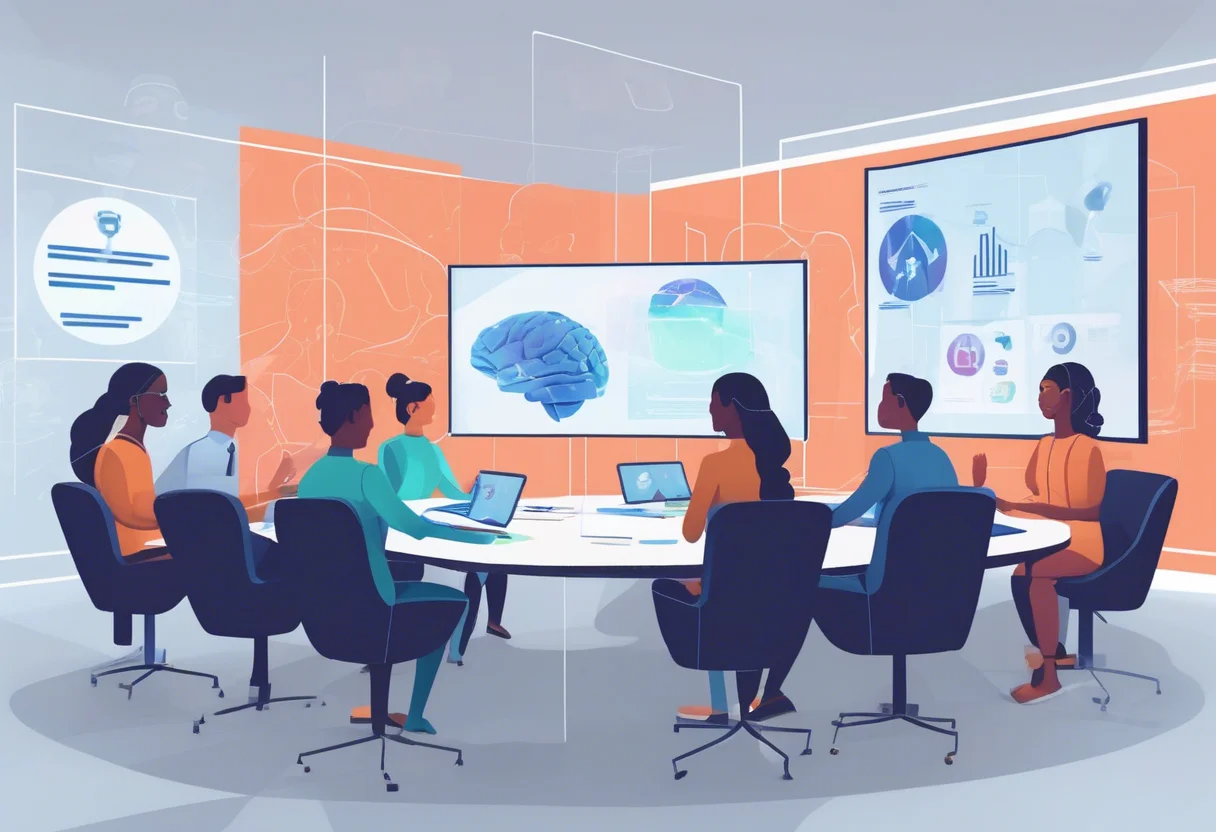
Soft skills are becoming key players in career success. Believe it or not, 85% of job success comes from having strong soft skills, while only 15% is about technical know-how. This shows just how important it is to improve how we interact with others at work. Now, here's something interesting: artificial intelligence is getting involved, changing the way we build these skills. We'll look at how AI is changing the game in soft skills training. We'll cover everything from how AI fits into the picture to real-world uses and ethical questions. This piece will help you understand how to keep your soft skills sharp with AI. Ready to dive in? Let's see what this new world has to offer!
Summary: This article discusses the integration of AI in soft skills training, covering its practical applications, ethical considerations, and strategies for future-proofing training programs. It also includes a section for frequently asked questions to address common concerns and queries.
Understanding Soft Skills Training
Key Components of Soft Skills
Soft skills are the kinds of abilities that enable effective collaboration and interaction with others. These include:
- Leadership
- Communication
- Teamwork
- Problem-solving
- Emotional intelligence
- Time management
- Negotiation
- Presentation skills
These skills facilitate collaboration, communication, and adaptability in the workplace. Unlike technical skills, soft skills are applicable across various roles and industries, making them crucial for harmonious teamwork and career advancement. Employers value employees with robust soft skills as they enhance teamwork, boost productivity, and foster a pleasant work environment.
Skills such as active listening, empathy, and conflict resolution are vital for cultivating a positive company culture and achieving both personal and organizational success. A LinkedIn study highlights a significant demand for communication skills, underscoring the necessity for soft skills training.

Traditional Soft Skills Training Methods
Traditional methods for developing soft skills encompass:
- Team-building classes
- Leadership training
- Communication workshops
- Problem-solving exercises
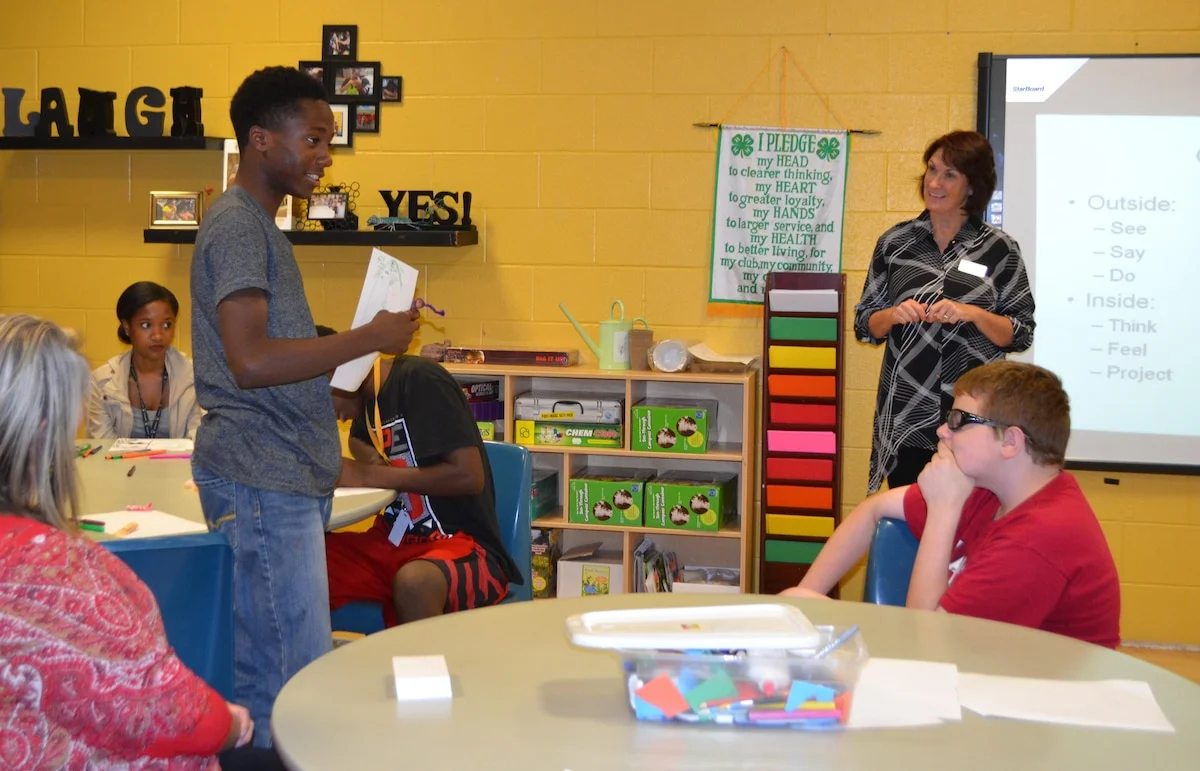
These programs often incorporate role-playing, group discussions, and interactive sessions to nurture skills like active listening and emotional intelligence. Historically, such training was primarily for those advancing to leadership roles, but now it is recognized as beneficial for everyone.
- Workshops and Seminars: Offer opportunities to practice skills in real-time.
- Role-playing Exercises: Allow individuals to enact workplace scenarios and receive feedback, fostering empathy and understanding.
- Mentorship Programs: Provide personalized guidance, enhancing soft skills through observation and feedback.
- Classroom-based Training: Utilizes lectures and group activities to promote learning and discussion among peers.
Despite the rise of digital platforms, these traditional methods remain effective for establishing a solid foundation in essential soft skills. A 2017 study demonstrated that soft skills training could yield a 250% return on investment, affirming its value in professional development.
The Role of AI in Soft Skills Training
AI Enhancing Human Interaction in Soft Skills Training
AI is significantly advancing in the realm of human interaction, particularly in the area of soft skills training. It can simulate real conversations and provide instant feedback, which is essential for developing communication, empathy, and leadership skills. However, it's important to emphasize that AI should enhance, not replace, genuine human interactions.
To ensure fairness and avoid biases or stereotypes, using diverse and inclusive data in AI tools is crucial. Companies like IST Management are leveraging AI to customize soft skills programs, aiding employees in adapting to workplace changes. Their PACE and SMART programs exemplify how AI can concentrate on personal growth and continuous learning.

Personalization and Interactivity in AI-Driven Soft Skills Training
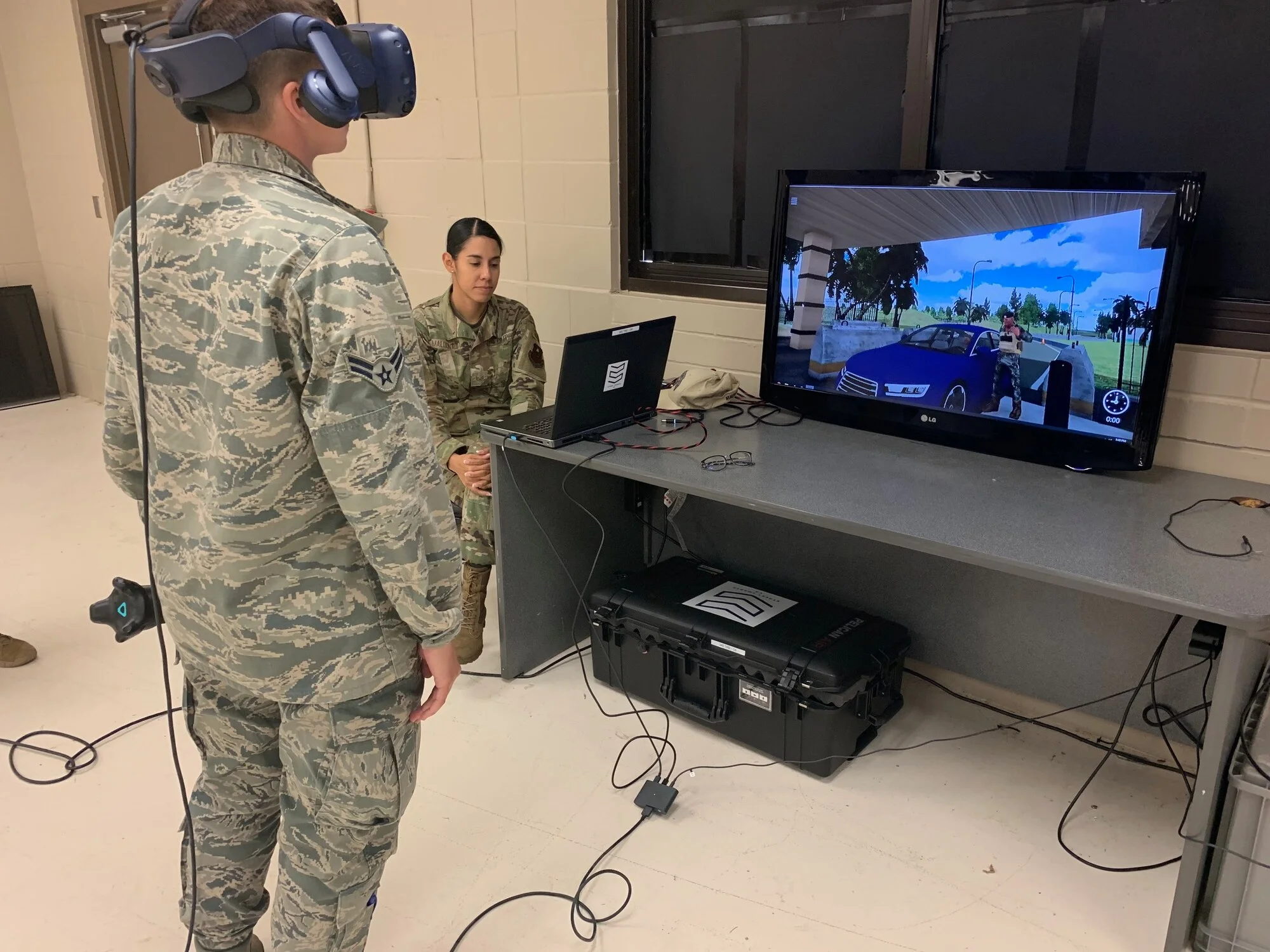
AI excels in personalizing learning experiences, especially in soft skills training. AI-driven platforms can craft immersive, interactive scenarios ideal for developing skills such as communication and teamwork, with a particular impact in healthcare. A notable example is Bodyswaps, which utilizes AI and VR to help students practice conflict management through modules like "Navigating Angry Conversations."
These customizable templates allow trainers to design specific practice scenarios, enhancing engagement and skill retention. Integrating online courses with interactive experiences and live training maintains learner interest and accelerates development by presenting appropriate challenges at the right moments.
Deepbrain AI and AI Studios in Soft Skills Development
While detailed information on Deepbrain AI and AI Studios in the context of soft skills training is limited, AI studios, in general, focus on creating content and experiences that support personalized learning. They can develop simulations and virtual trainers that provide real-time feedback, making soft skills training more effective.
An AI studio might create virtual role-play scenarios that adapt based on a learner's responses, offering personalized coaching for skills like leadership or communication. Platforms such as VirtualSpeech offer AI-powered roleplays and presentations for public speaking and more, boasting a 20% skills improvement in just 30 minutes. With 93% of users recommending it and 95% stating it better prepares them for the real world, AI Studios demonstrate how AI can significantly enhance soft skills training. These tools equip learners with the necessary skills to thrive in a complex, interconnected world.
Practical Applications and Use Cases in Soft Skills Training
Successful AI Integration in Soft Skills Training
AI is revolutionizing soft skills training by making it more personalized and scalable. Consider a US-based customer service company that integrated AI-powered role-playing simulations into their Learning Management System (LMS). This innovation allowed employees to practice challenging customer interactions and receive instant feedback. Within just six months, the company observed significant improvements in customer satisfaction and team collaboration (source).
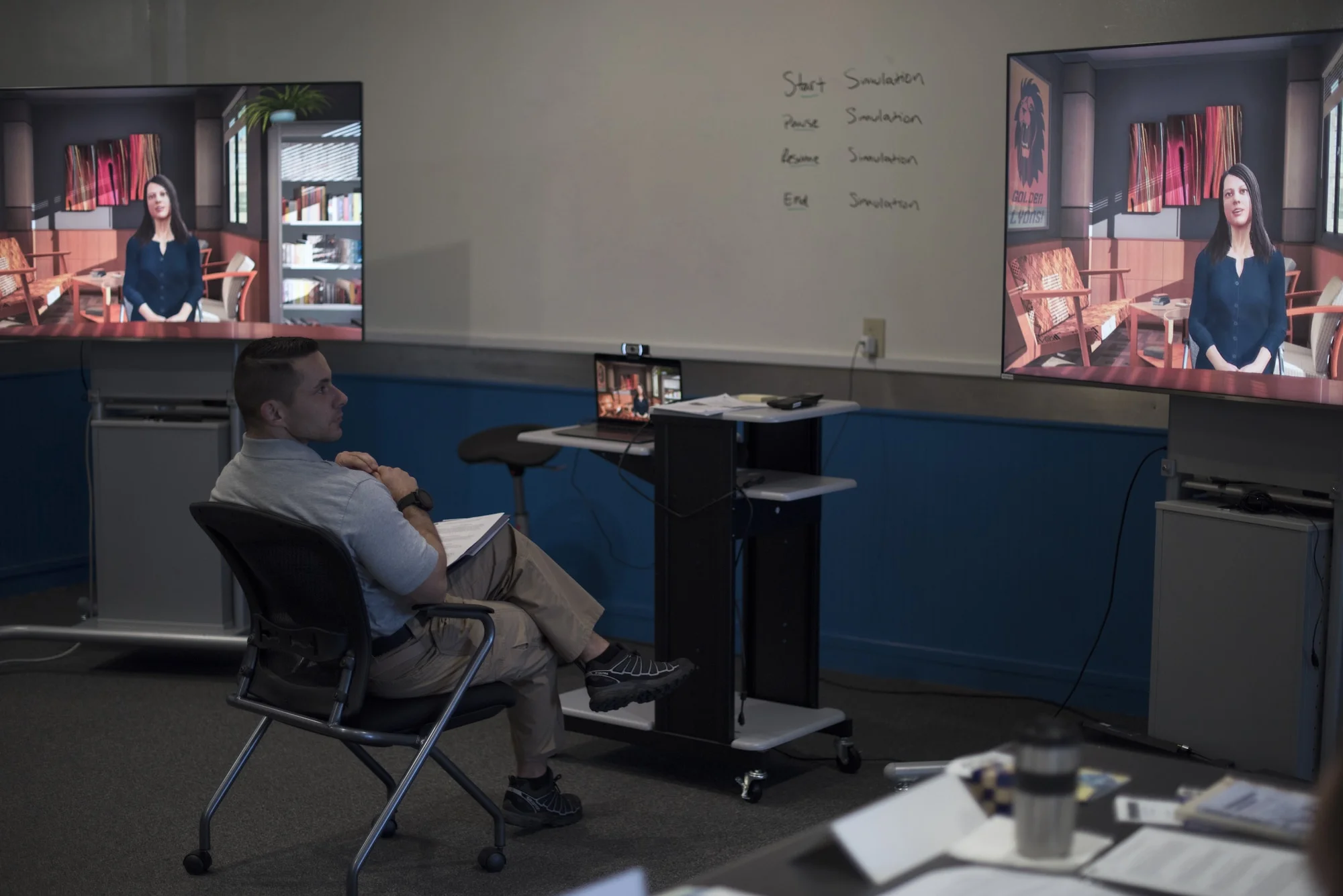
Another success story involves companies leveraging LMS platforms that feature interactive scenarios and simulations with branching logic. These platforms enable employees to hone their soft skills in a risk-free environment, enhancing their problem-solving and communication abilities. Furthermore, instructor-led workshops and live online sessions provide real-time opportunities for soft skills development through group activities and role-playing (source).
AI Tools Enhancing Soft Skills Training
AI tools for soft skills development are becoming increasingly sophisticated. These tools provide dynamic, real-world practice for skills such as communication, empathy, and decision-making through AI-enabled simulations and branching scenarios (source). The incorporation of gamification and story-based learning introduces immersive narratives and challenges that maintain user engagement (source).
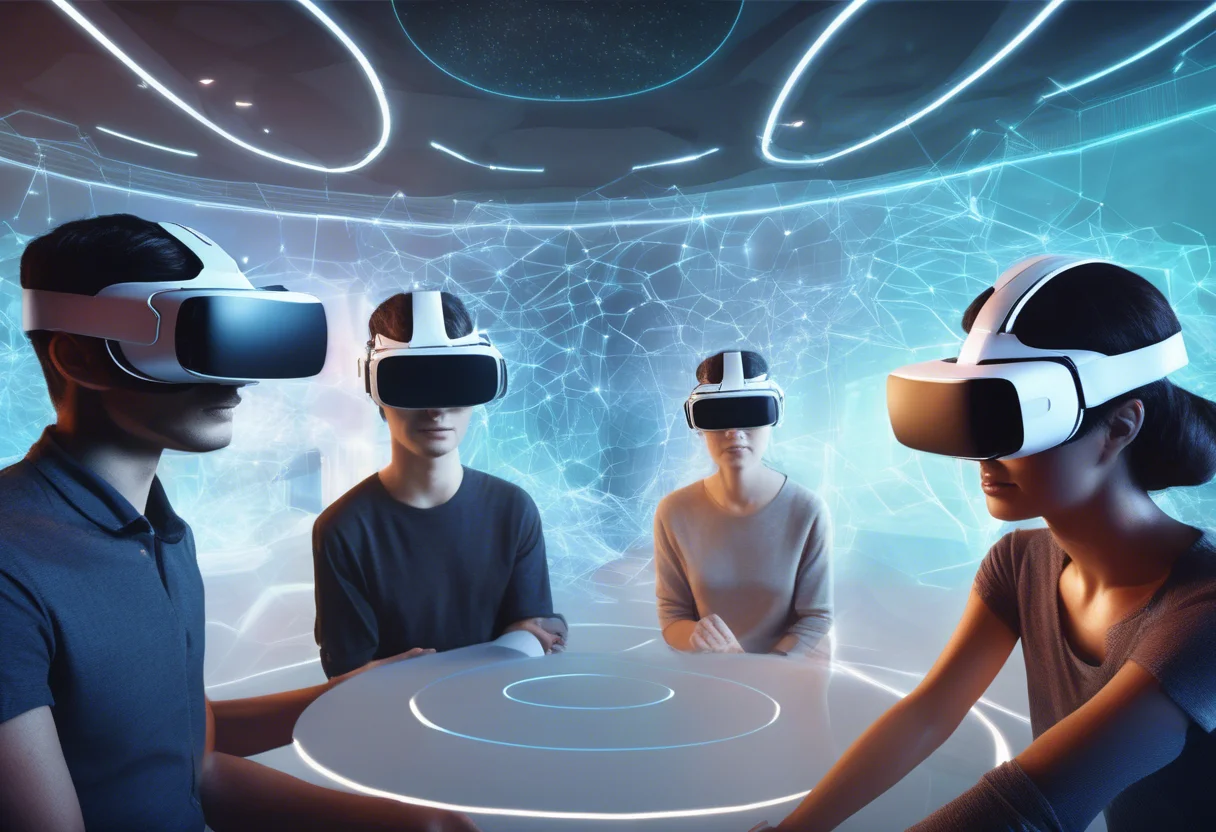
AI-driven feedback delivers personalized coaching, assisting individuals in identifying their strengths and weaknesses for continuous improvement (source). These platforms also monitor progress in real-time and provide tailored recommendations to enhance the effectiveness of training (source). These tools exemplify how AI can deliver personalized, interactive, and effective learning experiences.
Ethical Considerations in AI-Driven Soft Skills Training
Tackling Bias and Ensuring Inclusivity in Soft Skills Training
When it comes to AI-driven soft skills training, tackling bias and ensuring inclusivity are crucial. If AI relies on biased data, it can lead to unfair treatment and discrimination. To prevent this, it's important to keep a close eye on AI learning systems, checking regularly for any biases that might harm certain groups.
Developers and educators need to:
- Understand how biases can enter through training data and model design.
- Build inclusive AI systems that prioritize fairness.
Ethical AI frameworks focus on fairness and nondiscrimination, aiming to achieve equitable outcomes for everyone in educational settings.
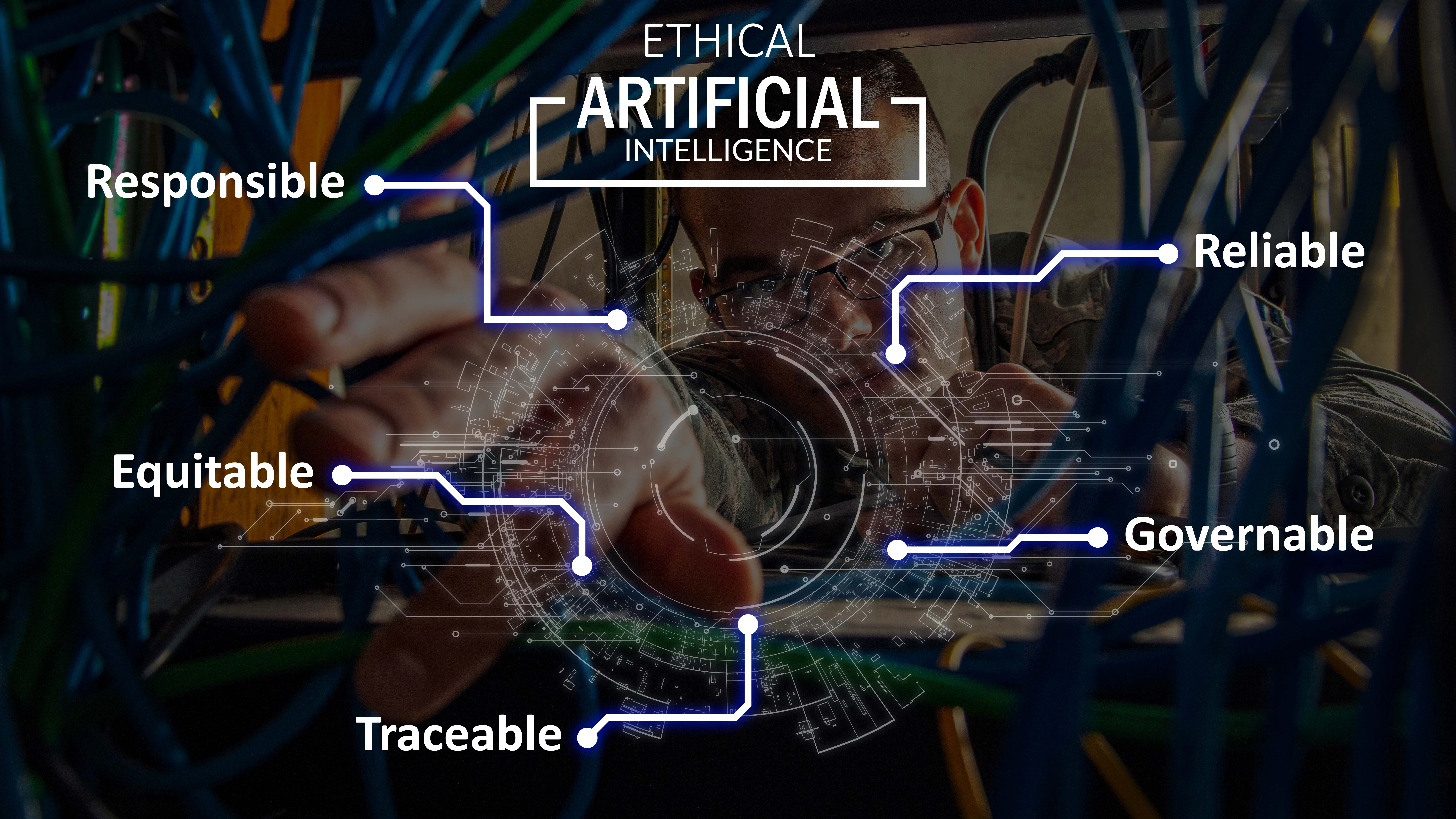
Case in Point: Consider a company in the US utilizing AI for empathy training. They regularly review their AI models to ensure no group is unfairly judged, leveraging diverse datasets and human oversight to maintain inclusivity.
Promoting Transparency and Cultural Sensitivity in AI Training
Transparency in AI involves providing learners with clear information about how AI makes decisions and assessments. This is key to building trust and empowering learners to make informed choices about interacting with AI.
Human Oversight: It's crucial to ensure AI decisions align with human values and respect cultural differences. Ethical guidelines for AI in education, like those from EDUCAUSE, emphasize the importance of enabling individuals to make informed decisions about AI and control their data and learning experiences.
Organizations should:
- Establish ethical policies and committees to oversee AI use.
- Ensure transparency and accountability in AI practices.
Example: A US-based AI-driven soft skills training platform clearly explains AI assessments to learners and allows them to opt out or question AI feedback. This process is supported by an ethics committee dedicated to monitoring AI practices.
Future-Proofing Soft Skills Training with AI
Emerging Soft Skills Needs in AI Era
As AI continues to transform our workplaces, certain soft skills are gaining prominence. Foundational skills such as communication, leadership, empathy, stress management, and conflict resolution are essential for team and organizational success. According to Harvard Business School, these skills lay the groundwork for acquiring advanced professional skills, which are crucial in an AI-driven job market.
In addition to these, new soft skills are emerging. These include:
- Becoming a creator instead of just a doer
- Questioning assumptions
- Cultivating curiosity about processes
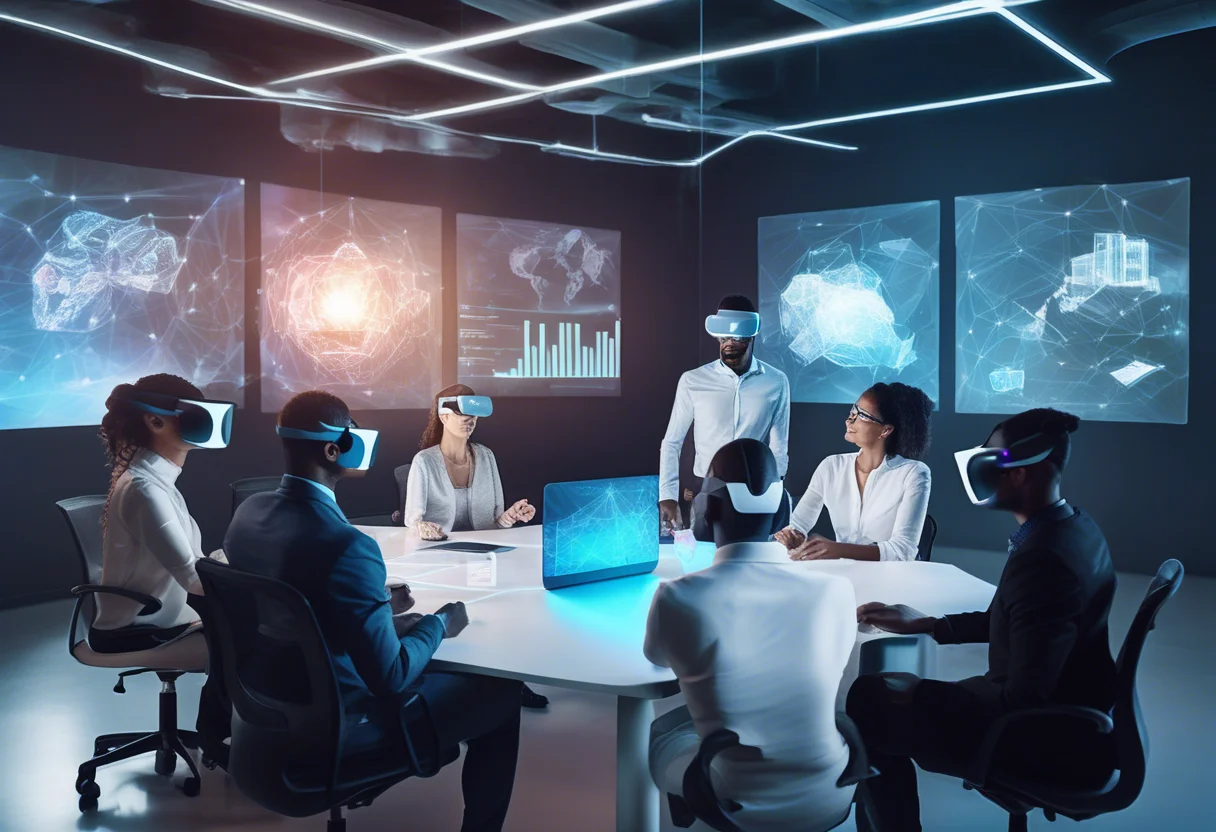
Roles like 'Supermanager' can drive innovation in the AI era, as suggested by Josh Bersin. Consequently, companies might train employees not only in traditional communication and leadership but also in rethinking work processes creatively and leading teams to innovate with AI tools.
AI-Driven Synergy with Soft Skills Training
AI is revolutionizing how we learn soft skills by offering personalized learning paths with quick, relevant feedback, making training more engaging and effective. Didask highlights that AI-powered platforms can tailor scenarios to each learner, providing interactive exercises on conflict resolution while teaching how to collaborate effectively with AI tools.
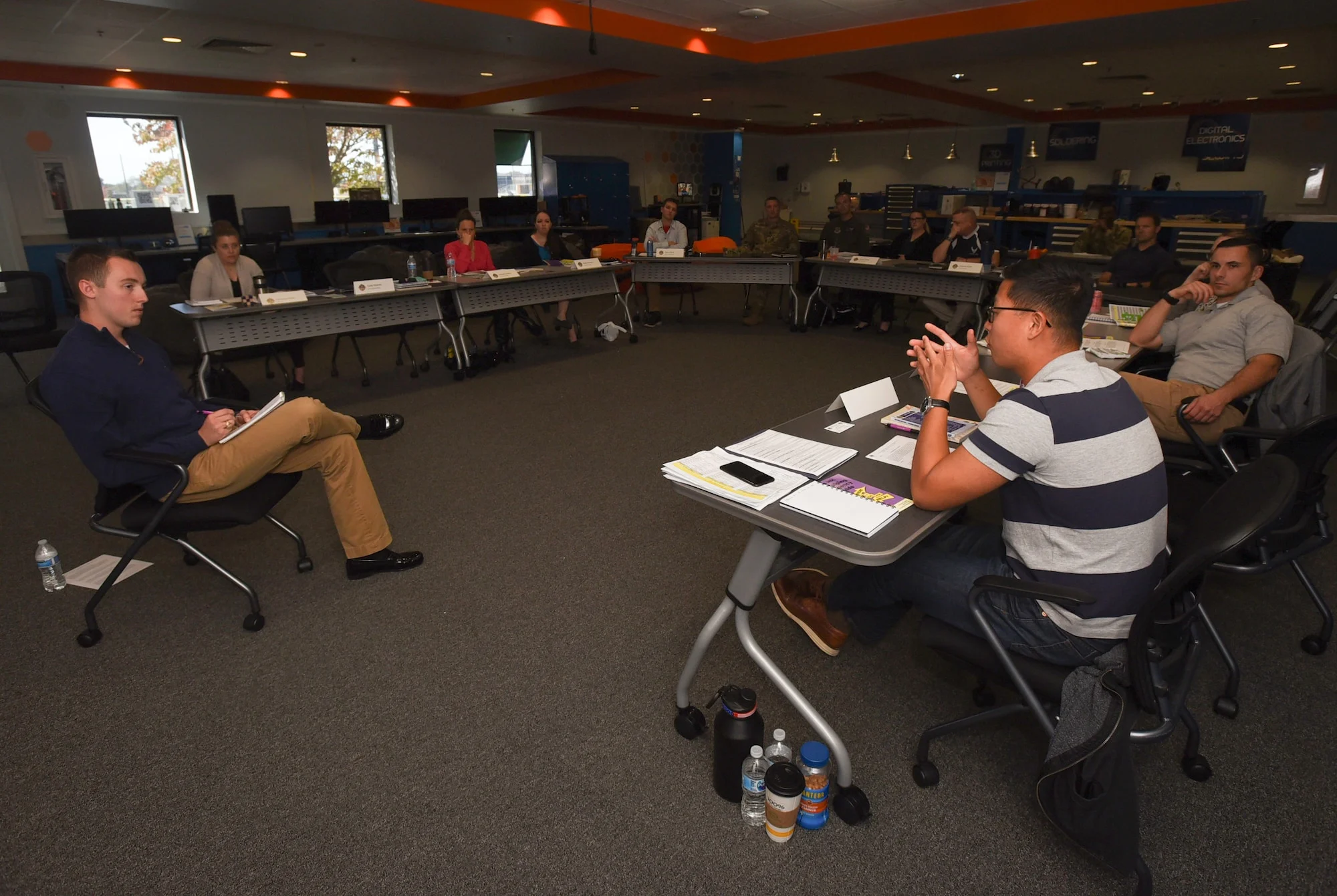
Many employees express a desire for formal training in AI and soft skills to excel in AI-enhanced workplaces. Nearly half of US employees believe that formal generative AI training would enhance their use of AI tools, according to McKinsey. Organizations are investing in AI skills training to build AI fluency, demonstrating the importance of integrating AI technical skills with basic soft skills to remain competitive, as noted by AWS.
FAQs
How Does AI Improve Personalization in Soft Skills Training?
AI significantly enhances the customization of soft skills training. By analyzing surveys and performance data, AI identifies areas where individuals may need additional support. This enables training to be specifically tailored to their needs, ensuring they receive relevant and effective resources.
AI tools also create content that aligns with various learning styles, making the training more engaging and effective. These platforms track learners' progress, provide immediate feedback, and adjust the training to maintain engagement and motivation. In blended learning environments, AI delivers content focused on real-world scenarios and practical applications, offering personalized coaching and feedback.
For instance, an AI-powered Learning Management System (LMS) might assess an employee's communication skills through quizzes and role-play exercises, then recommend workshops, e-learning modules, or mentoring opportunities based on their results and preferences.
Ethical Considerations of AI in Soft Skills Training
Integrating AI into soft skills training raises important ethical questions. Transparency is crucial when it comes to how AI collects and uses personal data during skill assessments and training. Companies must ensure that employees are fully informed about the handling of their data.
Avoiding bias in AI is another critical issue. Algorithms should not unfairly judge or restrict training opportunities based on an individual's background or behavior. Developers must focus on minimizing bias in AI models.
Protecting employee privacy and data is paramount when AI systems manage sensitive information. Ethical AI usage involves balancing technological capabilities with human oversight to ensure coaching remains empathetic and context-aware, rather than purely automated. This balance requires blending AI insights with human mentoring to maintain fairness and privacy.
Comparing AI and Traditional Methods in Soft Skills Training
AI revolutionizes traditional soft skills training by making it more scalable, flexible, and personalized. Unlike conventional one-size-fits-all workshops or instructor-led sessions, AI offers ongoing, personalized feedback and adaptive learning paths.
Traditional methods, such as role plays and live workshops, are excellent for real-time interaction and feedback. However, AI adds value by providing continuous updates and improvements through progress tracking and engagement monitoring. The combination of AI-driven digital content with live practice and coaching results in superior soft skills development compared to either method alone.
While traditional training may adhere to scheduled sessions, AI adapts and offers feedback in between, making skill improvement more measurable and flexible. This integration of AI and traditional methods delivers a comprehensive approach to soft skills training.
Resources like Highspot, TrainerCentral, and MyQuest provide insights into AI's role in soft skills training. Additionally, GCS Agents and HSI offer examples of scalable and ethical training practices.