

The digital world is changing fast, and AI is playing a big part in how leadership will look in the future. Did you know 85% of executives think AI will really change their businesses by 2025? We're at the start of a new era, and AI's role in leadership isn't just a maybe—it's happening. AI is going to change how leaders make decisions and come up with new strategies. So, what does this mean for today's leaders? How can they use AI to not just survive but lead with vision and flexibility in this new world? Let's explore how AI is affecting leadership, looking at the challenges, the opportunities, and how we can create a future where human smarts and AI work together.
Summary: This article discusses the transformative impact of artificial intelligence on leadership, highlighting how AI technologies are reshaping decision-making processes and leadership strategies. It also addresses frequently asked questions about AI's role in modern leadership.
The Transformative Role of AI in Leadership
AI Integration in Leadership: Key Insights
AI is transforming leadership by making it more accessible and data-driven. This transformation occurs when AI tools collaborate with traditional coaching, enabling leaders to make smarter decisions with comprehensive data at their fingertips. However, many organizations still use AI in isolated ways, missing out on its full potential.
The true power of AI lies in its ability to transform leadership when integrated into the entire strategy, not just for automating tasks. This comprehensive approach enhances productivity and keeps leaders engaged. To fully leverage AI, it's crucial to rethink human-AI collaboration, aligning technological capabilities with strategic goals. By doing so, leadership development becomes not only efficient but also aligned with long-term plans.

Strategic Decision-Making Enhanced by AI
AI is a game-changer for strategic decision-making, allowing leaders to swiftly tackle complex data. It's vital for leaders to understand how AI can enhance human creativity and decision-making. Companies that thrive with AI trust its insights over gut feelings and invest in change management and training.
For successful AI adoption, leaders must engage with the technology and comprehend its role within their organization. Consider IBM, for instance—they revamped HR with AI, turning initial hurdles into high employee satisfaction. By embedding AI into strategies, leaders ensure decisions are precise and data-driven, leading to improved outcomes.
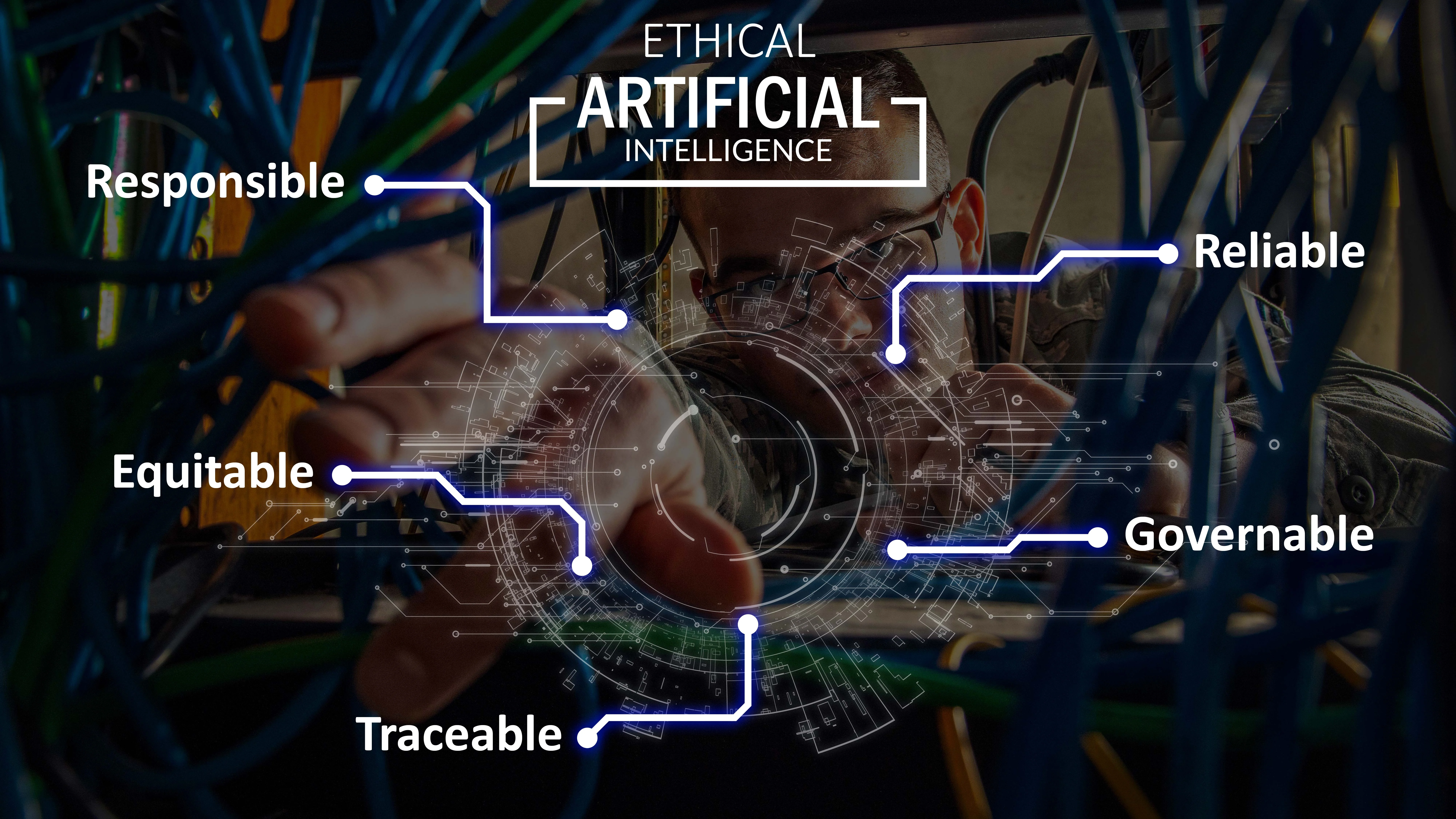
AI's Influence on Evolving Leadership Styles
AI is nudging leaders away from rigid hierarchies towards more collaborative styles. Leaders now focus on enhancing human skills that machines can't match. Embracing an AI mindset and developing AI-specific skills are essential. Leaders need confidence in an AI-driven world, gaining skills like AI fluency and emotional intelligence.
This shift ensures leaders are flexible, experimental, and ready to handle AI's complexities. By fostering a culture of innovation, leaders can encourage AI experimentation and view failures as learning steps.
Overcoming Organizational Challenges in AI Leadership
Implementing AI isn't without challenges. Frequently, AI projects encounter roadblocks due to poor coordination, redesign issues, and lack of training. Without senior backing and clear scaling paths, AI efforts can falter.
Successful AI adoption requires collaboration between top executives and IT, avoiding isolated AI attempts. Companies with cross-functional committees and leaders using AI tools see better results. Addressing these challenges ensures AI efforts align with strategic goals and deliver real value.
Empowering Midlevel Leaders in AI Transformation
Midlevel leaders are crucial for AI success in organizations. They implement AI strategies by integrating AI into their routines and team processes. These leaders bridge the gap between AI capabilities and real-world execution. By embedding AI into daily operations, midlevel managers promote wider adoption. Empowering them to lead AI initiatives makes transitions smoother and integration more effective.
Essential Leadership Skills for an AI Future
As AI becomes more prevalent, leaders need new skills to keep pace. Leadership development should focus on building AI knowledge, fostering an AI-first mindset, and honing specific skills. Effective AI leadership requires business acumen, emotional intelligence, and the ability to unite teams.
Organizations can invest in leadership journeys that emphasize AI literacy and collaboration. By staying open to new tools and methods, leaders can navigate AI's challenges and opportunities.
Frameworks for Effective AI Leadership Integration
For AI to seamlessly integrate into leadership, organizations need practical frameworks. Successful AI transformation involves visible leadership and top-down alignment. Creating cross-functional committees and embedding AI goals into objectives helps scale efforts.
Leaders who use and support AI tools demonstrate its importance. For instance, Coursera's CEO initiated a company-wide AI initiative, embedding AI goals across departments and encouraging open dialogue. Following these frameworks ensures a systematic approach to AI in leadership.

In summary, AI is reshaping leadership by enabling more data-driven decisions and enhancing human capabilities. Leaders need emotional intelligence, continuous learning, and interpersonal skills to thrive in this AI-enhanced world. While AI can handle routine tasks and offer insights, it cannot replace human qualities like trust-building and ethical decisions. The future of leadership lies in blending AI with human strengths, where AI manages data tasks and humans bring empathy and critical thinking to the table.
FAQ Section
How Can Leaders Integrate AI into Leadership Decision-Making?
To integrate AI effectively, leaders should start with clear goals. These goals must align with the team's objectives to ensure AI efforts have a purpose that contributes to organizational success. For instance, AI can streamline customer service by assigning tasks based on team strengths and maintaining regular check-ins. In one case, a leader achieved a 35% boost in response times using this method.

Incorporating AI requires a leadership style that leverages everyone's strengths while maintaining clear accountability. This is crucial, especially for cross-departmental AI projects. Regular updates and open communication are vital to track progress and adjust strategies as needed. Leaders should also foster innovation and ensure AI initiatives align with organizational goals, as highlighted by Clevry.
Key Leadership Challenges in AI Adoption
Leaders encounter several challenges when adopting AI. A significant hurdle is managing team dynamics and communication across departments with differing priorities. Poor management can hinder AI adoption, so leaders need strong conflict resolution skills and emotional intelligence to manage team resistance effectively.

Another challenge is ensuring teams are on board with AI changes, especially when new skills or workflow adjustments are necessary. Leaders should address concerns openly and offer training to build confidence in AI tools. Additionally, they must ensure data quality, security, and seamless integration of AI insights into existing workflows, as noted by Simplilearn.
Handling resistance is crucial. Leaders should encourage open discussions, identify root causes of resistance, and develop plans that maintain team dynamics and meet deadlines. For example, a leader who mediated team disagreements on AI priorities devised a plan that kept the team united and on schedule.
Strategies for Midlevel Leaders to Promote AI Transformation
Midlevel leaders play a crucial role in promoting AI adoption and transformation. They can motivate teams through recognition, growth opportunities, and clear objectives linked to AI projects, such as setting SMART goals (Specific, Measurable, Achievable, Relevant, Time-bound) to track progress and delegate tasks effectively. By doing so, midlevel leaders can influence without formal authority. For instance, one midlevel leader identified a data issue affecting forecasts and convinced a senior director with a focused presentation on AI solutions, leading to process improvements and building trust across departments.
Midlevel leaders should also create concise, impactful presentations to demonstrate AI's value and encourage stakeholder adoption. Promoting ongoing learning and providing resources to develop AI skills within teams are essential strategies. Encouraging collaboration and addressing resistance through training helps build confidence in AI tools, as Coursera suggests aligning AI projects with personal career goals and promoting collaboration to drive AI transformation.
By championing AI and advocating for resources and support from top management, midlevel leaders can drive meaningful change and prepare their teams for future success. This includes securing funding for AI projects and ensuring access to the necessary tools and technologies. Their efforts in fostering a culture of innovation and collaboration are vital for successful AI adoption and transformation within their teams.