

Imagine your voice as the key to smooth communication on every platform, making it easy to connect humans and technology. We're on the brink of big changes, and AI and voice tech are leading the way. By 2025, it's expected that 75% of households will use voice technology. That's a huge shift, showing how fast this tech is growing. In this article, we'll look at how AI and voice tech are changing how we communicate. We'll cover industry uses, future trends, and ethical questions. So, let's dive into how AI and voice tech will change how we talk and connect in the years ahead!
Summary: This article describes the evolution of AI and voice technology in communication, exploring industry-specific applications and future trends while addressing ethical considerations. It provides insights into the impact of these technologies on various sectors and answers frequently asked questions.
Evolution of AI and Voice Tech in Communication
Rise of AI and Voice Tech in Conversational AI
Conversational AI has evolved significantly since the 1960s, starting with simple programs like ELIZA. Today, it is powered by machine learning and deep learning, enabling AI to understand context and conduct more natural conversations. Neural networks have been transformative, allowing AI to learn from vast datasets. This evolution means AI is no longer just about following rules but also about recognizing patterns and making informed decisions.
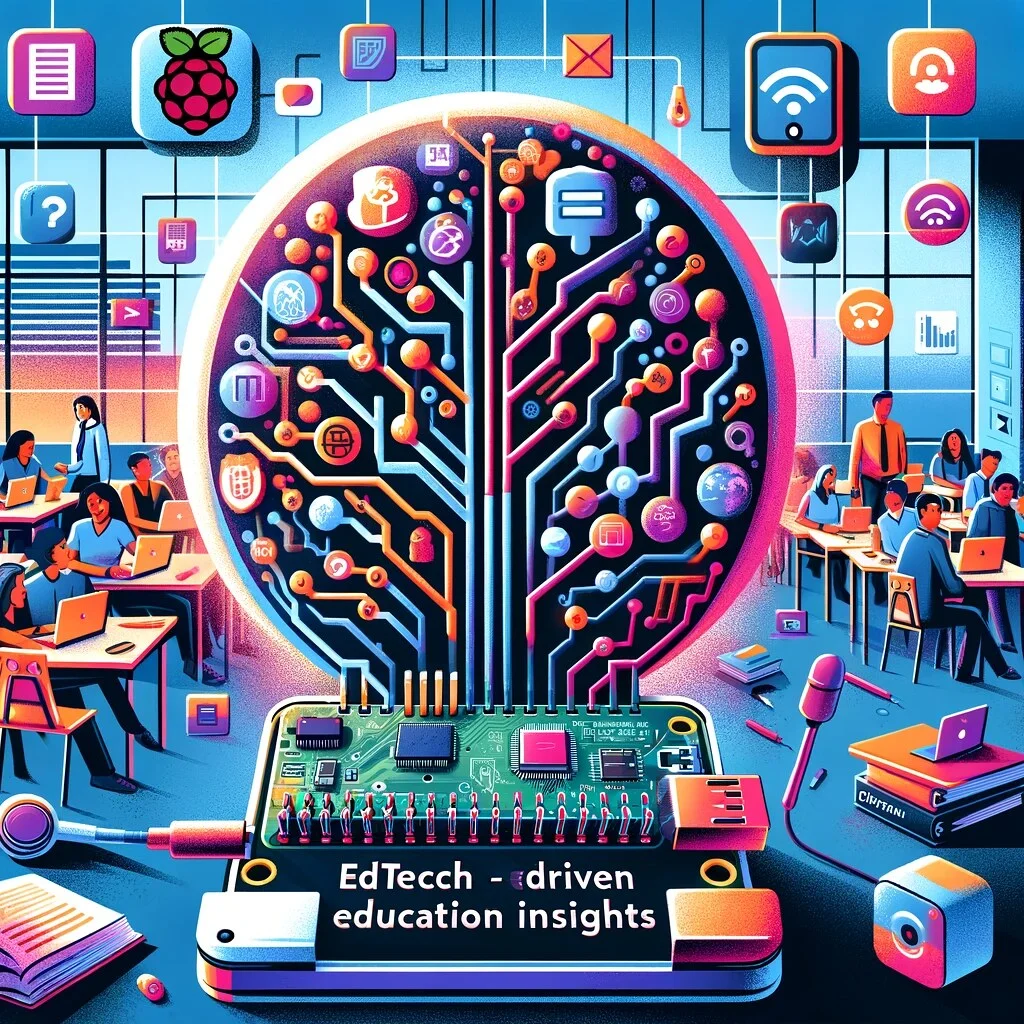
Key milestones in this journey include the introduction of voice assistants like Siri in 2011, Alexa in 2014, and Google Assistant in 2016. These innovations brought voice AI to the masses, enhancing the understanding of context.
Large language models, such as OpenAI’s GPT series, have propelled conversational AI to new heights. They facilitate more nuanced and relevant interactions, setting a new standard. Industries like customer service, healthcare, and education are experiencing significant transformations, thanks to the instant, personalized responses these models provide.
Multimodal AI Bots: Voice, Vision, and More
Today's conversational AI integrates voice, vision, and text to create richer interactions. Voice AI has transitioned from robotic tones to lifelike voices, thanks to neural networks and extensive training data. Now, these voices sound almost human, complete with natural pauses and emotional nuances. Platforms like Podcastle and Elevenlabs use these voices in podcasts, audiobooks, and more.
Incorporating vision into AI systems has expanded their capabilities. In retail, AI assists with visual searches, allowing users to find products by uploading images. In the automotive industry, AI monitors driver alertness to prevent accidents. Multimodal bots also enhance accessibility for individuals with disabilities, enabling effective engagement with technology through voice commands paired with visual outputs.
Real-time AI and Emotional Intelligence in Communication
Real-time conversational AI now supports seamless interactions, managing follow-up questions while maintaining context. This advancement makes conversations feel more natural. AI models now possess emotional intelligence, detecting and responding to user emotions for more empathetic interactions. Businesses employ AI voice agents and SMS chatbots to automate customer engagement with real-time, emotionally aware conversations, enhancing efficiency.

Emotional intelligence in AI is revolutionizing customer service. By detecting emotions through voice and facial cues, businesses can tailor their responses, offering empathy and support, which boosts satisfaction and loyalty. In mental health, AI can identify signs of stress or anxiety, providing timely assistance or directing users to professionals.
This real-time emotional intelligence also enhances personal assistants, making them more relatable and effective. By understanding moods, they can offer personalized suggestions, like a calming playlist after a tough day or planning a relaxing getaway.
In short, the evolution of AI and voice technology is transforming our interactions with machines. With advances in conversational AI, multimodal capabilities, and emotional intelligence, we are witnessing more innovative and empathetic ways for technology to assist and connect with us.
Industry-Specific Applications of AI and Voice Tech
Transforming Healthcare with AI and Voice Tech
AI and voice technology are revolutionizing healthcare by transforming how doctors interact with patients and manage administrative tasks. One significant advancement is the introduction of AI medical scribes that document patient visits in real-time. This innovation reduces the paperwork burden on doctors and enhances the accuracy of electronic health records (EHRs). By minimizing time spent on documentation, healthcare providers can dedicate more attention to patients, thereby improving the quality of care.

Voice systems are also innovating patient check-in and triage processes. They efficiently capture symptoms and assess the urgency of cases, ensuring patients receive the appropriate care promptly. Additionally, AI voice technology is pivotal in managing chronic conditions by providing daily reminders and check-ins for conditions like diabetes or hypertension. This support helps patients adhere to treatment plans and manage their health more effectively.
Voice assistants further assist older or home-bound individuals by reminding them about medications, scheduling doctor visits, and conducting wellness checks. This engagement ensures continuous care. Hospitals utilize these assistants to assist patients in symptom checking, medication reminders, and appointment scheduling, reducing administrative tasks and allowing doctors to spend more time with patients.
Enhancing Business Communication with AI-Powered VoIP
AI-powered VoIP is revolutionizing business communication by enhancing call center efficiency and automating customer service. AI voice agents provide 24/7 support that is both accurate and cost-effective, significantly improving customer service quality. Companies like Smith.ai offer these VoIP solutions to small and medium businesses, accelerating response times and reducing costs. This automation streamlines operations and ensures consistent customer support.
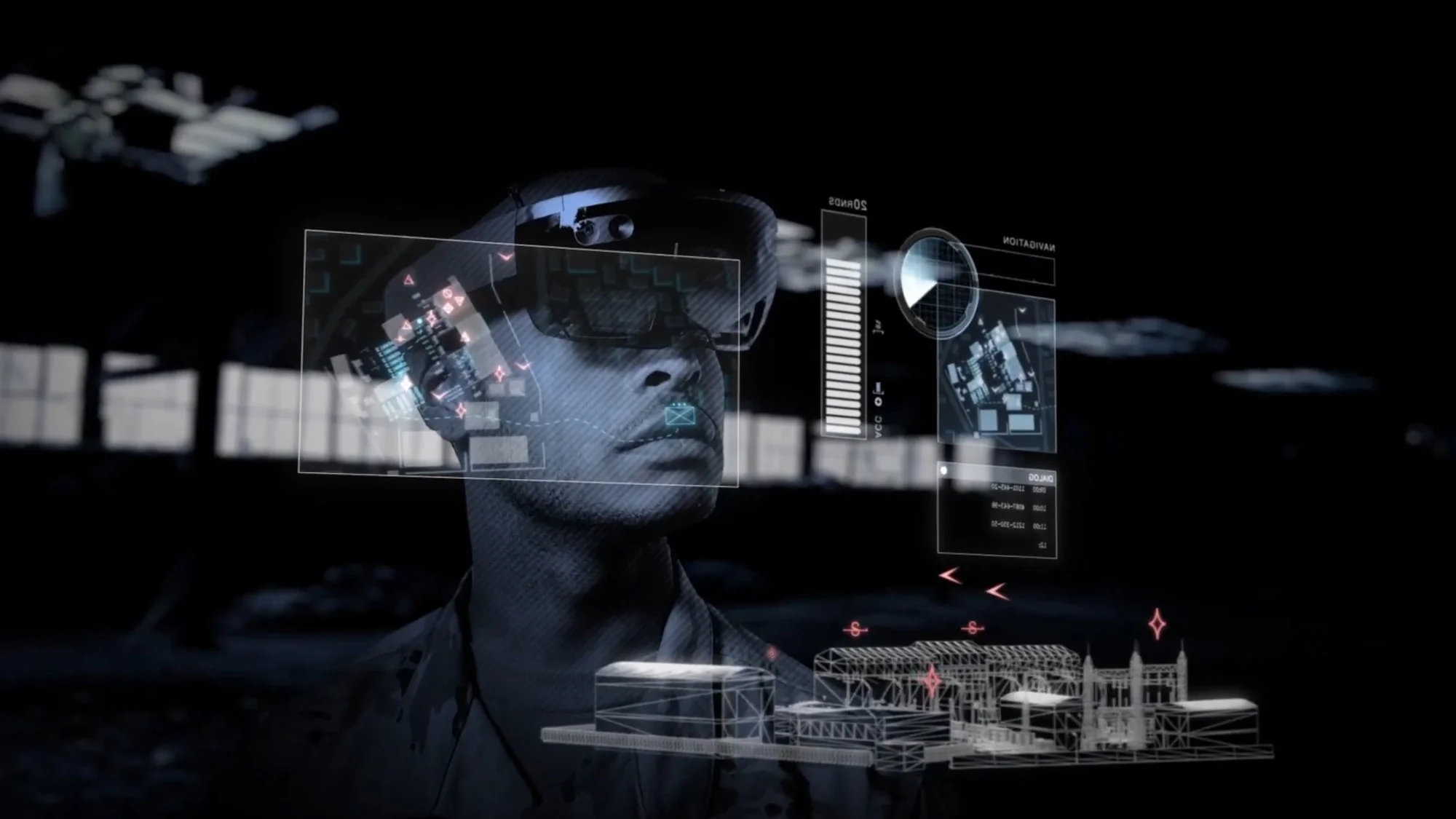
VoIP systems also enhance security with voice biometrics, which authenticate users through their unique vocal characteristics. This reduces reliance on passwords and PINs, offering a more secure user authentication method. For example, HSBC employs voice recognition for secure account access, verifying identity through voiceprints based on pitch, tone, and speech patterns, ensuring safe and seamless customer interactions.
Personalization and Multilingual AI Voice Capabilities
AI voice technology excels in delivering personalized and multilingual experiences. It supports real-time translation, enabling businesses to effectively serve a diverse clientele. This capability is crucial in global markets where overcoming language barriers is essential. AI voice systems also provide personalized interactions by analyzing user preferences, enhancing user engagement. For instance, personalized AI voice assistants can send tailored reminders, health plan support, and voice surveys to engage users based on their needs.
In educational settings, AI voice guides learners through complex tasks with instructions that adapt to their progress and pace. This personalization enhances the learning experience and ensures users receive the necessary support. Multilingual features also improve accessibility for diverse groups, including older adults, non-native speakers, and individuals with cognitive challenges, ensuring inclusive communication.
AI and voice technology are making significant impacts across various sectors. In healthcare, they automate documentation and enhance patient interaction; in VoIP, they improve customer service and security with AI voice agents and biometrics; and in personalization and multilingual capabilities, they enable adaptive training and inclusive communication. As these technologies continue to evolve, their potential to transform industries and enhance communication is immense.
For more on AI and voice tech applications, check out Markovate, MaestroLabs, and Speechmatics.
Future Trends and Ethical Considerations in AI and Voice Tech
Evolving Dynamics of Human-AI Collaboration
Voice AI is rapidly evolving into a partner that truly understands you—your habits, context, and even your mood. It's transitioning from merely executing commands to engaging in genuine conversations. Consider device continuity as an example: you might initiate a conversation on your smartwatch and seamlessly continue it on your smart speaker at home. This technological advancement allows voice AI to handle complex tasks, such as addressing FAQs or managing detailed orders, significantly enhancing customer service and sales support.

Moreover, Voice AI is improving in its ability to discern your intent, context, and vocal tone. With advancements in natural language processing, these systems can retain details about you, anticipate your needs, and comprehend more natural, multi-word phrases. As a result, voice AI is not only sounding more human but also becoming smarter and more user-friendly, facilitating interaction across various devices.
Ethical and Privacy Concerns in AI and Voice Tech
With these advancements come significant ethical and privacy considerations. Biometric voice recognition is a critical topic because it secures devices by identifying your unique voice. However, it also raises concerns about data security and consent. How can we ensure that voice profiles are not misused? The collection and use of such sensitive data necessitate robust encryption and explicit user consent to maintain security.
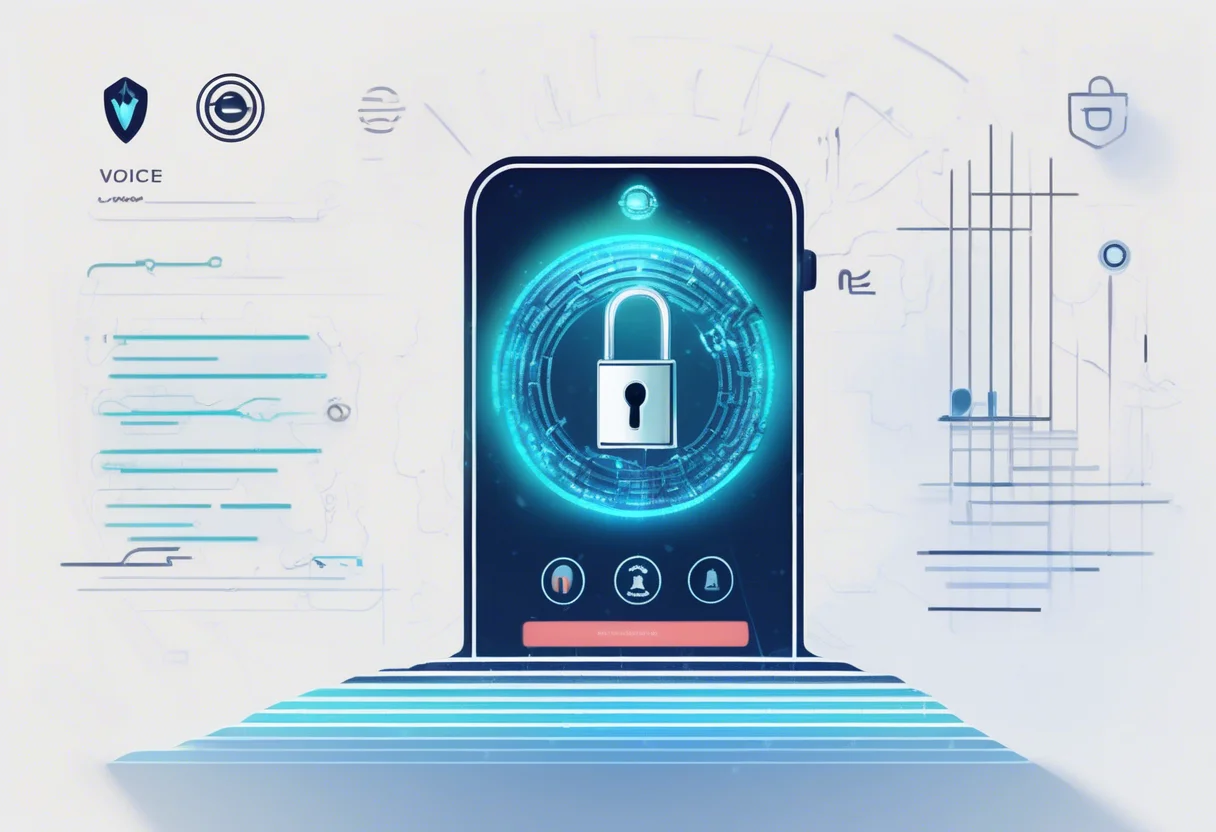
As AI voice agents become more prevalent in customer service and other sectors, transparency about how voice data is used and stored is paramount. It's essential to ensure these systems do not perpetuate biases and respect user choices, providing equitable access across different languages and communities. As voice AI becomes more autonomous, safeguards must be in place to keep users in control.
To address these challenges, it's crucial to obtain clear consent, label synthetic voices, and establish ethical guidelines around consent, data security, and misuse prevention. Collaborative efforts across the industry and robust regulations can help protect ownership rights and prevent issues such as deepfakes, identity theft, and misinformation. Secure data handling and reducing bias in voice datasets are vital for responsible progress and privacy protection.
For more on these developments, explore MaestroLabs, Deepgram, and Kits.ai.
FAQs
Impact of AI-Driven Real-Time Language Translation on Global Business
AI-driven real-time language translation is revolutionizing global business communication by dismantling language barriers and facilitating smoother interactions. This technology leverages natural language processing (NLP) and machine learning to swiftly interpret and translate both spoken and written words. As a result, businesses can seamlessly connect with partners, clients, and employees worldwide without the need for human translators.
For instance, during video calls, multinational companies utilize this technology to enable participants from diverse linguistic backgrounds to communicate effortlessly, thereby enhancing efficiency and inclusivity.

With the integration of AI voice recognition and synthesis, conversations become more natural and human-like. This advancement is crucial for eliminating language obstacles in global business, expediting decision-making, minimizing misunderstandings, and fostering better collaboration among international teams. By allowing individuals to converse in their native languages, AI translation tools significantly reduce the risk of misinterpretation, leading to improved teamwork and a more welcoming environment.
Benefits of AI Agents in Customer Service Models
Incorporating AI agents into traditional customer service models offers numerous advantages for both customers and employees. AI agents, such as chatbots and virtual assistants, can manage a large volume of customer inquiries simultaneously, providing quick and accurate responses to common questions. This allows human agents to focus on more complex issues, thereby increasing efficiency and accelerating response times—essential factors for maintaining customer satisfaction.
AI integration in customer service ensures 24/7 assistance. With voice assistants and chatbots understanding natural language and context, customers can receive support anytime, anywhere. This capability is particularly beneficial for businesses with a global audience. Additionally, AI helps reduce operational costs by automating routine tasks, decreasing the need for a large human support team. The combination of financial savings and enhanced service efficiency makes AI an intelligent choice for businesses aiming to streamline customer service.
Furthermore, AI agents provide valuable insights from customer interactions, enabling businesses to enhance and personalize their services. This data-driven approach allows companies to tailor their services to meet individual needs, thereby boosting overall service quality and customer satisfaction.
Transforming Technology Interaction with Multimodal Bots
Multimodal bots are transforming our interaction with technology by offering more flexible and engaging interfaces. These bots utilize voice, text, images, and other input/output methods, allowing users to switch between modes based on their preferences. This adaptability makes interactions feel more natural and human-like.
With multimodal bots, users can interact with devices through speech, text, or visual inputs. This flexibility caters to diverse user preferences, making technology more user-friendly and intuitive. Imagine a smart home assistant that responds to voice commands, displays information on a screen, and acknowledges gestures. It provides multiple interaction methods, whether you're hands-free or in a noisy environment.
By employing AI and natural language processing, multimodal bots can comprehend and integrate inputs from various channels, delivering more accurate responses. Companies like LivePerson and Nuance are already developing these solutions to enhance customer engagement. As this technology advances, we can anticipate a more inclusive digital world that accommodates individuals with different abilities or in various settings where one mode might be more effective than another.