

Picture a future where your voice isn't just heard but truly understood. Leaders can communicate with clarity and empathy, all thanks to voice tech. As 2025 approaches, this isn't just a dream—it's happening. Studies show that by 2025, 75% of businesses plan to use advanced voice technology in their communication strategies. This change might just reshape how leaders connect with their teams, encouraging inclusivity and innovation. But how can voice tech actually enhance leadership communication? Let's break it down step-by-step. We'll see how this technology can make your leadership communication not only effective but also inspiring. So, let's explore the possibilities that lie ahead!
Step-by-Step Guide to Enhancing Leadership Communication with Voice Tech in 2025
Identify Communication Needs and Goals with Voice Tech
Understanding what you need from communication and what you aim to achieve is key. Leaders should focus on personal connections to build strong, innovative teams. This might mean breaking down language barriers or using real-time multilingual support to engage a global audience.
For example, a CEO might use voice technology for real-time translation in international meetings to boost cross-cultural communication. Set clear goals, like improving team collaboration or response times, to choose the right voice tech tools and measure their success.
Select the Right Voice Technology Tools
Choose AI Voice Assistants and Speech-to-Text for Effective Communication
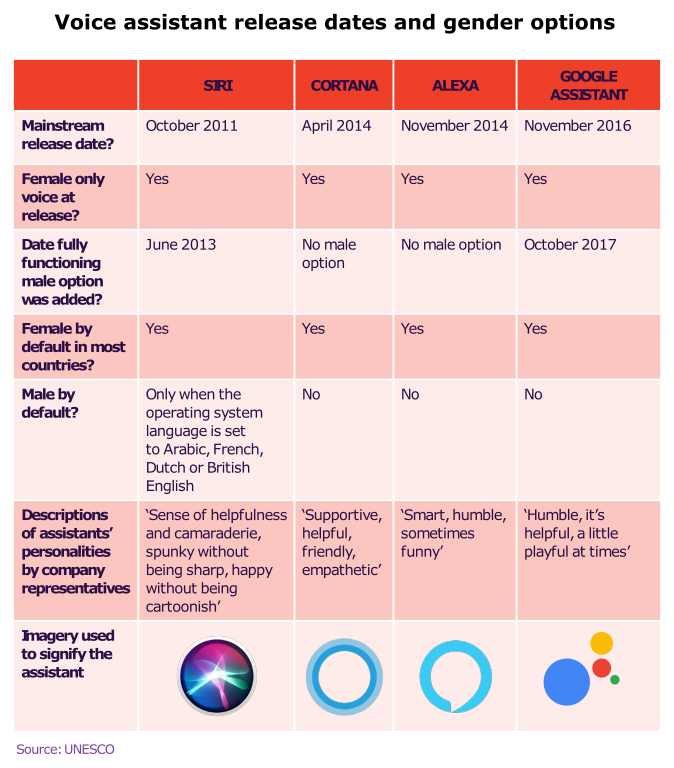
Picking the right tools is crucial. Companies like Google and Microsoft offer advanced voice recognition software that can transcribe and translate in real time, smoothing out communication. These tools can help with tasks like scheduling, reminders, and research.
For documentation, consider using speech-to-text software like Otter.ai or Dragon NaturallySpeaking. Check each tool for ease of use, compatibility, and integration capabilities. Multilingual features are a must for global teams.
Ensure Multilingual Capabilities in Voice Tech Tools
In a global business environment, multilingual communication is essential. AI-driven translation tools with voice tech can break language barriers in global teams. Tools like Microsoft Translator or Google Translate can offer real-time translation, enhancing clarity and inclusivity. This inclusivity strengthens global collaboration and understanding.
Integrate Voice Assistants for Automating Routine Tasks
Optimize Scheduling and Inquiries with Voice Commands
By 2025, AI is expected to automate repetitive tasks, freeing employees to focus on strategic work. Voice assistants can handle scheduling and common inquiries, boosting efficiency and freeing leaders' time for more important communication. This saves time and reduces the mental load of task management.

Tasks like setting up meetings or sending reminders become simple with voice commands.
Enhance Focus on Strategic Communication
With routine tasks automated, leaders can zero in on strategic communication. Voice tech helps with preparing for meetings, crafting messages, and engaging stakeholders. By offloading mundane tasks, leaders can focus on critical thinking and strategic planning.
Leverage Voice-Activated Data Access and Analysis
Streamline Data Retrieval and Analysis with Voice Commands
Voice tech can change how leaders access and analyze data. Voice commands make data retrieval and analysis quick, aiding decision-making in meetings. Tools like IBM Watson or Tableau can be integrated with voice assistants to facilitate this, allowing leaders to ask questions and get data-driven answers instantly.

Implement Voice-Driven Dashboards for Business Insights
Voice-driven dashboards offer hands-free insights, boosting multitasking and responsiveness. These dashboards let leaders explore business metrics interactively. This approach not only improves efficiency but also helps leaders make informed decisions quickly. Implementing these requires working with IT to ensure smooth integration with existing systems.
Enhance Multilingual Communication with Real-Time Translation
Utilize AI-Driven Translation for Global Team Communication
Real-time translation is crucial for global teams, allowing seamless communication across languages. AI-driven tools like Google Translate or DeepL can be integrated with voice assistants for instant translations. This ensures everyone can contribute, fostering a collaborative environment and team cohesion.

Foster Inclusivity in Leadership Dialogues
Using real-time translation in leadership dialogues promotes inclusivity. Leaders can engage with diverse teams without miscommunication fears. This enhances understanding and shows a commitment to diversity. By using voice tech for translation, leaders can build stronger, more cohesive teams aligned with organizational goals.
Adopt Speech-to-Text Applications for Efficient Documentation
Accelerate Workflows by Dictating Emails and Meeting Notes
Speech-to-text applications make documentation easier by letting leaders dictate emails and notes. This speeds up workflows by cutting down on typing and editing time. Apps like Otter.ai or Dragon NaturallySpeaking offer high accuracy and easy integration, letting leaders focus on content, not mechanics.

Ensure Accurate Capture of Ideas with Speech-to-Text
Accuracy is key with speech-to-text apps. Choose tools with advanced recognition that adapt to accents and terms. Regularly review transcriptions for quality. Training software to recognize industry jargon can enhance accuracy. This ensures communications remain clear and misunderstandings are avoided.
Train Leadership and Teams on Voice Tech Usage
Conduct Comprehensive Training on Voice Tech Features
Training sessions on voice tech ensure leaders and teams use voice commands effectively. Include hands-on demos, exercises, and troubleshooting tips to build confidence. Equipping teams with these skills maximizes voice tech benefits and ensures smooth adoption.
Emphasize Effective Use of Voice Commands for Communication
Training should focus on using voice commands effectively. Encourage practice with tasks like setting reminders or querying data. Highlight best practices like clear speech and concise commands. Fostering a culture of experimentation enhances voice tech's effectiveness.
Implement Voice Tech in Daily Communication Routines
Enhance Meetings and Customer Interactions with Voice Tech
Voice tech can streamline meetings and customer interactions. Use voice assistants for scheduling, agendas, and note-taking. In customer interactions, voice tech can retrieve info and personalize responses, boosting service experiences. Making voice tech part of daily communication improves efficiency.
Integrate Voice and Text Communication for Clarity
Combining voice and text channels supports diverse preferences and enhances clarity. This allows smooth transitions between spoken and written communication. For example, meeting notes dictated by voice can be transcribed and shared as text. This integration ensures all team members have access to the info they need.
Monitor and Optimize Voice Communication Performance
Track Metrics and Feedback for Voice Tech Optimization
Tracking metrics and feedback helps optimize voice tech tools for clarity and efficiency. Monitor usage metrics like frequency and error rates to find areas for improvement. Regularly gather user feedback to understand challenges and benefits. This approach helps make informed tool enhancements.

Adjust Voice Tech Tools for Maximum Efficiency
Based on insights, adjust voice tools as needed. Continuous optimization keeps voice tech aligned with communication needs and goals. This might mean updating software, refining commands, or providing extra training. The aim is to maximize clarity and efficiency in communication.
Stay Updated on Emerging Voice Tech Trends
Explore Advancements in Voice Recognition and AI
Voice recognition and AI are evolving fast, so staying informed is vital. Review industry reports, attend conferences, and engage with thought leaders to stay updated. Understanding trends helps anticipate future needs and opportunities for voice tech integration.

Align Communication Strategies with Future Voice Tech
As voice tech evolves, align strategies with future demands. Consider how emerging tech like AI-driven analysis can improve communication. Adapting to these trends positions organizations for success in a digital world.
Understanding the Role of Voice Tech in Leadership Communication
Define Voice Tech's Impact on Leadership
Voice tech includes tools for voice recognition, speech-to-text, and AI-driven interactions. This covers voice assistants, speech software, and translation tools, enhancing communication and task automation. In leadership, voice tech boosts efficiency, inclusivity, and strategic focus.
Compare Current and Future Voice Tech Projections
Voice tech is advancing in recognition accuracy and AI capabilities. By 2025, it will be integral in meetings, interactions, and product accessibility, especially in multilingual contexts. These advancements will enhance voice tech's role in leadership communication.
Highlight Voice Tech's Importance for Leaders
Voice tech offers leaders benefits like streamlining tasks and enhancing cross-cultural communication. It boosts connection, efficiency, and real-time feedback. By using voice tech, leaders can improve efficiency, foster inclusivity, and make data-driven decisions.
Step-by-Step: Implementing Voice Tech for Internal Team Meetings
Select Voice Tech Tools for Seamless Team Collaboration
Pick tools that integrate with collaboration platforms and support multilingual capabilities. Consider integration, ease of use, and multilingual support. Tools like Zoom or Microsoft Teams offer built-in voice features. Evaluate options based on team needs for seamless implementation.

Integrate Voice Tech into Team Meetings
Once tools are chosen, integrate voice tech into meetings. Use voice commands for agendas, note-taking, and translation to boost collaboration. Encourage participants to use voice commands for tasks during discussions.
Enhance Team Engagement with Voice Tech
Voice tech enhances collaboration by facilitating interactive meetings. Train members on features and encourage voice-enabled interactions. Use voice features to encourage participation and feedback.
Step-by-Step: Utilizing Voice Tech for Investor Pitches
Prepare Voice-Enabled Presentations for Investors
For investor pitches, use voice-enabled presentations. Use tools like PowerPoint or Google Slides with voice commands. Practice navigating slides and engaging with the audience effectively.

Real-Time Feedback and Adaptation with Voice Tech
During pitches, use voice tech for real-time feedback from audiences. Tools like Poll Everywhere can collect responses via voice commands. This interaction lets presenters address concerns and tailor messages.
Enhance Persuasiveness and Clarity in Pitches
Voice tech improves pitch persuasiveness. Use AI tools to analyze speech patterns and tone. Refining these elements helps communicate more effectively.
Step-by-Step: Leveraging Voice Tech in Cross-Cultural Negotiations
Overcome Language Barriers with Voice Tech
Voice tech breaks language barriers in cross-cultural negotiations. Use real-time translation tools for effective communication. This fosters respect and collaboration.
Navigate Cultural Sensitivities with AI Tools
Voice tech aids in navigating cultural sensitivities. Use AI tools to analyze cultural nuances. This shows respect and enhances negotiation success.
Build Trust and Rapport with Clear Communication
Trust and rapport are key in negotiations. Voice tech supports clear, empathetic communication. This helps establish strong relationships.
Step-by-Step: Enhancing Emotional Intelligence and Empathy with Voice Tech
Utilize AI for Emotional Analysis in Leadership
Voice tech enhances emotional intelligence with AI analysis. Tools like Affectiva analyze vocal cues. This lets leaders tailor communication, showing empathy.

Develop Active Listening Skills with Voice Tech
Voice tech supports active listening. Use assistants to capture conversations and identify themes. This fosters stronger connections.
Strengthen Leader-Follower Relationships with Voice Feedback
Voice tech enhances leader-follower relationships. It provides feedback on emotional cues. This fosters trust and collaboration.
FAQs on Voice Tech and Leadership Communication
How Can AI Enhance Emotional Intelligence in Leaders?
AI enhances emotional intelligence by analyzing vocal cues. This helps leaders understand emotions and improve communication.

What are the Key Benefits of Using AI for Leadership Communication?
AI benefits include improved efficiency and inclusivity. It automates tasks, facilitates communication, and provides insights.
How Does AI Improve Real-Time Feedback for Leaders?
AI improves feedback by analyzing speech and reactions. This allows leaders to adapt communication strategies effectively.