
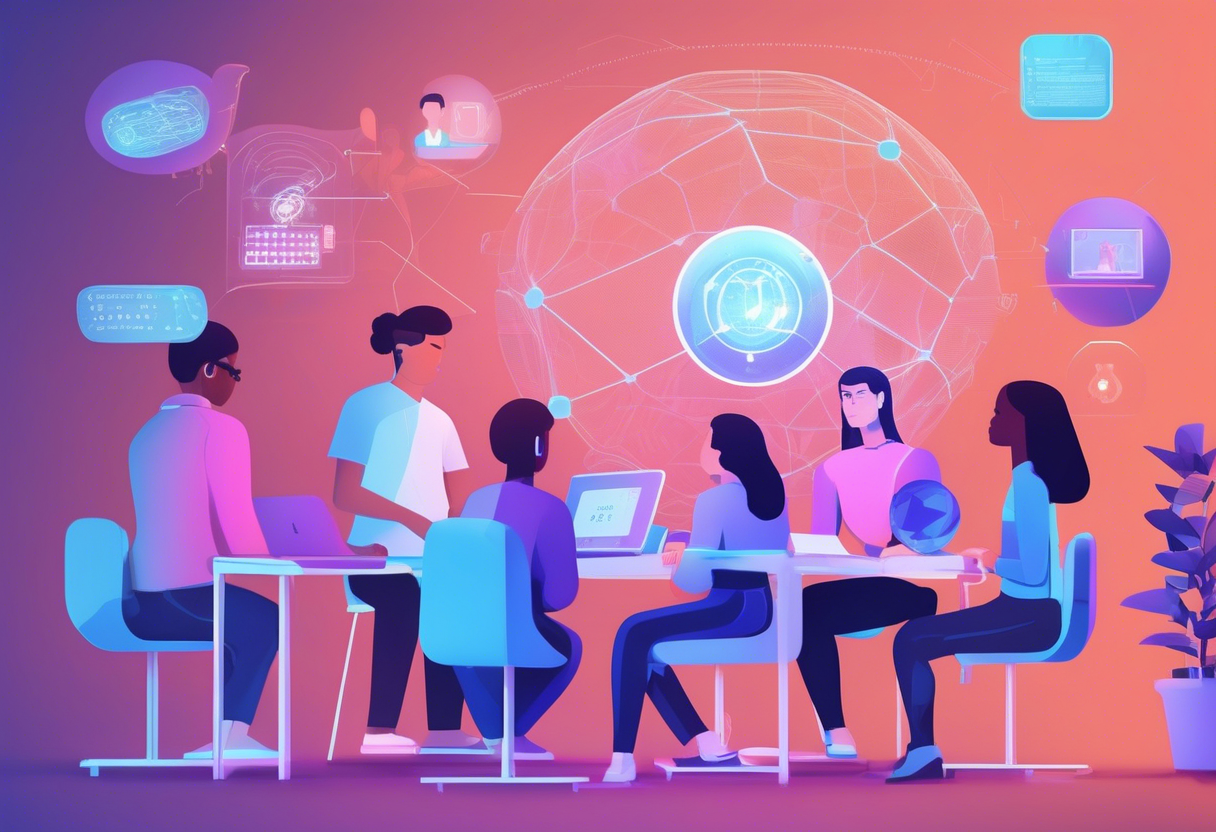
Technology's evolving fast, right? So, how's AI shaping the future of soft skills? It's pretty interesting that 92% of executives think soft skills matter just as much, if not more, than technical ones at work. As AI keeps changing the game in many fields, it's also becoming a key player in building these vital skills. Whether it's boosting communication, teamwork, creativity, or empathy, AI isn't some far-off idea. It's here, helping us grow both personally and professionally.
Let's talk about how AI impacts soft skills. We'll walk through a step-by-step guide on using its potential and share practical strategies organizations can use now. With real-world examples and expert advice, this dive into AI's role in soft skills promises to be eye-opening. So, let's get started on this journey to change how we see and develop these crucial abilities!
The Impact of AI on Soft Skill Development
AI's Influence on Soft Skill Development in the Workplace
AI is increasingly significant in enhancing soft skills training. By simulating real-life conversations and providing instant feedback, AI aids in developing communication, empathy, and leadership skills. As AI automates more technical tasks, soft skills such as communication, emotional intelligence, and adaptability become crucial.
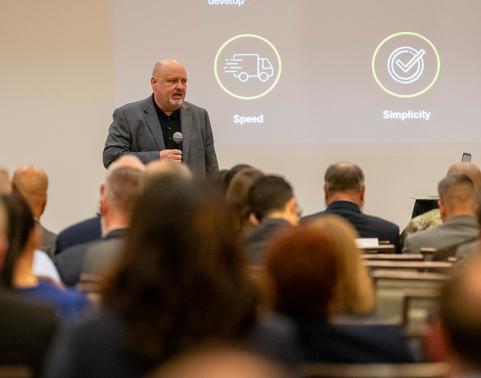
These skills enable individuals to collaborate effectively with AI and address ethical concerns like bias and data protection. Consequently, companies are prioritizing the development of soft skills alongside technical skills to ensure employee success in AI-driven environments.
Importance of Soft Skills in AI-Driven Industries
Soft skills, including critical thinking and emotional intelligence, are essential for interpreting AI outputs and fostering seamless collaboration. They promote lifelong learning and adaptability, which are vital for navigating technological advancements.
Future leaders must blend AI expertise with empathy and change management to inspire their teams. Research indicates that foundational soft skills underpin advanced professional skills, often outweighing technical skills in importance. Organizations investing in soft skills training alongside AI adoption experience greater benefits and support their employees in thriving through workplace transformations.
Step-by-Step Guide to Enhancing Soft Skills with AI
Identify the Soft Skills to Enhance
Before you can enhance your soft skills with AI, you need to know which ones to work on. Consider skills like:
- Critical thinking
- Emotional intelligence
- Empathy
- Communication
- Collaboration
- Adaptability
- Learning agility
These skills are crucial as AI and automation transform job roles and tech landscapes. To determine which skills to focus on, try self-assessment tools or seek feedback from peers. This ensures your efforts are targeted and align with both personal and professional goals.
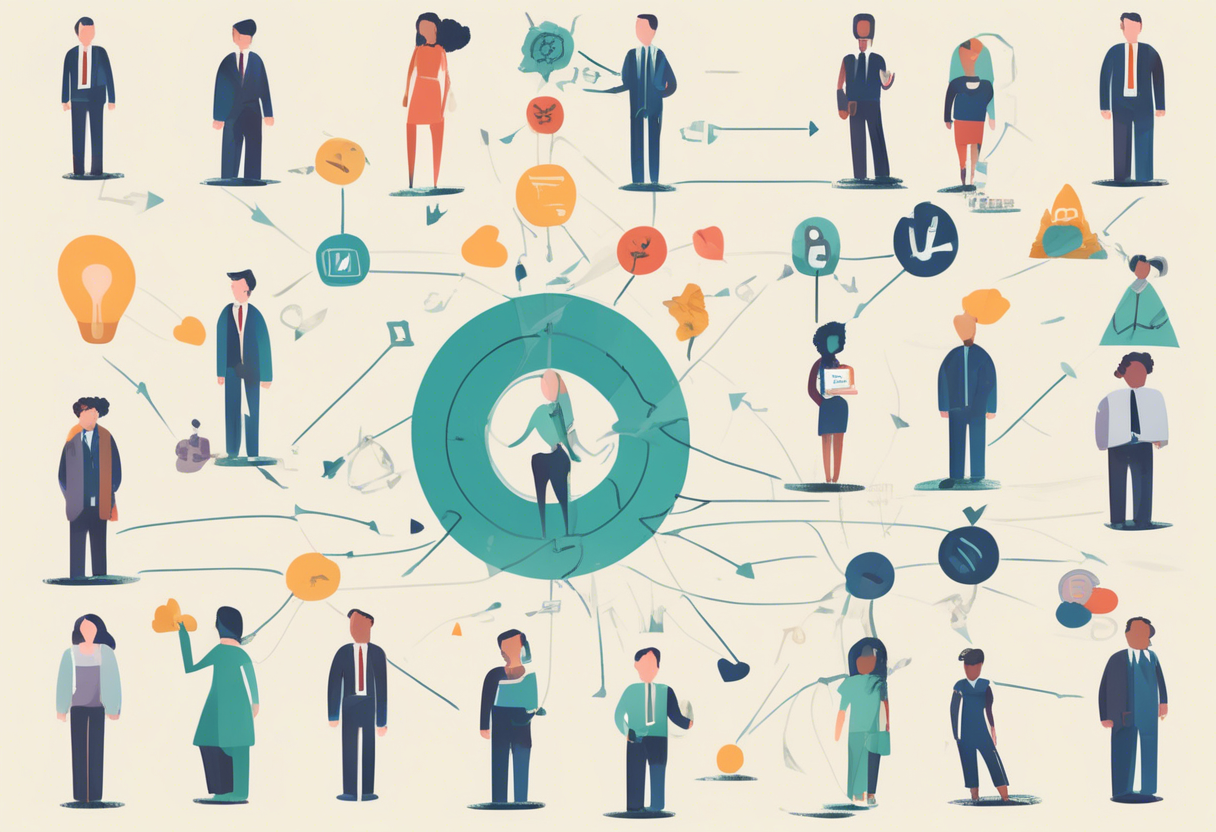
Select Appropriate AI Tools
Choose AI Communication Tools for Skill Development
AI tools using Large Language Models (LLMs) can mimic real conversations, helping you practice verbal and written communication. They provide instant feedback to improve clarity, tone, and effectiveness. Using these tools can significantly sharpen your communication skills, making your interactions more impactful.
Opt for AI Teamwork Tools for Collaboration
AI-powered tools for teamwork blend machine intelligence with human creativity, enhancing problem-solving and creativity. They facilitate smooth team interactions, improving dynamics and productivity. With these AI platforms, you can better manage tasks, streamline communication, and foster a collaborative environment.

Use AI Problem-Solving Simulators
AI problem-solving simulators are excellent for building analytical thinking. They analyze your responses and decisions, offering insights into your problem-solving skills. Engaging with these simulators can help you think more innovatively and logically.
Employ AI Adaptability Enhancers
Adaptability is key in today’s fast-changing work environment. AI tools that enhance adaptability assess how you handle new situations, helping you become more flexible and resilient. They encourage stress management and ease in new scenarios, boosting your ability to thrive amid change.
Engage in AI-Driven Role-Playing and Simulations
Practice Negotiation and Response Skills
AI role-playing tools create scenarios for practicing responses, negotiations, conflict resolution, and teamwork. They provide real-time feedback, allowing you to refine your approach safely. Practicing with AI avatars helps enhance your communication and conflict resolution skills.
Participate in AI Conflict Resolution Exercises
Simulations offer a safe space to practice interpersonal skills, adjusting communication and decision-making strategies. By participating in AI-driven exercises, you can experiment with different strategies, improving your ability to handle disputes and work effectively in teams.
Utilize AI for Tailored Feedback
Submit Communication Samples for AI Analysis
AI tools can analyze your communication using natural language processing, providing feedback on clarity, tone, empathy, and effectiveness. Submitting emails, presentations, or conversations for analysis can highlight areas for improvement, guiding you to more effective communication.
Receive Actionable Feedback for Skill Enhancement
Behavioral analytics and machine learning assess skills and problem-solving abilities, offering personalized insights. This feedback is actionable, allowing you to make specific improvements. AI tools like IBM Watson Tone Analyzer can check the emotional tone of your messages, ensuring they align with your goals.
Incorporate Real-Time AI Suggestions
Use AI for Real-Time Meeting Corrections
AI can provide real-time corrections and suggestions during virtual meetings to enhance clarity and appropriateness. Tools like Zoom’s live transcription or Microsoft Teams’ insights offer immediate feedback, helping maintain the conversation flow.
Enhance Email Drafting with AI Tools
AI tools for email drafting improve your writing by suggesting changes in tone, structure, and clarity. Tools like Grammarly or Boomerang assist in crafting emails that are clear and effective, boosting communication efficiency.
Track Progress with AI Analytics
Access Data-Driven Insights on Skill Development
AI analytics offer insights on soft skill performance by measuring communication effectiveness, problem-solving speed, and adaptability. Platforms like Tableau or Power BI analyze your interactions, providing detailed reports on your progress. These insights highlight trends and areas for improvement.
Develop Personalized Improvement Plans with AI
With AI performance data, you can create personalized improvement plans. AI tools like BetterUp or CoachHub use analytics to tailor coaching sessions to your needs. These plans evolve with your progress, aligning with your goals and environmental demands.
Practice Consistently and at Your Own Pace
Schedule Regular Sessions with AI Coaches
Regular AI coaching sessions allow for flexible, self-paced learning. Scheduling daily 15-minute exercises supports steady improvement without disrupting your routine. These virtual coaches offer personalized guidance, helping you consistently hone your skills.
Benefit from Flexible AI Learning Platforms
AI tools enable learning anytime, anywhere, promoting continuous development. Whether commuting, at home, or in the office, platforms like Udemy or Coursera provide resources and exercises. This flexibility ensures learning fits into your schedule, making skill enhancement a regular part of your routine.
Seek Human Feedback Alongside AI
Ask for Human Feedback to Complement AI Insights
Feedback from colleagues or mentors complements AI insights by adding depth to your skill development. Engaging them offers perspectives AI might miss, such as cultural nuances or emotional intelligence. This feedback rounds out your understanding.
Validate Skill Development with Human Insights
Combining AI assessments with human judgment ensures fairness, accuracy, and cultural fit in evaluating skills. Human feedback validates AI insights, ensuring they apply in real-world contexts. This validation deepens your understanding of the skills being developed.
Apply Enhanced Skills in Real-World Contexts
Transfer AI Learnings to Workplace Applications
Applying learnings from AI simulations to work situations reinforces growth and boosts confidence in using soft skills. Whether leading a meeting, negotiating a contract, or resolving a conflict, applying these learnings demonstrates their effectiveness.
Reinforce Growth Through Practical Application
Using enhanced communication and teamwork skills in real situations strengthens organizational culture and performance. Consistent application reinforces growth. Each interaction is a chance to practice and refine skills, building confidence over time.
Repeat the Cycle
Continuously Practice with AI Tools for Skill Maintenance
Regular practice with AI tools keeps your skills current and adaptable. Engaging with these tools helps you stay ahead of demands, maintaining a competitive edge. Iterative learning ensures sustained development and adaptation to new challenges.
Adjust Skill Development Based on Feedback
As you receive feedback from AI and humans, adjust your skill development approach. This adaptability keeps your efforts effective, addressing improvement areas while leveraging your strengths. Revisiting AI training and updating goals maintains momentum in growth.
Align Skill Enhancement with Industry Demands
The professional landscape changes, and so should your skill development. Aligning your strategies with industry demands keeps your skills relevant. Staying attuned to changes maintains your agility and readiness for new challenges.
Assessing Current Soft Skills for Development
Evaluating your current soft skills is a critical first step. Use self-assessment tools or seek feedback from peers and supervisors to understand your strengths and areas for improvement. This assessment provides a baseline to measure progress, ensuring your efforts are effective.
Developing Soft Skills with AI-Powered Tools
AI-powered tools offer innovative ways to develop soft skills. From communication and teamwork to problem-solving and adaptability, these tools provide exercises and feedback that support growth. Integrating AI into your strategy lets you leverage technology to enhance your skills effectively.
Measuring and Tracking Progress with AI
Tracking progress ensures your skill enhancement efforts work. Use AI analytics to monitor development, gaining insights into growth and areas for improvement. This measurement motivates and directs, aligning efforts with goals and professional demands.
Practical Strategies for Organizations
Designing AI-Enhanced Jobs with Soft Skill Development
When we think about jobs using AI, it's important to also focus on soft skills such as communication, problem-solving, and leadership. To make training engaging, consider incorporating:
- Role-playing
- Storytelling
- Gamification
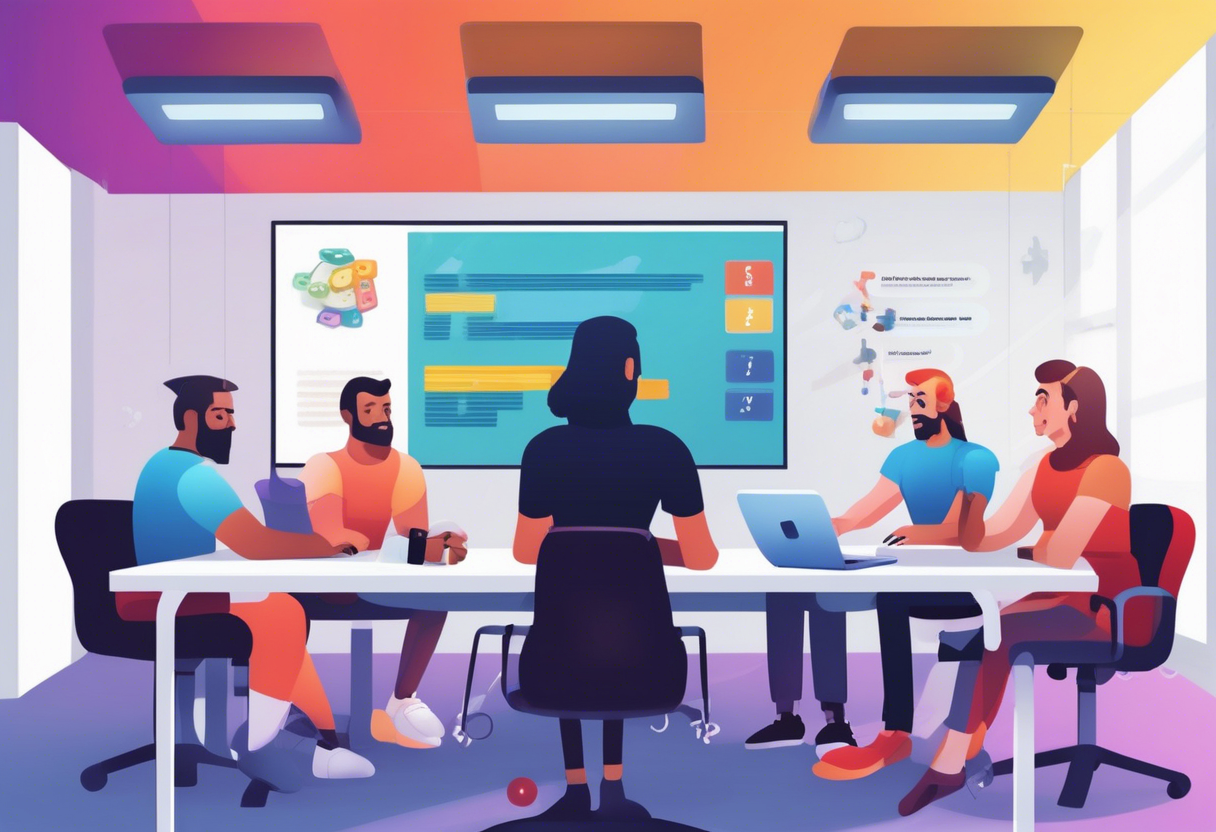
Activities like team-building exercises and group chats can make learning these skills more relaxed and enjoyable. Continuously updating training through real work experiences and job rotation is crucial. Additionally, digital platforms with online courses and virtual simulations can effectively integrate these learning methods.
Implementing Effective Soft Skill Training Programs
Begin by identifying skill gaps and determining the best methods for delivering training. A combination of instructor-led sessions, on-the-job training, coaching, and mentoring is recommended. To keep learning dynamic, incorporate:
- Refresher sessions
- Performance checks
Digital platforms can provide online courses and gamification. Establish feedback systems and encourage participation in workshops to foster a culture of learning. For leadership development, tailor growth with personalized programs and coaching.
Case Studies: Real-World Applications of Soft Skill Development
AI-Driven Industry Examples of Soft Skill Synergy
SmileDirectClub focused on training their team in communication, empathy, and teamwork. This strategic move resulted in:
- A 25% boost in employee satisfaction
- A 15% increase in customer retention
Adobe's 'Adobe Life' initiative emphasized nurturing creativity and emotional intelligence, leading to:
- A 30% increase in project success rates

Williams Company enhanced their teamwork and customer satisfaction through Bundle's soft skills training, showcasing the powerful impact of integrating soft skills into their organizational culture.
FAQ
How Does AI Enhance Soft Skill Development in the Workplace?
AI can significantly boost soft skills development by customizing training. It analyzes individual learning patterns and adjusts the content to make it more effective and engaging. Consider AI-powered simulations as a safe space to practice communication, problem-solving, and decision-making. These simulations provide real-time feedback on aspects like tone and emotional intelligence, helping you improve communication and empathy.
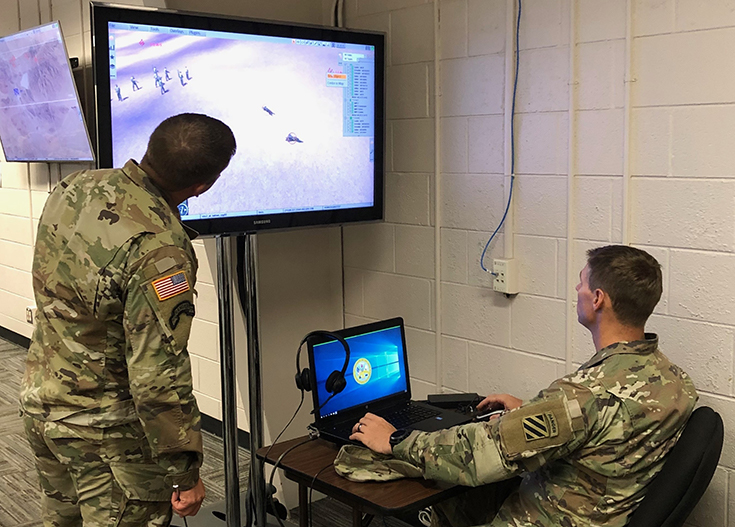
Moreover, when AI handles routine tasks, it frees up time for you to focus on complex skills like leadership. For instance, a marketing team might use AI-driven modules to enhance their problem-solving and teamwork skills.
Which Soft Skills Are Essential and Irreplaceable by AI?
Certain soft skills are irreplaceable by AI. Communication is a prime example, as it involves understanding subtle cues, active listening, and grasping emotional context. Emotional intelligence is another critical skill essential for leadership and teamwork, which AI cannot replicate.
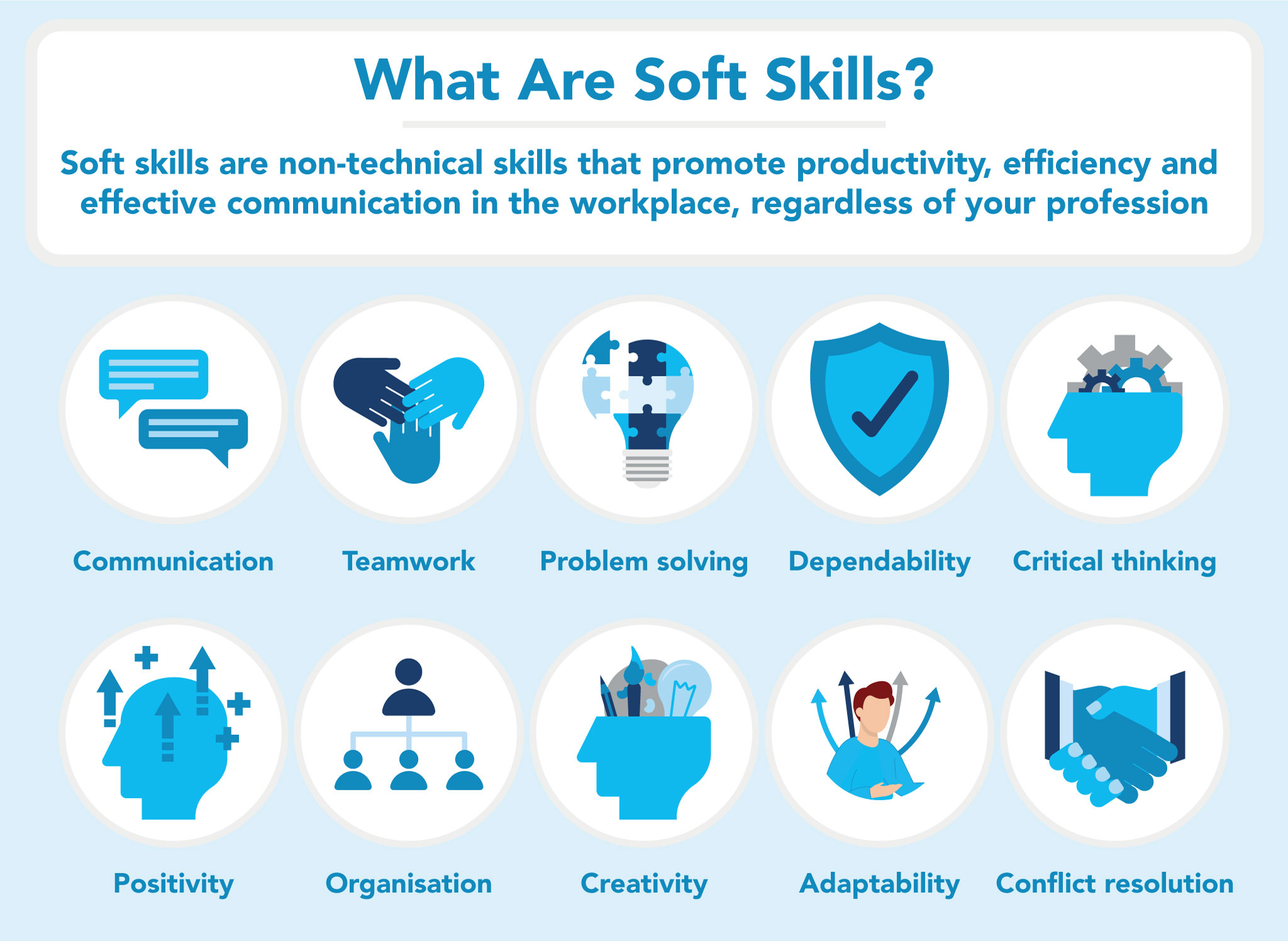
Additionally, adaptability is crucial for managing unexpected challenges, and empathy is vital for building trust. For example, a project manager relies on emotional intelligence and adaptability to resolve conflicts and meet deadlines. While AI can assist, it cannot fully perform these tasks.
How Can Organizations Use AI to Enhance Soft Skill Training?
Organizations can leverage AI-driven learning platforms that adapt to individual progress, providing targeted training. AI can identify skill gaps and customize interventions to efficiently address them. Virtual coaches offer continuous practice and feedback.
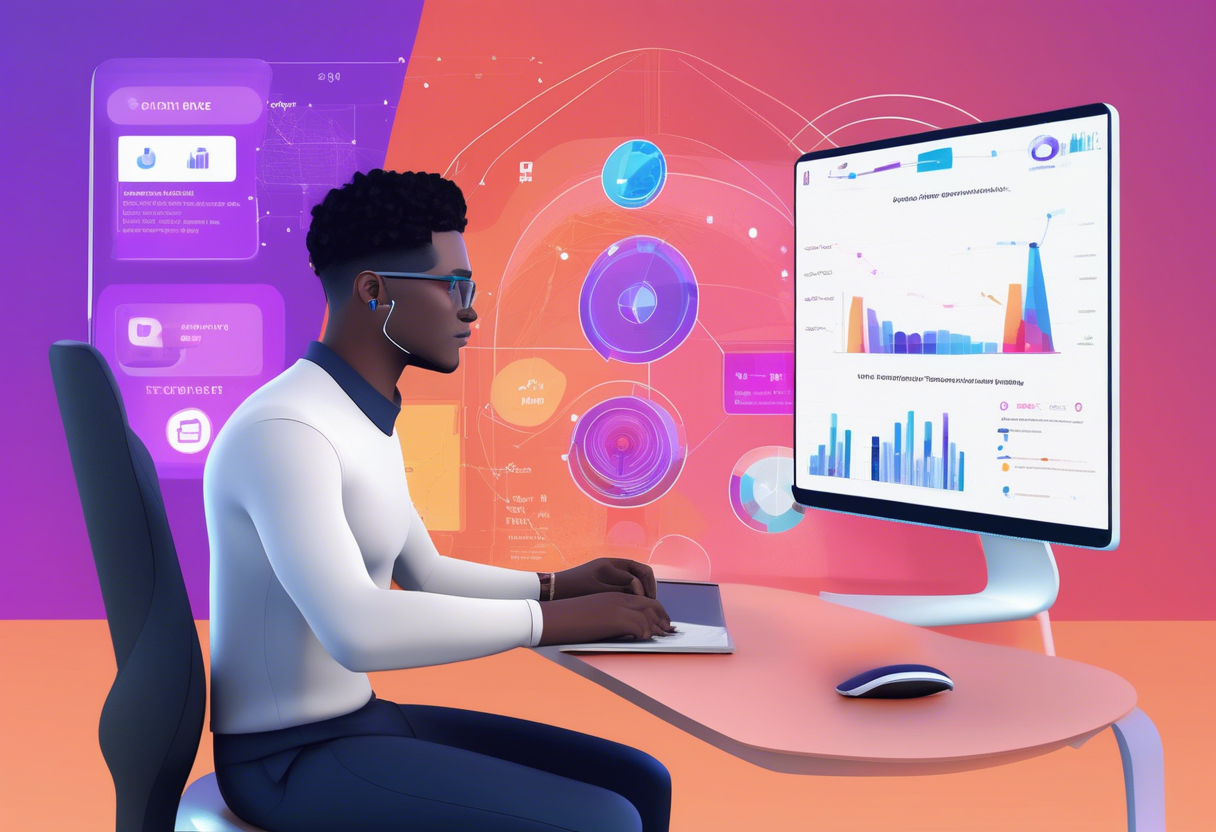
When combined with feedback systems, AI provides data-driven insights that accelerate development. A company might utilize AI platforms for personalized coaching and analytics to tailor team workshops focused on collaboration and leadership.