
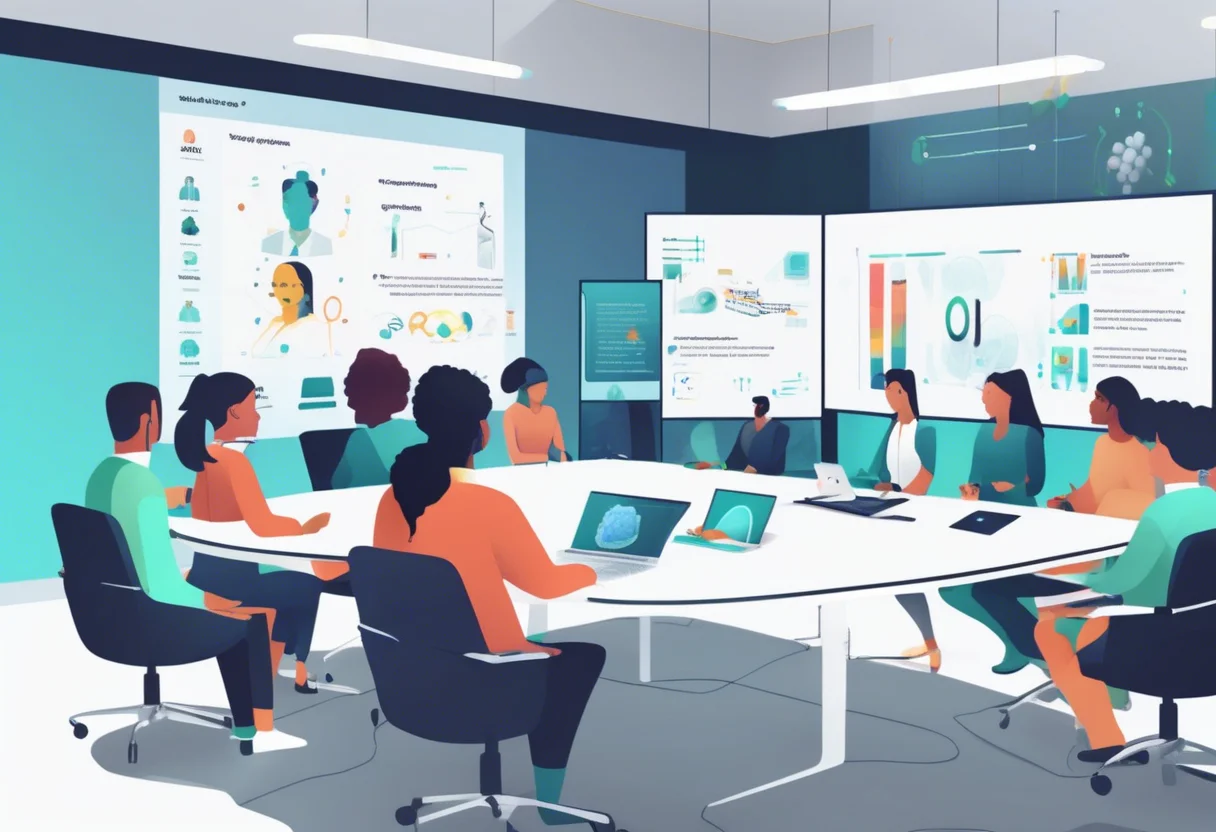
Can AI really change how we develop soft skills? With technology everywhere, AI is becoming a big part of soft skills training. A recent study says 75% of organizations think AI will boost their training programs in the next five years. But how does this affect the art of improving interpersonal skills? In this article, we’ll look at how AI and soft skills meet, checking out new AI-driven ideas, and thinking about ethical and practical issues. We'll also share some practical tips on how to use AI in training. Whether you work in HR or are just curious, let's explore how AI might reshape soft skills training.
Summary: This article discusses the integration of AI in soft skills training, exploring AI-driven solutions and practical implementations. It also addresses ethical considerations and provides best practices for effectively utilizing AI in this domain.
Understanding AI in Soft Skills Training
AI's Impact on Modern Soft Skills Education
AI is revolutionizing modern education, particularly in the development of soft skills. These AI tools excel in simulating real conversations, providing an excellent platform for practicing communication. They offer instant feedback, enabling immediate improvement.
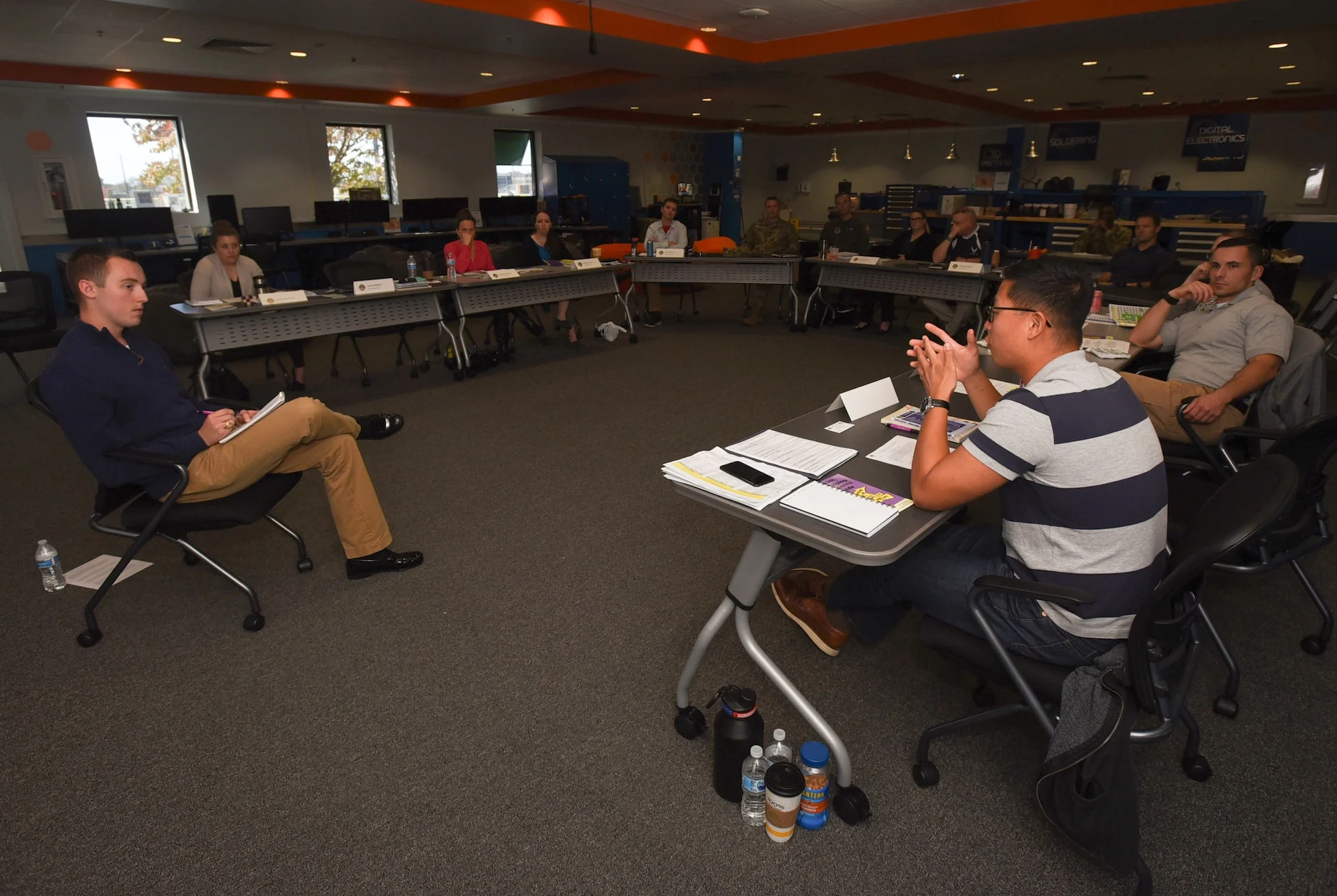
Moreover, they democratize the creation of personalized and interactive courses, even for non-experts, thus accelerating skill development.
In Learning Management Systems (LMS), AI introduces custom scenarios and virtual mentoring, enhancing the engagement and effectiveness of learning. For instance, platforms like Open eLMS empower trainers, regardless of their teaching expertise, to design interactive courses that adapt to learners' needs, thereby boosting both skill growth and interest.
Overcoming Traditional Soft Skills Training Challenges with AI
Traditional soft skills training often encounters obstacles such as lack of personalization, scalability, and engaging content. These challenges can lead to boredom and suboptimal learning outcomes. Soft skills like emotional intelligence, adaptability, and communication require a deeper understanding and varied practice, which conventional methods may not adequately provide.
AI addresses these issues by crafting interactive and customized learning paths, making training more engaging and effective.

As AI automates routine tasks, the importance of soft skills increases, yet traditional methods often fall short in developing these complex abilities. AI-driven simulations offer real-time, personalized coaching, bridging the gaps present in live workshops, which may lack immediate feedback or scalable practice opportunities.
However, ethical use of AI is crucial to avoid bias, necessitating the use of diverse data sets for equitable interactions. As companies increasingly prioritize soft skills, AI delivers scalable, personalized, and measurable training solutions, allowing employees to practice in realistic settings. This enhances the ability to measure training success, justifying investments in soft skills training. For further insights, explore Didask and Go1.
AI-Driven Solutions for Soft Skills Development
Personalized Learning with AI in Soft Skills
AI is transforming soft skills training by making it more personal and adaptable to each learner's needs, enhancing both engagement and effectiveness. With AI, training is tailored to accommodate different skill levels and learning styles, ensuring everyone receives what suits them best. By analyzing data from user interactions, progress, and feedback, AI crafts personalized learning paths, making learning more engaging and improving outcomes.
AI-driven Learning Management Systems (LMS) enable even those without deep expertise to create custom, interactive training paths. These systems use AI to personalize eLearning content, including interactive scenarios and real-time feedback. They help develop skills such as communication, teamwork, critical thinking, time management, and adaptability, making top-notch training widely accessible.

For example, an AI-powered LMS can tailor role-playing scenarios for a sales team, providing instant feedback on communication styles and emotional cues to improve customer interactions. AI transforms soft skills training by blending formal training with microlearning and coaching, encouraging ongoing growth.
Immersive AI Technologies for Soft Skills Training
Immersive technologies, like AI-driven simulations and Large Language Models (LLMs), are revolutionizing how we train for soft skills. They offer realistic conversation practice for building communication, empathy, and leadership skills. These AI tools create engaging learning experiences that mimic complex interpersonal situations through virtual mentoring and interactive scenarios.
For instance, a leadership program might use AI chatbots to simulate challenging employee conversations, allowing managers to practice empathy and conflict resolution in a safe environment. AI tools aid learners in developing critical thinking, emotional intelligence, and collaboration skills, which are crucial for working with AI technologies.
Moreover, AI supports ethical soft skills development by using diverse data sets to avoid reinforcing biases. This approach ensures learners are equipped to handle the ethical challenges of today's workplaces. AI-driven solutions enhance soft skills by offering tailored feedback, scenario-based simulations, and real-time improvement tips.
AI Tools Enhancing Soft Skills Training
AI serves as a valuable tool in soft skills training, complementing traditional methods rather than replacing human feedback. AI tools enhance communication skills training by helping teams craft clear, context-appropriate messages and critically evaluate AI-generated content. These tools are increasingly integrated into workforce development programs, offering targeted training for diverse groups, including decision-makers and underrepresented populations.
Platforms like TestGorilla use AI to provide personalized coaching on communication and adaptability while training users on responsible AI adoption and ethical decision-making. They employ real-world scenario-based questions and personality tests to assess interpersonal skills, emotional intelligence, and adaptability, offering insights that improve hiring quality and reduce bias. Companies using AI for soft skill assessments in recruitment have experienced a 50% boost in employee retention rates, demonstrating AI's effectiveness in enhancing soft skills training.
AI assessment tools like TestGorilla help recruiters make informed hiring decisions while ensuring assessment security with anti-cheating features.
In summary, AI-driven solutions for soft skills development leverage personalization, immersive technology, and supportive AI tools to enhance communication, empathy, leadership, and adaptability, all while emphasizing ethical use and human-AI collaboration. By integrating these AI tools into soft skills training programs, organizations can offer more comprehensive and impactful learning experiences, preparing individuals for the complex world of interpersonal communication in today's workplace.
Ethical and Practical Considerations
Ethical AI Frameworks in Soft Skills Training
Using AI in soft skills training brings up some unique ethical questions. One significant issue is determining how to measure intangible qualities like empathy. Additionally, there's a risk of bias in AI algorithms; biased training data can lead to unfair outcomes, which is particularly concerning in soft skills training where diversity and inclusivity are paramount.
To tackle these issues, it's essential to maintain vigilant oversight of AI usage. This involves regular checks and collaboration among AI developers, educators, and employees to ensure AI is used responsibly and inclusively.
Addressing privacy and bias in algorithms requires proactive measures. These include:
- Ensuring the training data is diverse
- Conducting regular audits
- Monitoring AI systems for fairness and transparency
For instance, if an AI system evaluates empathy in communication, it should be meticulously designed to avoid cultural bias and regularly reviewed for fairness. Human trainers play a crucial role in providing context and maintaining ethical standards.
Humans are indispensable in recognizing AI's limitations, understanding ethical implications, and ensuring AI decisions align with organizational values. This underscores the importance of ethics and sound judgment in AI usage. Ethical AI frameworks emphasize transparency, fairness, accountability, and respect for privacy and human rights. These frameworks advocate for AI systems that are open to scrutiny, understandable, and involve diverse stakeholders to ensure responsible use aligned with societal values.
Evaluating AI's Impact on Behavioral Change
AI can delve into how people communicate, collaborate, and adapt by leveraging machine learning and natural language processing. This capability enhances the assessment of soft skills. Nevertheless, despite AI's analytical strength, soft skills such as critical thinking and emotional intelligence remain vital for interpreting AI outputs, addressing biases, and making ethical decisions—crucial elements for sustained behavioral change.
Soft skills are essential for effectively integrating AI, emphasizing communication, conflict management, and teamwork to incorporate AI without disrupting human interactions. Continuous learning and utilizing diverse data types (e.g., text and visuals) are promising approaches for AI to adapt to evolving human behaviors and improve assessments over time.
For long-term behavioral change, balancing AI's measurement capabilities with human interaction is crucial. AI should support, not replace, human feedback and ethical judgment in soft skills development. For example, a company might use AI to monitor improvements in communication by analyzing meeting transcripts over several months. Simultaneously, trainers can offer personalized coaching based on patterns identified by AI, fostering ongoing growth.

Practical Implementation and Best Practices
AI Integration in Soft Skills Training Programs
Integrating AI into current training setups for soft skills can significantly transform the learning process. With the advent of Large Language Models, AI can simulate lifelike conversations, allowing employees to practice and enhance their communication skills. This provides instant feedback, boosting their interpersonal abilities.
However, it's crucial to remember that AI should complement traditional training methods, not replace the human element. This balanced approach ensures ethical usage by leveraging diverse data sets. Open discussions about AI's implementation, including its advantages and limitations, are essential for smooth adoption.

Combining soft skills training with technical training—such as AI literacy, upskilling, reskilling, and data ethics—prepares employees to effectively collaborate with AI tools. Soft skills training should focus on:
- Communication
- Adaptability
- Emotional intelligence
- Critical thinking
These skills synergize with AI's technical aspects, enhancing human-machine collaboration. For example, a company might incorporate AI-driven conversation simulations into its leadership program, allowing managers to refine empathy and communication. Concurrently, offering courses on AI literacy and ethical AI use prepares teams for AI integration.
Business Advantages of AI in Soft Skills Training
Incorporating AI into soft skills training offers numerous business advantages. It enhances communication, leadership, and adaptability, fostering a positive work environment and personal growth. AI-powered tools for assessing soft skills improve the accuracy, fairness, and efficiency of evaluating candidates' interpersonal and cognitive abilities, leading to better hiring decisions.
Skills such as adaptability, learning agility, and communication equip employees to navigate AI-driven changes, promoting continuous learning and innovation. Strong soft skills also address ethical concerns related to AI, such as bias and data protection, ensuring responsible AI usage in businesses.
Leaders with empathy and strategic vision can more effectively guide their teams through AI transitions, maintaining productivity and engagement. Companies that integrate AI tools with soft skills development experience increased employee engagement and ethical AI usage, resulting in higher retention rates and more informed decision-making.
This integration enhances training effectiveness, ethical practices, and employee adaptability, improving teamwork, leadership, and recruitment processes.
For further reading, explore these resources:
FAQs on AI in Soft Skills Training
Integrating AI into Soft Skills Training Programs
Bringing AI into soft skills training can significantly enhance how we learn and what we gain from it. With AI, you can engage in realistic conversations through Large Language Models. This enables you to practice and refine your communication skills while receiving instant feedback. It’s like a safe zone where you can work on your interpersonal skills without the fear of making mistakes in real life.
AI-powered Learning Management Systems (LMS) facilitate the creation of personalized and interactive training courses. These systems monitor your progress and adjust the content to meet your specific needs. This personalized approach allows you to focus on areas that require improvement, accelerating your skill-building process.
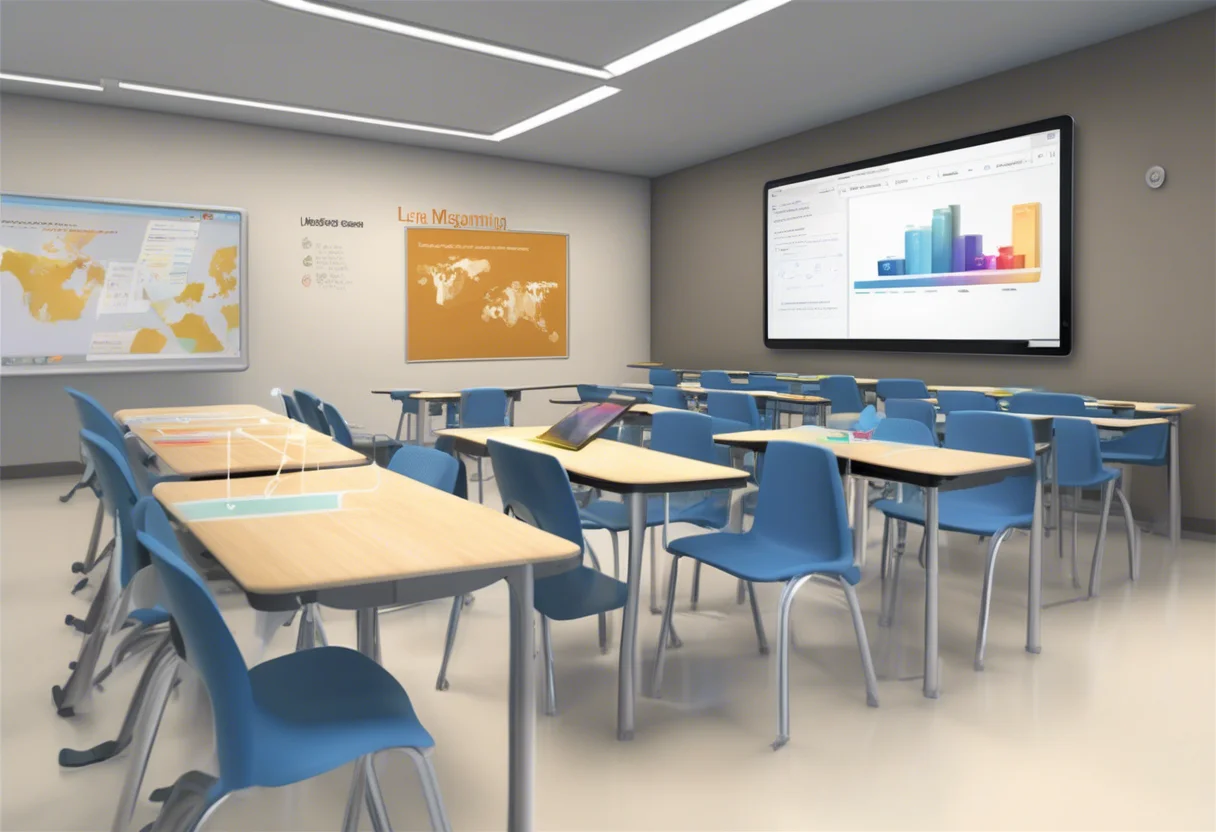
Additionally, integrating AI with gamification makes learning more enjoyable and adaptive. You get to tackle real-world scenarios, which aids in retention and problem-solving. This approach makes learning not only enjoyable but also practical. For example, a company might use an AI-driven LMS with chat simulations to help employees enhance their empathy and communication skills. Gamified modules adjust as you progress, making the training both personal and engaging.
Ethical Considerations in AI for Soft Skills Training
Using AI in soft skills training raises several ethical questions that need addressing to ensure responsible use. AI should adhere to human values and integrity, avoiding biases or harmful stereotypes. It’s crucial to use diverse and inclusive data sets to ensure that AI interactions in training are fair and unbiased.
Skills like professional ethics and critical thinking are essential for managing ethical challenges posed by AI, such as bias and data privacy. Companies must carefully select training data to avoid bias and include ethics modules that teach responsible AI use. This ensures fairness and transparency in AI-driven training. The goal is for AI to work alongside human trainers, promoting a culture of ethical learning and growth.
Comparing AI-Driven and Traditional Training Methods
AI-driven training offers distinct advantages over traditional methods, particularly in terms of personalization and scalability. A significant benefit is the immediate, personalized feedback you receive, which helps you adjust your communication strategies on the fly. Traditional methods may not provide this level of customization.
Studies indicate that VR and AI-enhanced training boost learner confidence and facilitate more effective knowledge application compared to conventional classroom or e-learning methods. AI and gamification keep learners engaged and motivated, leading to better retention and outcomes than traditional training.
Importantly, AI doesn’t replace human interaction; it complements it. AI enhances traditional learning by making it more scalable, accessible, and tailored. Employees using AI-powered training with gamified scenarios often feel more confident and acquire skills faster than those who only attend traditional workshops. A blended approach that combines AI-driven and traditional methods can provide a comprehensive training experience that maximizes learning outcomes.
Overall, incorporating AI into soft skills training represents a significant shift in how organizations can develop these crucial skills, ensuring employees are prepared for an increasingly AI-driven world.