

In our fast-moving workplaces, just knowing the technical stuff isn’t enough. Soft skills are what really set apart a good employee from a great one. Believe it or not, 92% of talent pros and hiring managers say soft skills are as important, if not more, than hard skills. Things like effective communication and adaptability are the real MVPs of career success. Here, we'll break down what soft skills mean today, highlight the key ones you need, and share some practical tips and resources to help you develop these vital abilities. Plus, we'll peek into future trends in soft skills so you're always a step ahead. Whether you’re a seasoned pro or just starting out, it’s time to harness your soft skills and boost your career!
Summary: This article describes the importance of soft skills in the modern workplace, highlighting key skills for success and offering practical tips for development. It also explores future trends in soft skills and addresses common questions related to their application in professional environments.
Understanding the Role of Soft Skills in the Modern Workplace
Key Soft Skills and Their Definitions
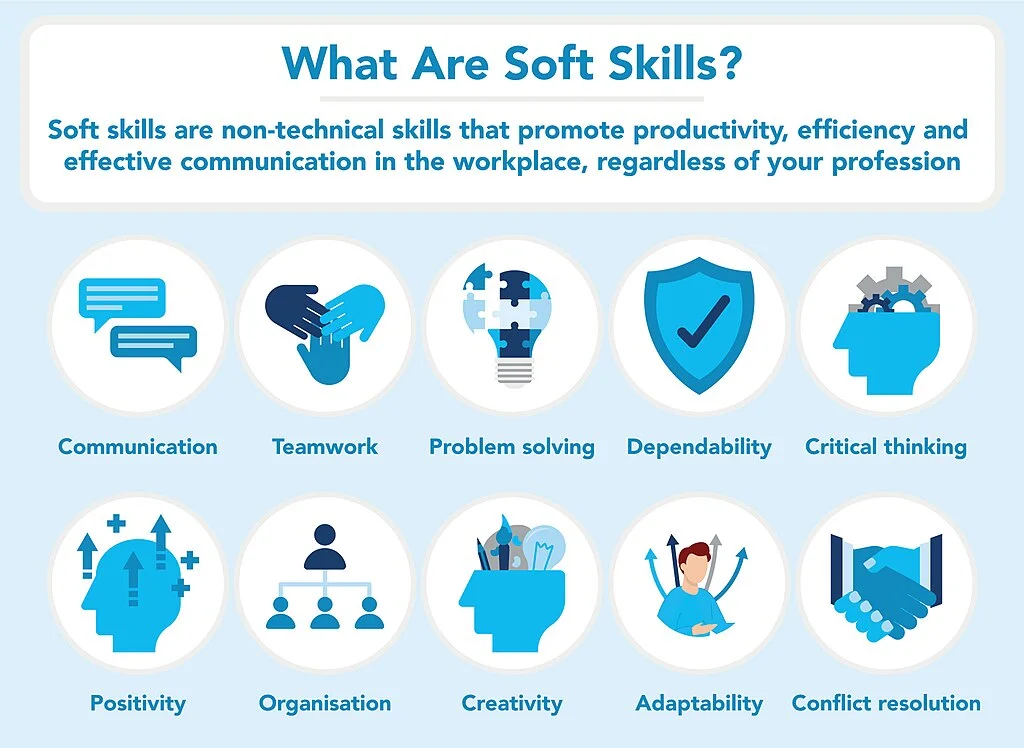
Soft skills are the people skills that help us interact effectively and manage both ourselves and others. Unlike hard skills, which focus on technical expertise, soft skills encompass:
- Emotional Intelligence: The ability to recognize and manage your own emotions and those of others. It's the core of all soft skills.
- Communication: Clearly articulating your thoughts and actively listening to build trust and ensure everyone remains aligned.
- Teamwork: Collaborating effectively, even under pressure, to achieve group objectives—a crucial skill in diverse work settings.
- Leadership: Beyond just being in charge, leadership involves inspiring and guiding your team through positive relationships.
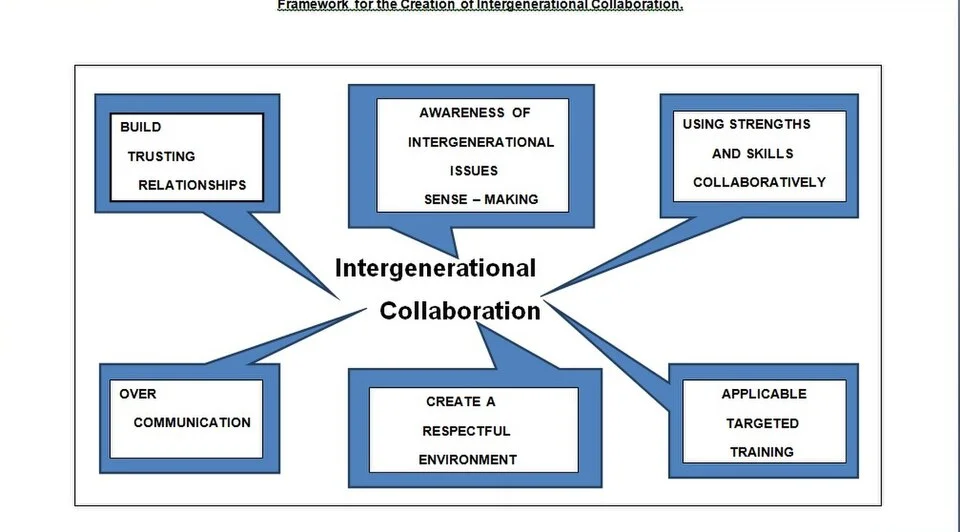
Additional soft skills include empathy, time management, and critical thinking, which enhance teamwork and creativity in the workplace. These skills influence how employees connect, collaborate, and problem-solve across any job or industry. Strong soft skills can lead to:
- More cohesive teams
- Increased employee engagement
- Improved retention rates
Moreover, nonverbal cues such as tone of voice, gestures, body language, and facial expressions play a vital role in professional interactions.
The Growing Importance of Soft Skills in the Age of AI and Automation
With AI and automation taking over more technical tasks, soft skills have grown increasingly important. They enable effective collaboration, leadership, and innovation. Key aspects include:
- Adaptability and Emotional Intelligence: Essential for navigating changing work environments and maintaining strong relationships amid technological shifts.
- Communication and Teamwork: Critical for cross-functional collaboration in tech-integrated settings.
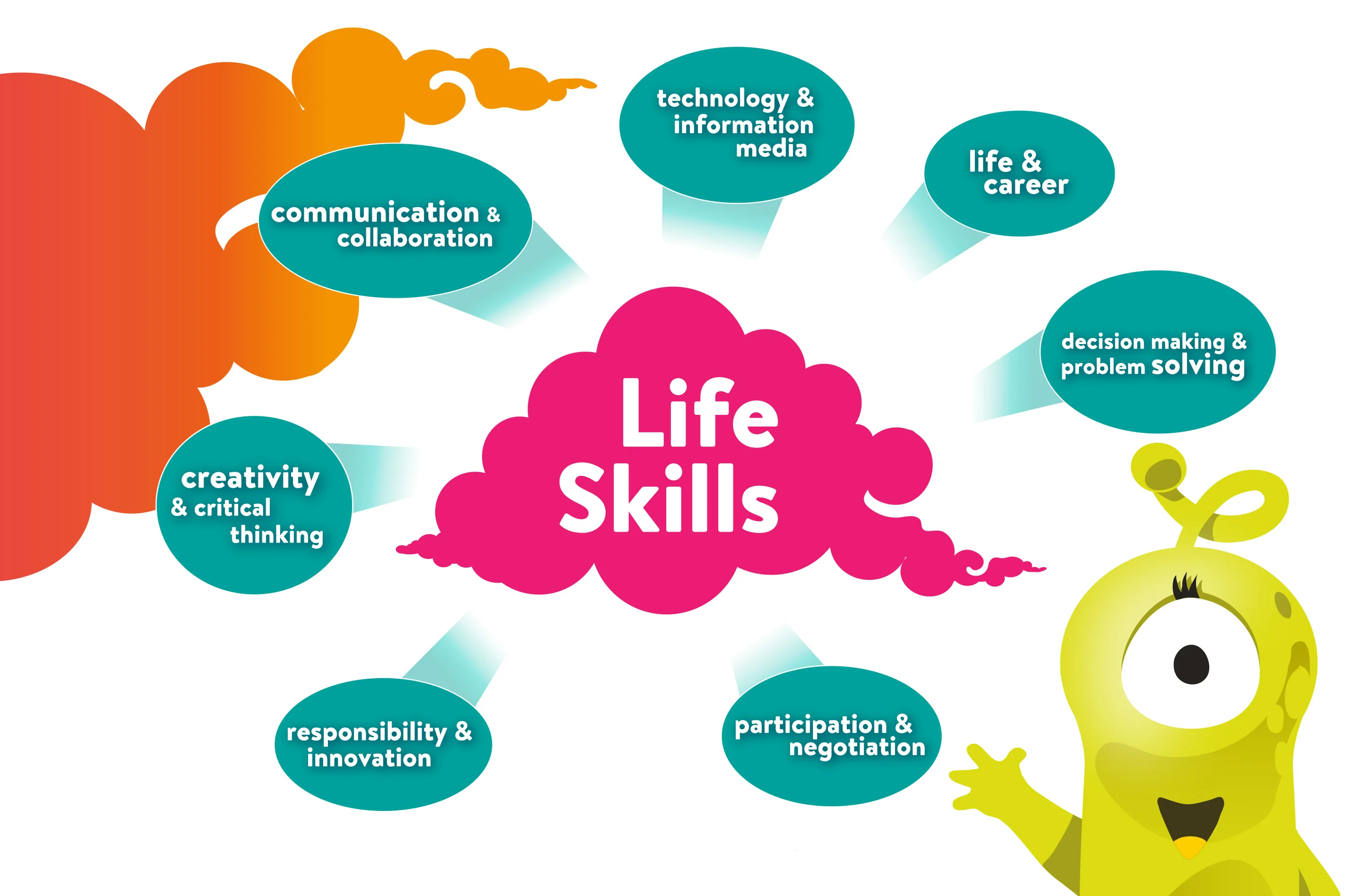
Organizations that prioritize soft skills training often experience enhanced employee engagement and retention—vital components in a technology-driven workplace. Leadership that nurtures positive relationships and motivates teams is crucial for guiding employees through AI-related transitions.
As technology continues to evolve, balancing technical expertise with people skills will be essential for career advancement and organizational success.
Essential Soft Skills for Workplace Success
Mastering Effective Communication Skills
Getting your point across at work goes beyond just talking. It's about listening, understanding, and responding clearly. This helps build trust and cuts down on mix-ups. Good communication sets the stage for:
- Teamwork
- Smooth meetings
- Clear project updates
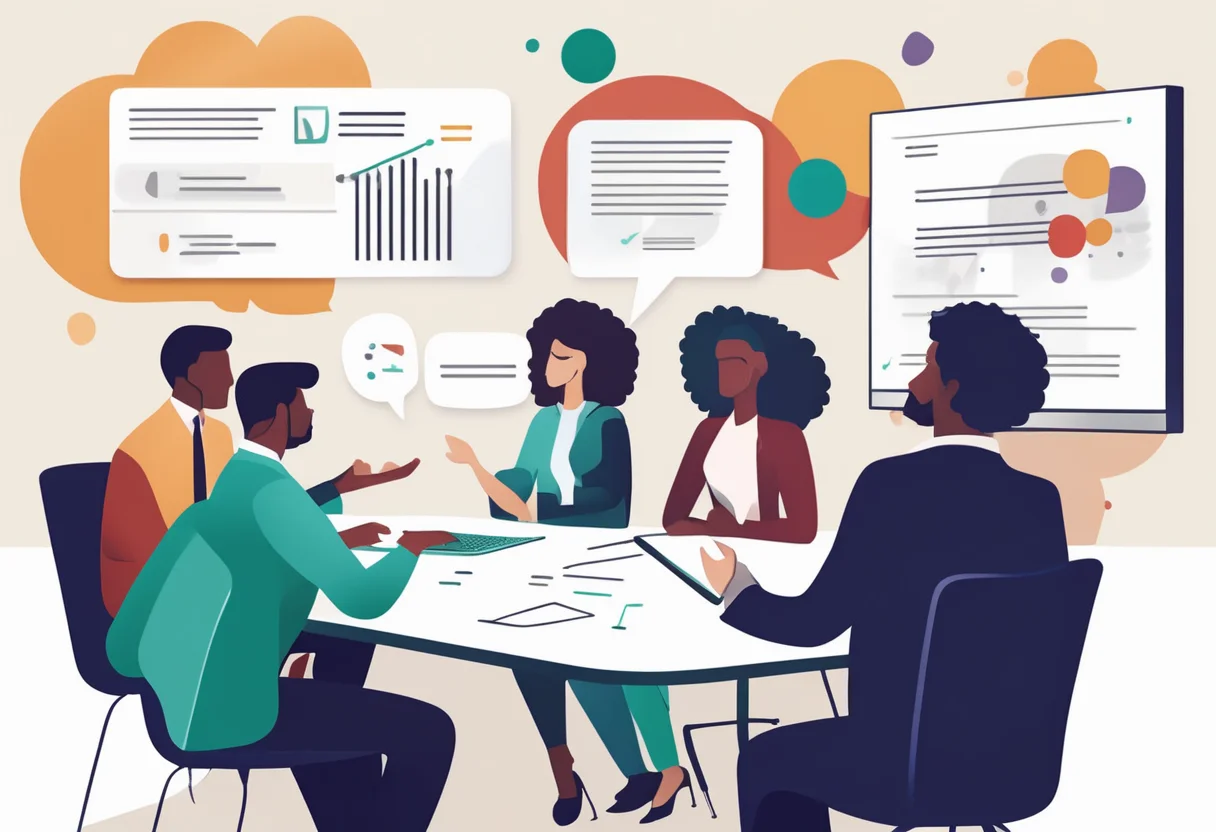
Whether you're speaking, writing, or using body language, being clear and concise is key. For example, if a project manager clearly lays out deadlines and listens to team concerns, the project is more likely to stay on track.
To sharpen your communication skills, consider the following:
- Active listening exercises or feedback tools like Reflective Listening.
- Writing tools such as Grammarly and Hemingway Editor to make your messages clearer.
- Non-verbal cues like body language and eye contact.
Workshops on platforms like Coursera or Udemy can teach you how to use these effectively.
Developing Emotional Intelligence Skills
Emotional intelligence, or EQ, is about understanding your emotions and those of others. It's crucial for handling tough situations and responding with empathy. High EQ is vital for leaders and teams, helping create a safe and grounded environment. Imagine a team leader who notices a stressed member and offers support. That's EQ in action, boosting morale and productivity.

To boost your EQ, focus on:
- Self-awareness: Journaling and quizzes can help.
- Self-regulation: Mindfulness and stress management can improve this.
- Motivation, empathy, and social skills: Grow through active listening and perspective-taking.
Social skills can be honed through networking, team-building, and communication workshops.
Enhancing Adaptability and Flexibility
Being adaptable means handling change and challenges well. As automation and AI grow, human adaptability and creativity are in demand. Consider an employee who quickly learns new software and helps others adjust. That's adaptability.
To become more adaptable:
- Keep learning through online courses and workshops. LinkedIn Learning and Skillshare offer resources.
- Improve flexibility with open-mindedness and diverse problem-solving.
Organizations can help by encouraging innovation and risk-taking. Flexible work arrangements, like remote work and flexible hours, also support adaptability.
Building Teamwork and Collaboration Skills
Teamwork is about working well under pressure and supporting each other without being asked. It's crucial for achieving group goals. Good teamwork holds diverse teams together. Imagine a team meeting a product launch deadline by communicating openly and sharing resources.
To improve teamwork, organizations can:
- Offer team-building activities and trust-building workshops.
- Use tools like Slack and Microsoft Teams for real-time communication and collaboration.
- Promote inclusivity and diversity for innovative solutions.
Open communication and active participation in meetings ensure everyone's voice is heard.
Strengthening Critical Thinking and Problem-Solving Skills
Critical thinking helps you analyze situations and make good decisions. Employers value this along with technical skills. Problem-solving helps you handle challenges and come up with solutions. An employee who spots workflow inefficiencies and suggests improvements shows critical thinking.
To develop these skills, engage in:
- Activities that challenge your reasoning, like puzzles and debates.
- Books, podcasts, and online courses on platforms like Coursera and edX for insights into critical thinking.
- Real-world experience, like case study competitions and hackathons, to enhance problem-solving.
Tools like mind mapping software can help organize thoughts and explore solutions. Organizations can foster these skills by encouraging inquiry and experimentation. Providing opportunities to lead projects and engage in continuous learning helps critical thinking and problem-solving thrive.
Developing Soft Skills: Practical Tips and Resources
Self-Assessment and Feedback for Soft Skills Enhancement
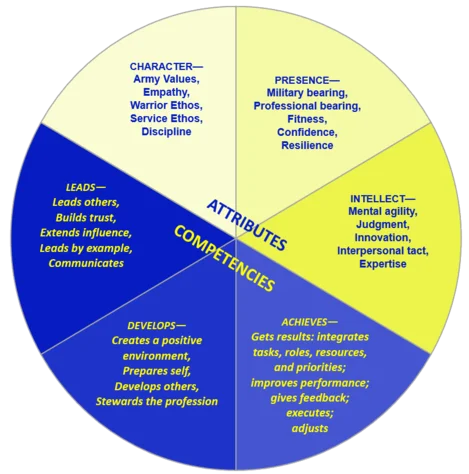
Improving soft skills starts with taking a good, honest look at yourself. Regular self-checks help you see what you're good at and what needs a little work. This kind of reflection is key for growing skills like communication and leadership.
Getting constructive feedback from friends, mentors, or bosses gives you a clearer view of your interpersonal skills. Being open to feedback is important because it guides you in making real plans for getting better. Active listening, which means really understanding and responding, builds trust and helps with teamwork, making it a big part of good communication.
Learning Opportunities to Develop Soft Skills
Once you know where you stand, it's time to find ways to boost those soft skills:
- Mentoring pairs you with someone experienced who can share advice and strategies for improving leadership and emotional smarts.
- Workshops with role-playing and group problem-solving give you hands-on practice in things like resolving conflicts and listening actively.
- Learning from peers through group projects and feedback sessions encourages teamwork and hones your people skills.
Online learning platforms such as Coursera, Udemy, and LinkedIn Learning offer flexible courses with quizzes and case studies for soft skills training. Volunteering and community work are great for building empathy, teamwork, and adaptability by working with different groups and solving real issues. Team-building events like retreats and group chats promote open communication and relationship-building in a relaxed environment. Additionally, reading and reflecting, supported by company resources like CPD libraries, can deepen your self-awareness and social skills.
Crafting a Personal Soft Skills Development Plan
A smart soft skills development plan is essential for structured growth. Start by setting clear goals based on your self-assessment and feedback. Include regular practice opportunities, like job rotations and refresher courses, to help you apply soft skills in your daily work.
Building emotional regulation through self-awareness and stress management is crucial for boosting emotional intelligence. Improving communication means practicing different styles—face-to-face, email, presentations—and learning from others to find what works.

Building positive relationships and stepping out of your comfort zone are key for continuous soft skills growth. To keep improving, regularly review and tweak your plan to match any changes in your career or interests. Track your progress and celebrate wins to stay motivated. A well-thought-out plan not only guides your growth but also shows potential employers your commitment to personal development.
By combining self-assessment, feedback, structured learning, and strategic planning, you can effectively boost your soft skills. These skills are vital for career growth and personal satisfaction, making them a worthy investment of your time and effort. Engaging in activities like role-playing exercises, story-based learning, and gamification can further enhance your development. These methods make lessons relatable and memorable, boosting critical thinking and problem-solving skills. Simulation training and coaching offer practical exercises to improve communication, teamwork, and emotional intelligence, supporting a well-rounded approach to soft skills development.
Future Trends in Soft Skills
Emerging Soft Skills for Success in 2025
Looking ahead to 2025, soft skills are becoming increasingly important, particularly when integrated with artificial intelligence (AI). Emotional intelligence is crucial for navigating complex social situations and fostering a team-oriented work environment. This skill is essential for building relationships and resolving conflicts, especially in diverse settings.
Additionally, adaptability is a must-have due to rapid technological and market changes. It enables individuals to tackle new challenges, adjust strategies, and maintain a growth mindset, making it indispensable in today’s workplace.
As automation takes over routine tasks, critical thinking and problem-solving are gaining prominence. Employees are expected to tackle more complex problems that require deep understanding and innovative solutions. Key skills for 2025 include:
- Analytical thinking
- Resilience
- Flexibility
- Leadership
These demonstrate that human skills remain vital alongside technological advancements. Moreover, digital literacy is no longer optional; it is essential to understand and effectively use digital tools and platforms.
The Role of Technology in Enhancing Soft Skills
Technology in the workplace has not diminished the importance of soft skills; in fact, it has heightened their significance. With the rise of remote work, communication skills are paramount. Tools like Slack, Microsoft Teams, and Zoom facilitate collaboration but require clear and empathetic digital communication to prevent misunderstandings and maintain team cohesion.
Modern leadership demands a blend of traditional qualities and technological savvy. Leaders must inspire and guide their teams through digital transformations while fostering a culture of learning and innovation. This necessitates a strong understanding of both human and technological elements.
Project management tools like Asana and Trello have revolutionized teamwork, making collaboration skills essential. These platforms enable seamless work across different locations and time zones, highlighting the importance of being proactive, communicative, and cooperative.
As AI and machine learning reshape the workforce, the demand for soft skills that machines cannot replicate is increasing. Creativity, empathy, and ethical judgment are becoming more valued as they complement AI’s analytical capabilities, ensuring technology serves humanity. Moving forward, the synergy between technology and soft skills will be critical for driving innovation and success.
Frequently Asked Questions About Soft Skills
Understanding Soft Skills: Definition and Importance
Soft skills are the personal traits and interpersonal abilities that help you get along and work well with others. They focus on how you work, not just what you know. Think of skills like communication, empathy, problem-solving, adaptability, and teamwork. They're shaped by your habits and personality.
Unlike hard skills, which are specific technical skills needed for a job, soft skills are all about how you interact with people. For instance, a graphic designer might know their design software inside out (a hard skill), but their knack for working smoothly with clients and colleagues is a crucial soft skill.
The Importance of Soft Skills in the Workplace
Soft skills are key for getting along with others, solving problems, and building strong workplace relationships. They help create a productive and friendly work environment. Employers often value these skills as much as, or even more than, technical skills when hiring. That's because soft skills affect how well you fit into a team and how you perform.

They lead to good communication, leadership, adaptability, and conflict resolution. These skills are useful in any job or field, making them valuable beyond just technical know-how. An employee who stays calm under pressure and thinks outside the box is a real asset in any industry.
Tips to Enhance Your Soft Skills
To boost your soft skills:
- Ask for feedback from peers and supervisors.
- Watch and learn from people with strong soft skills.
- Practice self-awareness.
Improving these skills takes time, practice, and a willingness to engage with others, even if you're an introvert. Joining group projects or volunteering can help you practice teamwork. You can also take courses or workshops on communication, leadership, and emotional intelligence for structured learning.
Key Examples of Essential Soft Skills
Here are some key soft skills:
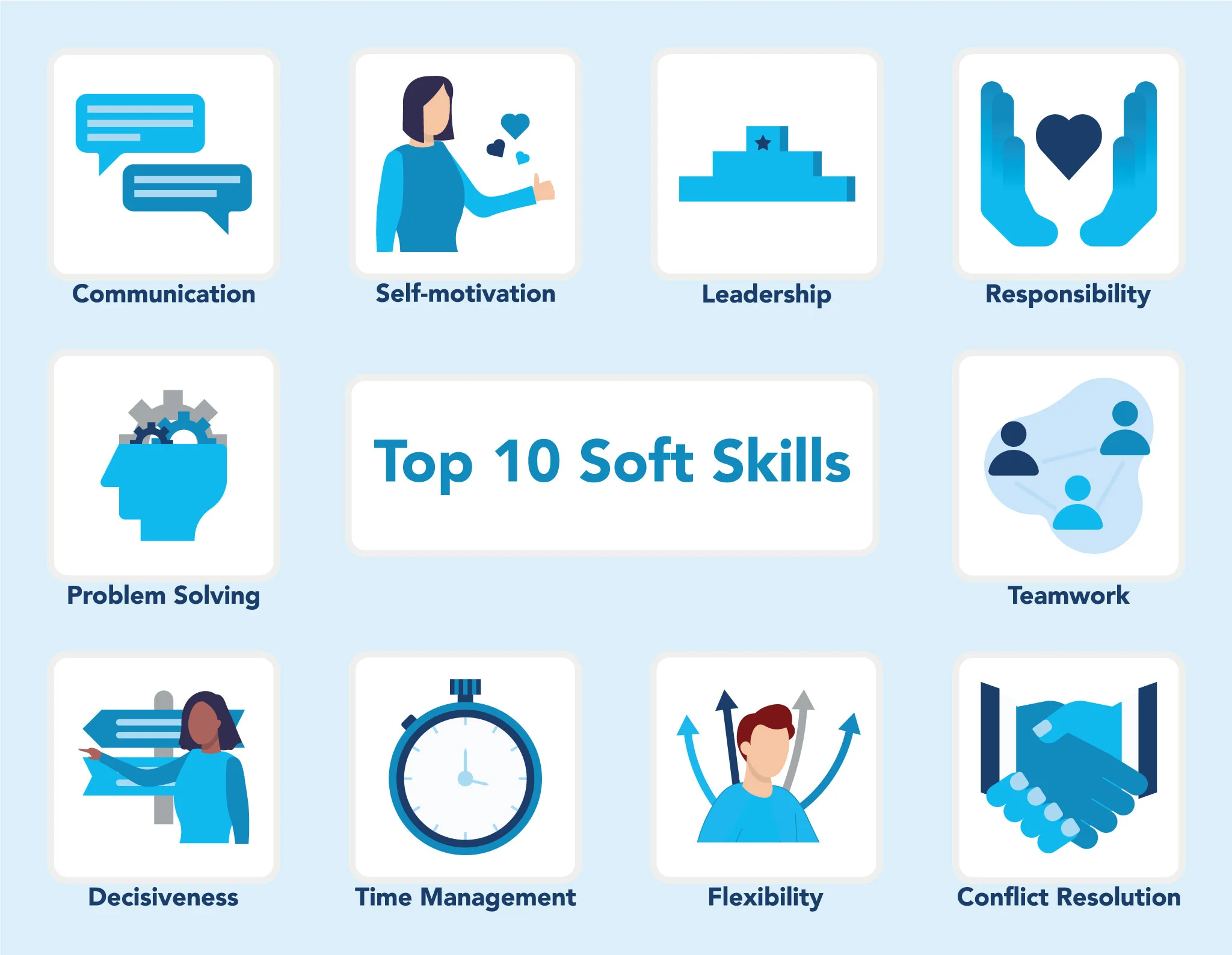
- Communication: Includes listening, empathy, giving feedback, confidence, professionalism, public speaking, mentoring, networking, patience, delegating, negotiating, and resolving conflicts.
- Teamwork: Working well with others to reach a common goal.
- Problem-solving: Finding solutions to challenges.
- Adaptability: Keeping a positive attitude, staying calm in stress, and making quick, creative decisions.
- Leadership: Guiding, motivating, and inspiring teams using communication, empathy, decision-making, and conflict resolution.
- Time management: Prioritizing tasks to use time well.
- Emotional intelligence: Understanding and managing your emotions and those of others.
- Attention to detail: Involves analysis, observation, critical thinking, memory, organization, and time management.
In customer service, listening, empathy, and conflict resolution are crucial for handling tough clients. In healthcare, empathy, teamwork, stress management, attention to detail, and flexibility are vital.
Can You Learn Soft Skills?
Yes, you can learn and develop soft skills over time. Some people naturally have them, but anyone can improve through practice and learning. Training programs, mentorship, and real-life experiences are great for building these skills. Being open to feedback and willing to adjust is key to getting better.
Soft Skills vs. Hard Skills: Understanding the Difference
Soft skills aren't tied to a specific job or industry, unlike hard skills, which are technical and job-specific, often learned through education or training. Soft skills are universal and can be used in many roles and situations. They focus on how you interact and work with others, not just your technical expertise.
A study by the Carnegie Mellon Foundation found that 75% of long-term job success depends on soft skills, showing their importance compared to hard skills.