

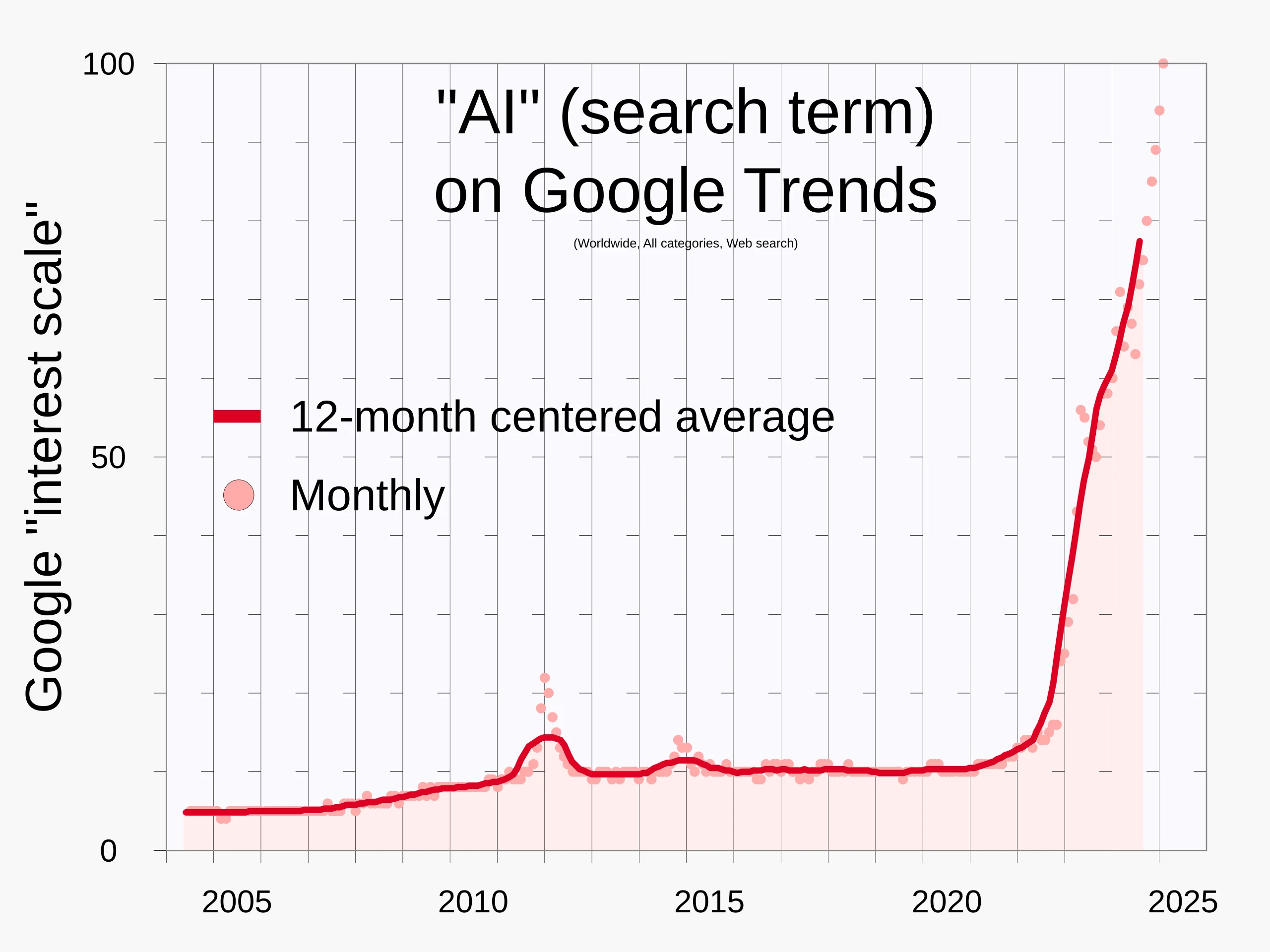
In tech, AI is changing how we talk to each other. By 2025, we'll see big changes! A study says over 80% of businesses want AI in their communication plans by then. This shows how important AI is becoming in our everyday chats. From using chatbots in customer service to boosting teamwork with AI tools, there's a lot happening. We'll check out key trends, real-world examples, and the ethical stuff we need to think about with this tech. So, let's look into the future of AI in communication and see how it'll change our world and how we connect.
Summary: This article discusses the transformative potential of AI in communication, highlighting key trends, practical use cases, and ethical considerations. It also explores the role of platforms like Deepbrain AI and AI Studios in advancing AI communication technologies.
The Transformative Potential of AI in Communication
AI's Impact on Communication Technologies
AI is revolutionizing the way we communicate. It empowers leaders to manage crises proactively by leveraging real-time data and intelligent strategies. Generative AI is transforming content creation, enabling the delivery of highly targeted and personalized messages at scale, thereby enhancing customer interactions with brands.
AI assistants have evolved beyond mere helpers; they now function as intelligent collaborators. These assistants can summarize meetings and draft messages, streamlining communication processes. The latest AI voice assistants offer more natural conversations, closely resembling human interaction. Additionally, AI-powered data analytics has become indispensable for making informed decisions in PR and communications, focusing on audience understanding and campaign optimization.
Future AI Trends in Communication
The transition from generative AI to cognitive AI marks a shift where data actively informs smarter decisions in communications. Autonomous AI agents, capable of operating without explicit step-by-step instructions, bring us closer to general AI. This advancement raises critical questions about oversight and accountability.
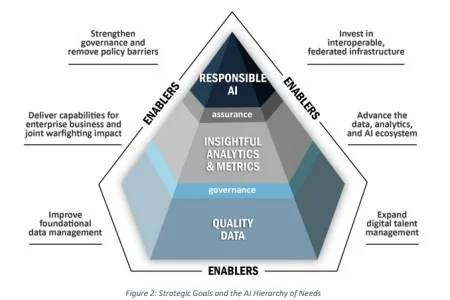
As AI regulations evolve to address challenges like misinformation and privacy, ethical AI use becomes paramount. The integration of AI and data analytics into communications will lead to increasingly personalized customer experiences and strategic PR initiatives. Telecom companies are also adopting AI to modernize networks and enhance customer interactions.
For further reading, explore these resources:
Key AI Trends in Communication
Cognitive AI Impact on Communication
Understanding Cognitive AI Capabilities
Cognitive AI takes AI beyond just generating content. Think of it as a super-smart brain that uses data to make decisions, predict what people might do, and guide future success in communication. It helps organizations make better choices by looking at past actions to predict what could happen next and improve how they communicate.
For example, a communications team can use cognitive AI to prepare crisis messages ahead of time. They can test these messages using predictive analytics to handle PR crises with great insight. This isn't just reacting; it's about anticipating and shaping outcomes.

Cognitive AI Applications in Communication
Cognitive AI is changing the way organizations talk to people and run their operations. With AI-driven game theory and real-time data analytics, crisis managers can test brand messages before they go public, turning crisis communication into a proactive effort.
Additionally, cognitive AI turns internal communication data into useful insights, making workplaces more inclusive and responsive. For instance, a company can keep an eye on employee feedback and engagement data, making timely tweaks to internal messages and cultural initiatives. Source
Autonomous Agents Enhancing Workplace Efficiency
Role of Autonomous Agents in Communication
Autonomous agents are AI systems that handle communication tasks like customer interactions and workflow automation on their own, boosting efficiency. These agents can predict customer needs and solve problems before they grow, making communication more effective.
Take an autonomous agent chatbot, for example. It can manage routine customer questions around the clock, freeing up human agents to tackle more complex issues and speeding up service. Source
Enhancing Efficiency with Autonomous Agents
Using autonomous agents has made workplaces more productive. AI chatbots and virtual assistants provide ongoing support, efficiently handling inquiries and lightening the human workload. Companies using these agents see smoother workflows and better communication.
For example, a customer service center with autonomous chatbots cut response times by 40%, letting human agents focus on more valuable tasks.
AI-Powered Chatbots Transforming Customer Interaction
Improving Customer Service with AI Chatbots
AI chatbots are changing customer service by offering 24/7 support, quick responses, and managing lots of routine questions efficiently. They create personalized customer journeys by tailoring interactions based on individual preferences and behaviors.
For example, an e-commerce site might use AI chatbots to suggest products and fix order issues instantly, boosting customer satisfaction. Source
Benefits and Challenges of AI Chatbots in Communication
AI chatbots bring many benefits, like better customer engagement and more efficient operations. They can even offer proactive support using predictive analytics. But, they do have limits. Balancing AI efficiency with a human touch is crucial to keep trust and satisfaction, especially in complex or sensitive situations.
While chatbots handle routine queries, human agents step in when empathy or a deeper understanding is needed. Source
AI Integration in Unified Communications
Enhancing Unified Communications with AI
AI is making unified communications smoother by integrating with systems to deliver personalized, automated content and enable real-time, data-driven decisions. Combining wired and wireless networks allows for seamless interactions across platforms, boosting efficiency.
A unified communication platform can use AI to personalize announcements based on employee roles and preferences, increasing engagement and clarity. Source
AI Tools Transforming Unified Communication Systems
Various AI tools are improving unified communication systems. Generative AI automates content creation, producing tailored blog posts, videos, and podcasts for specific audiences, enhancing communication on a large scale.
Additionally, AI-integrated data analytics provides insights for accurate audience targeting and strategic decision-making in PR and corporate communication. An AI-powered platform combines generative AI and analytics to deliver customized marketing campaigns across multiple channels, optimizing reach and engagement. Source
Practical Use Cases and Examples
AI Trends in Crisis Communication Management
AI-driven Game Theory Transforming Crisis Management
AI-driven game theory is revolutionizing crisis management by simulating interactions among various stakeholders. This approach enhances the prediction and improvement of communication strategies, particularly in managing conflicts and misinformation during challenging times. By integrating AI with game theory, organizations can swiftly adjust their messaging and resource allocation, thereby enhancing decision-making even amidst uncertainty.
These AI-powered simulations enable crisis managers to anticipate challenges and devise effective responses. This fosters improved coordination among different agencies and ensures that communication strategies are both proactive and effective. For instance, during emergencies, AI models can anticipate the actions of groups such as the public and responders, leading to improved evacuation communication and resource utilization, ultimately reducing chaos and enhancing outcomes.
Real-world AI Applications in Crisis Communication
AI is increasingly becoming an essential tool in real-world crisis communication, streamlining responses and enhancing efficiency. AI chatbots and virtual assistants provide 24/7 support during crises, handling numerous inquiries and disseminating accurate information. In healthcare emergencies, AI assistants manage appointment scheduling, send reminders, and address patient questions, thereby facilitating smoother communication during peak times.
Moreover, AI continuously monitors social media and news outlets in real-time to detect emerging crises and misinformation, enabling quick and proactive responses. Insurance companies leverage AI and computer vision to expedite claims processing during natural disasters, thereby improving customer satisfaction through rapid assessments and payouts. In such scenarios, AI chatbots handle customer inquiries, while AI systems monitor social media to identify misinformation, assisting crisis teams in dispatching timely corrections.
AI Trends in Personalized Communication Experiences
AI's Role in Personalized Communication
AI plays a pivotal role in personalizing communication by analyzing user data, such as behavior and preferences. This capability allows AI to deliver tailored communication, thereby increasing engagement and satisfaction. Generative AI creates customized content, including product recommendations and marketing messages, in real-time to suit individual users. Natural Language Processing (NLP) enables AI to adjust its style and tone to align with user sentiment and context, making interactions more personal.

For example, e-commerce platforms utilize AI to suggest products based on browsing and purchase history, while AI chatbots provide personalized responses to customer inquiries, crafting a unique shopping experience.
Adaptive Communication Styles with AI: Case Studies
Numerous examples illustrate how AI adapts communication styles to meet individual needs. Bank of America's Erica assistant employs AI to offer personalized financial advice and track transactions, tailoring communication to each customer. Similarly, H&M's AI chatbot assists online shoppers by suggesting products and offering sizing advice, modifying its language based on user interactions.
Generative AI in marketing creates personalized email campaigns and social media content that reflect user preferences, thereby enhancing conversion rates. In the healthcare sector, AI assistants personalize patient communication by managing appointments and sending reminders, supporting treatment adherence during crises. These examples underscore how AI can refine communication styles to enhance user experience.
Ethical Considerations in AI Communication
Balancing Innovation and Responsibility in AI Trends
Ethical Challenges in AI Communication Trends
AI tools are transforming our interactions, but they bring significant ethical considerations. A primary concern is transparency. It's crucial for people to know when they're engaging with AI and how it influences the information they receive. This transparency is key to building trust and ensuring message integrity.
Another critical issue is bias. If not properly managed, AI can perpetuate and even amplify existing stereotypes. We need algorithms that ensure fairness and do not simply mirror societal biases.
Privacy is also a pressing issue, as AI often requires vast amounts of personal data, raising questions about data ownership and potential misuse. Furthermore, mechanisms must be established to hold individuals accountable if AI causes harm or disseminates misinformation. Ethical AI is fundamentally about fairness, transparency, and responsibility to protect privacy and uphold societal values.
Strategies for Privacy and Bias in AI Trends
To address these challenges, AI systems must be transparent about data usage and decision-making processes. Effective data anonymization techniques can safeguard user information while allowing AI to function optimally.
Combatting bias involves using diverse datasets and implementing intelligent algorithms to identify and rectify biases. Regular audits by independent entities ensure the ethical integrity of AI systems. Companies should foster a culture prioritizing ethics in AI development, paving the way for responsible innovation. Clear regulations are essential to address AI's potential to introduce bias, compromise transparency, and affect message integrity.
Regulatory Impacts on AI Communication Tools
Regulatory Frameworks Influencing AI Trends in Communication
Regulatory frameworks define the ethical boundaries for AI, encompassing aspects like transparency, fairness, privacy, and accountability. These align with corporate social responsibility objectives. Companies must evaluate the ethical and social implications of AI tools before implementation. Establishing structures such as review boards or ethics committees can oversee ethical AI usage. Training teams on AI ethics is crucial for identifying issues and maintaining ethical standards.
Future Ethical AI Trends and Compliance
Looking ahead, AI standards will likely require continuous assessments of fairness, transparency, accountability, and privacy, with stakeholder input guiding responsible AI usage. As AI technology evolves, regulations will adapt, emphasizing increased accountability and compliance through rigorous testing and documentation. Industry self-regulation, supported by ethical guidelines and best practices, will be vital for the responsible development of AI. Companies must prioritize ethics to maintain trust and remain competitive as awareness of AI ethics grows.
For further reading, explore these resources:
Deepbrain AI and AI Studios
Deepbrain AI: A Leader in AI Trends for Communication
Deepbrain AI's Impact on AI Communication Trends
Deepbrain AI is a tech company that's making significant strides in AI-powered video creation and digital avatars. Their flagship product, Deepbrain AI Studios, is transforming how businesses create video content by converting text scripts into high-quality videos without the need for cameras or actors. The platform supports over 80 languages and features natural speech, realistic facial expressions, and lip-syncing, making the avatars appear lifelike. By leveraging deepfake and neural rendering technologies, Deepbrain AI combines authenticity with scalability, enhancing communication across various sectors.

Innovative AI Studios and Products Shaping Trends
Deepbrain AI Studios is a state-of-the-art platform in AI technology. It integrates with tools like ChatGPT to automatically generate scripts, thus accelerating video production. The platform boasts over 150 licensed AI avatars from diverse backgrounds and professions, ideal for explainer videos, tutorials, and product demonstrations. With customizable avatars and chatbot integration, Deepbrain AI enhances customer engagement and paves the way for personalized communication strategies.
Real-World Applications of AI Communication Trends
Deepbrain AI Products: Transforming Communication Solutions
Deepbrain AI products are utilized across multiple domains such as corporate training, e-learning, marketing, and customer service automation. For instance, Hyundai implemented Deepbrain AI Studio for customer service, demonstrating its value in creating scalable, multilingual video content for ecommerce and other industries. This technology enables businesses to produce multilingual marketing videos with custom AI avatars that communicate naturally and engagingly.
Business Advantages of AI Studios in Communication Trends
Businesses benefit significantly from Deepbrain AI Studios by reducing video production costs and time while scaling content creation. The platform enables the creation of videos in multiple languages with advanced text-to-speech capabilities, ensuring global reach and consistent brand messaging. By automating routine tasks, companies can focus on strategic goals, enhancing customer satisfaction and loyalty. This cost-effective solution offers a unique branding opportunity, differentiating businesses from competitors and fostering stronger connections with their audience. Moreover, ecommerce brands utilizing AI-generated product videos experience an 88% higher purchase intent compared to static images, highlighting the effectiveness of AI-driven content in marketing.
AI Trends in Communication: FAQ Section
How will AI trends reshape crisis communications in 2025?
By 2025, AI will significantly transform crisis communications, bringing more autonomy and efficiency to the field. AI tools are poised to streamline tasks and enhance communication processes, resulting in quicker and more effective crisis responses. In emergency situations, AI can step in to address inquiries, providing accurate information to those in need. Additionally, these tools will customize messages to suit different audiences, thereby increasing trust and engagement.
AI will also play a crucial role in identifying threats and responding to them, safeguarding communications from misinformation and security threats. For example, government agencies might employ AI chatbots to swiftly address citizens' concerns, ensuring the dissemination of accurate information while combating fake news.
For further insights, explore more about AI trends.
What role will cognitive AI trends play in business communications by 2025?
By 2025, cognitive AI will revolutionize business communications by taking over decision-making and problem-solving tasks. This will enable employees to work more efficiently and accurately. AI will seamlessly integrate into digital systems, collaborating with software to initiate workflows, reducing the need for human intervention in routine tasks. Consequently, employees will need to continually learn to effectively utilize cognitive AI.
Companies will deploy AI agents capable of drafting, sending, and replying to messages autonomously, allowing employees to concentrate on strategic work.
For a deeper understanding, delve into IBM's report.
How are AI trends with autonomous agents boosting workplace efficiency?
Autonomous AI agents are enhancing workplace efficiency by managing complex tasks with minimal human assistance. These agents can make decisions and solve problems, enabling employees to delegate both simple and challenging tasks. Integrating autonomous agents into business platforms transforms AI from a mere tool into an operator within digital systems, accelerating processes and scaling operations.
By 2025, workplaces will utilize these agents for scheduling, customer service, and data analysis independently, thereby reducing employee workload and expediting business processes. Discover more about AI's impact on workplace efficiency at Artificial Intelligence News.