

In the fast-paced world of AI at work, it's not just about knowing the tech stuff. It's also about sharpening those soft skills that make you stand out. You know, 92% of talent pros and hiring managers say soft skills are as important, if not more, than the technical ones. As AI shakes up industries, being adaptable and always learning helps us keep up with the changes. Good communication is key to working smoothly with AI, while emotional intelligence and empathy help us connect with both people and machines. And don't underestimate the value of critical thinking and problem-solving as we tackle tricky AI issues. Building strong relationships and working well with others are also crucial for team success. Ready to explore soft skills and succeed in the AI world? Let's jump in!
Adaptability and Continuous Learning in an AI-Driven Workplace
Importance of Adaptability and Learning Agility in Soft Skill Development
Adaptability is the ability to change when circumstances shift, which is crucial in an AI-driven workplace. It enables teams to handle uncertainty, learn quickly, and innovate under pressure, thereby strengthening the organization and enhancing its competitiveness.
To be adaptable, continuous learning is essential. This approach maintains flexibility and equips individuals to tackle unexpected challenges, effectively utilizing new technologies. In a world where AI is pervasive, being adaptable and committed to learning ensures organizations keep pace with technological advancements, fostering a culture of growth and innovation. AI facilitates this by integrating learning into everyday tasks, allowing employees to improve continuously without disrupting their work. For instance, a service company in Spain demonstrated that fostering adaptability and ongoing learning enhanced its resilience and innovation in a challenging, digital-first market post-pandemic.
Strategies for Cultivating Adaptability and Learning Agility
Building a culture of continuous learning begins with a clear vision and values that emphasize adaptability and flexibility. Leaders play a pivotal role by demonstrating flexible mindsets and encouraging a trial-and-error approach where both successes and failures are viewed as learning opportunities.
Organizations should provide employees with opportunities to gradually acquire new skills, allowing them to practice rather than expecting immediate mastery of AI technology. Learning and development (L&D) professionals are moving into strategic roles, becoming adept with data and AI to create targeted programs that develop essential human skills for adaptability and resilience. One company implemented this by introducing AI training tailored to each role, alongside a foundational learning plan, ensuring everyone had a common understanding and could adapt to technological changes smoothly.
Advantages of Embracing Adaptability and Continuous Learning
Teams and employees who are adaptable can address unexpected problems, embrace new technologies, and drive growth and innovation. Continuous learning enhances agility and innovation over time, aiding organizations in succeeding amidst rapid technological changes and AI advancements. Training in human skills like emotional intelligence, critical thinking, and adaptability is crucial as AI assumes routine tasks, preparing employees to tackle complex challenges and collaborate effectively.
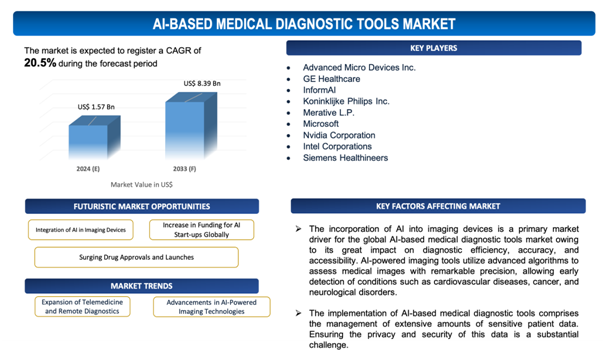
A lifelong commitment to learning and adaptability is vital for keeping up with rapidly evolving AI technology and understanding how to use AI strategically at work. Employees who continuously refine their adaptability and learning agility can effectively integrate AI tools into their workflows, enhancing problem-solving skills and maintaining relevance in a changing workplace. This dedication not only yields personal benefits like job satisfaction and career growth but also boosts organizational innovation and competitiveness.
Adaptability and continuous learning in the workplace are key to thriving in an AI-driven era, fostering resilience, innovation, and strategic use of emerging technologies.
Effective Communication Skills for AI Collaboration
Communication's Impact on AI-Driven Workplaces
In workplaces where AI plays a pivotal role, communication is essential for seamless human-machine collaboration. To harness AI's full potential, it's vital to establish clear goals and objectives, ensuring AI projects deliver tangible value. Strong communication skills facilitate AI adoption and enhance its performance, thereby improving communication across the organization.
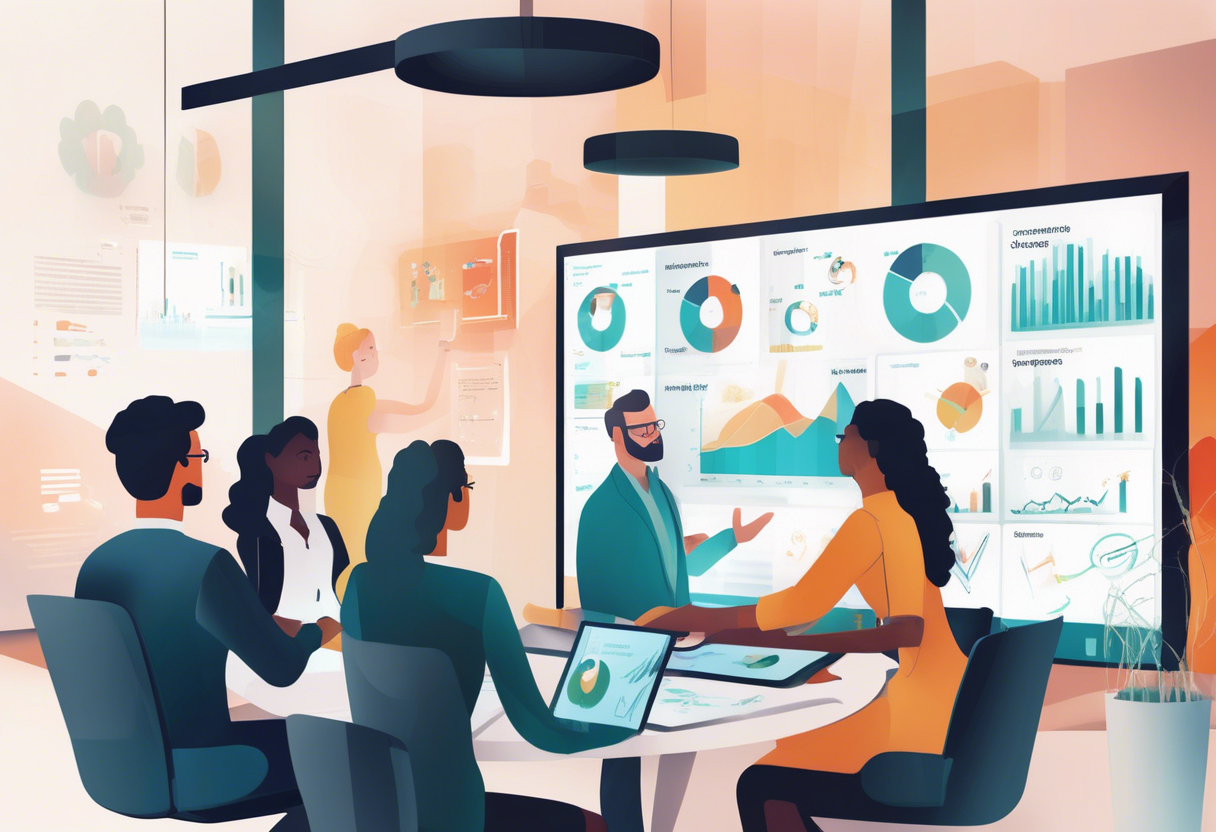
AI tools such as automatic transcription, meeting summaries, and scheduling are instrumental in streamlining communication, particularly in virtual meetings and collaborative efforts. For instance, if a company deploys AI for customer support, they might aim to reduce response times by 30%. Clear communication would guide AI responses and monitor the effectiveness of these efforts.
Integrating AI Tools for Enhanced Communication
Integrating AI tools into communication systems requires strategic planning. Breaking down large tasks into manageable steps enables AI to perform effectively. AI tools can provide personalized feedback on communication aspects like tone and pace, thereby fostering soft skills and confidence.
Real-time language translation tools are invaluable for multilingual teams, ensuring mutual understanding and inclusivity. For example, a company might use AI to analyze employee presentations, offering feedback on speech clarity and tone, which aids in honing communication skills.
Training and Development for Soft Skill Enhancement
Training is crucial for equipping employees with the knowledge to utilize AI tools effectively. Training programs should encompass both technical and soft skills, such as active listening and articulate speaking, to enhance interactions with AI. AI tools are revolutionizing soft skills development by providing personalized practice and learning opportunities.

McDonald's, for example, has implemented an AI-powered training program known as the McDonald's Global Learning Portal, which customizes soft skills training based on individual employee needs and preferences.
Customizing AI Tools for Communication Needs
AI tools should be tailored to address an organization’s specific communication requirements. Features like language preferences and communication style adjustments enhance usability, facilitating quicker adoption and broader utilization among employees.
Implementing Feedback for AI Communication Tools
Robust feedback systems are vital for refining AI tools and their integration into communication systems. Encouraging employees to share feedback and suggestions for improvements fosters a culture of continuous enhancement and innovation, ultimately leading to more effective AI tools.
Evaluating AI-Enhanced Communication Effectiveness
To determine whether AI-enhanced communication systems are achieving their objectives, it's important to measure their effectiveness. Establish clear, measurable goals aligned with business needs—such as faster response times or improved accuracy—to assess AI's impact on communication.
AI-generated meeting transcriptions and summaries ensure accurate records of discussions and decisions, aiding in follow-ups and project management. Research indicates that combining robust communication strategies with AI significantly boosts communication effectiveness, with studies corroborating these findings. Organizations can monitor metrics like decision implementation speed and communication clarity to evaluate their AI communication tools.
Emotional Intelligence and Empathy in AI Contexts
Understanding Emotional Intelligence and Empathy in AI
Emotional intelligence (EI) in people is all about understanding and managing emotions. It includes being aware of yourself and having empathy. Empathy is crucial for EI because it helps AI systems pick up on and react to users' feelings, making interactions better, especially in areas like healthcare and customer service.
Emotional AI, or affective computing, combines psychology, cognitive science, and computer science to help machines recognize and respond to human emotions. Take an AI chatbot, for example. It can change its replies based on how the user feels, offering support that feels more personal and understanding.
Emotional Intelligence's Impact on AI Collaboration
AI with emotional intelligence can sometimes outdo humans in emotional intelligence tests, which shows promise in fields like education, coaching, and conflict resolution. AI figures out emotions by:
- Analyzing voices and faces
- Processing language
- Understanding context

This makes interactions smoother by adapting to how people feel, boosting trust and empathy, especially in sensitive areas like healthcare and customer service. Imagine an AI in healthcare that tracks how patients feel to improve care. Emotion-aware AI also enhances customer experiences by adjusting responses to match emotions, which can lead to better personalization and loyalty to a brand.
Advancing Emotional Intelligence and Empathy in AI
To develop emotional intelligence in AI, we train models using diverse emotional data, including voice, facial expressions, and context. However, there are challenges:
- Differences in how people show emotions
- The need for quick responses
- Ethical issues like privacy and bias
Advances in deep learning and processing diverse data have made AI better at recognizing emotions. Still, more research is needed to make these systems more reliable, understandable, and culturally aware. For instance, deep learning models trained on varied emotional data can help AI assistants better understand users from different cultures.
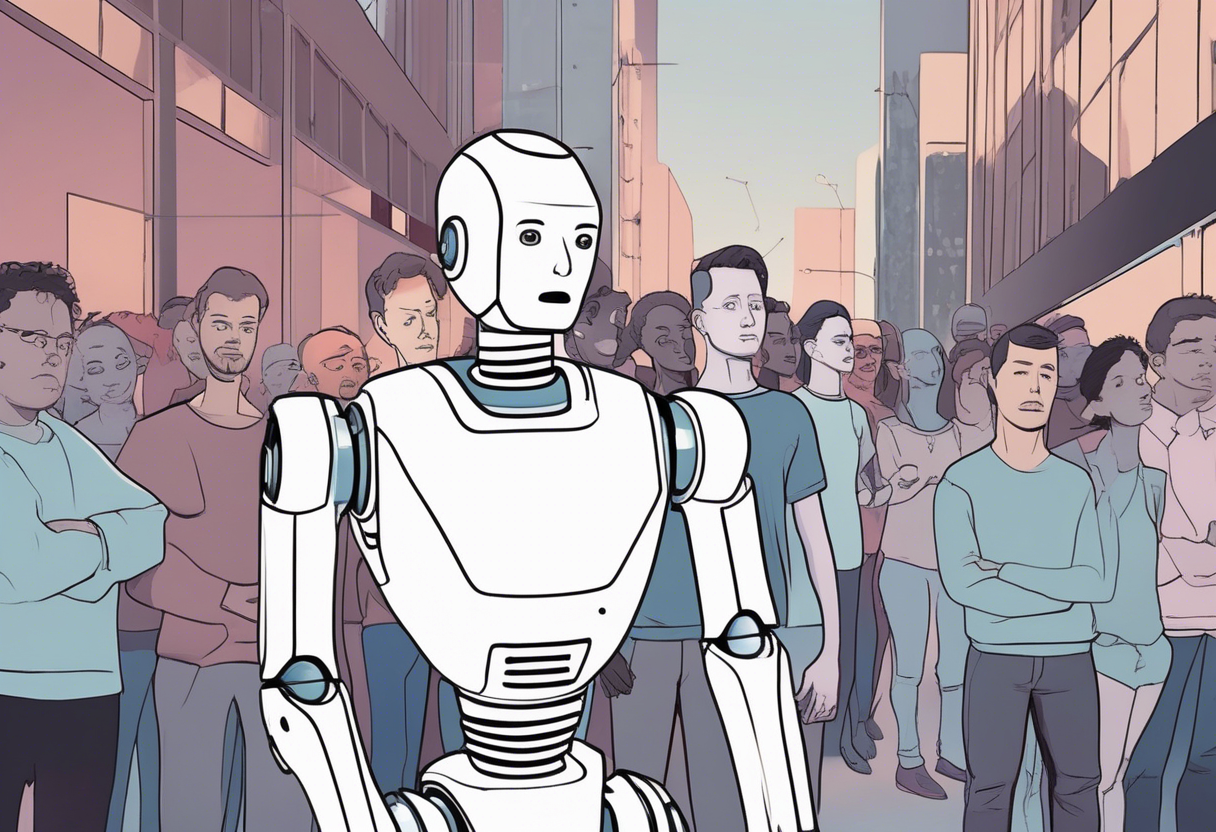
AI coaching platforms, like TalentSmartEQ's EQ coach, show how AI can help develop soft skills by providing emotional insights and training in empathy, negotiation, and conflict resolution. This makes emotional intelligence more accessible.
As AI grows, being able to empathize with both humans and machines becomes more important. Adding emotional intelligence and empathy to AI isn't just about better tech interactions; it's about improving how we connect with each other in a tech-driven world. By building these skills, we can create a more empathetic society that uses AI's potential while keeping our humanity intact.
Critical Thinking and Problem-Solving for Soft Skill Development in AI Era
The Role of Critical Thinking in AI-Driven Workplaces
In the AI-driven era, critical thinking is more important than ever. While AI can automate tasks and process data efficiently, it lacks the human touch—judgment, creativity, and ethics. This is where critical thinking becomes essential. It enables us to interpret AI insights, tackle problems beyond algorithmic patterns, and address ethical dilemmas with intelligence.
The World Economic Forum's Future of Jobs Report highlights critical thinking and problem-solving as top skills needed globally by 2025, underscoring their significance in AI settings. Consider public procurement: AI can identify trends and risks, but human judgment is necessary to evaluate these within the context of real-world markets and supplier dynamics, ensuring decisions are strategic and ethical.

Strategies to Enhance Critical Thinking and Problem-Solving Skills
Improving critical thinking involves analyzing facts, evaluating evidence, and making informed decisions. It's about understanding and applying concepts rather than rote memorization. With an abundance of AI-generated content, honing these skills is crucial for assessing the credibility and relevance of information.
However, AI tools can sometimes lead to complacency, creating the illusion that critical thinking is less necessary. Building confidence in our critical thinking abilities is vital to maintain mental sharpness and engagement. To enhance these skills:
- Engage in continuous learning through online courses.
- Question assumptions and seek diverse perspectives.
- Practice ethical decision-making with real-world scenarios.
- Seek feedback to refine your approach.
For students, focusing on understanding concepts, evaluating AI-generated study materials, and developing problem-solving skills—rather than mere memorization—can significantly enhance their critical thinking.
Assessing Critical Thinking Skills in AI Workplaces
To assess critical thinking skills, observe how individuals question AI outputs and avoid groupthink, prioritizing independent thought in decision-making. Effective critical thinkers use context to fill AI's gaps, ensuring AI insights are practical and applicable in real-world situations.
Surveys indicate that increased reliance on AI tools can diminish critical thinking, while confidence in one's own critical thinking fosters greater mental effort and task management. Companies can evaluate employees' critical thinking by examining how they challenge AI suggestions, consider alternative viewpoints, and integrate human judgment to prevent over-reliance on algorithms.

Utilizing scenario-based assessments, standardized tests, and peer reviews can provide a comprehensive view of critical thinking skills within an organization, guiding development efforts to equip employees for the complexities of AI-driven workplaces.
In the AI era, soft skills like critical thinking complement AI's technological strengths, aiding in the interpretation of AI results, ethical reasoning, collaboration, and adaptability. These skills enhance human-machine collaboration, promote responsible AI use, and prepare future leaders to navigate AI-driven changes.
Fostering Collaboration and Relationship-Building in AI Workplaces
Importance of Collaboration in AI-Driven Workplaces
In workplaces where AI is at the forefront, working together effectively is a must. As AI technology continues to evolve, it demands a blend of human creativity and machine efficiency. This combination is crucial for innovation and problem-solving. While AI can handle routine tasks, human involvement is essential for interpreting data, strategizing, and decision-making.
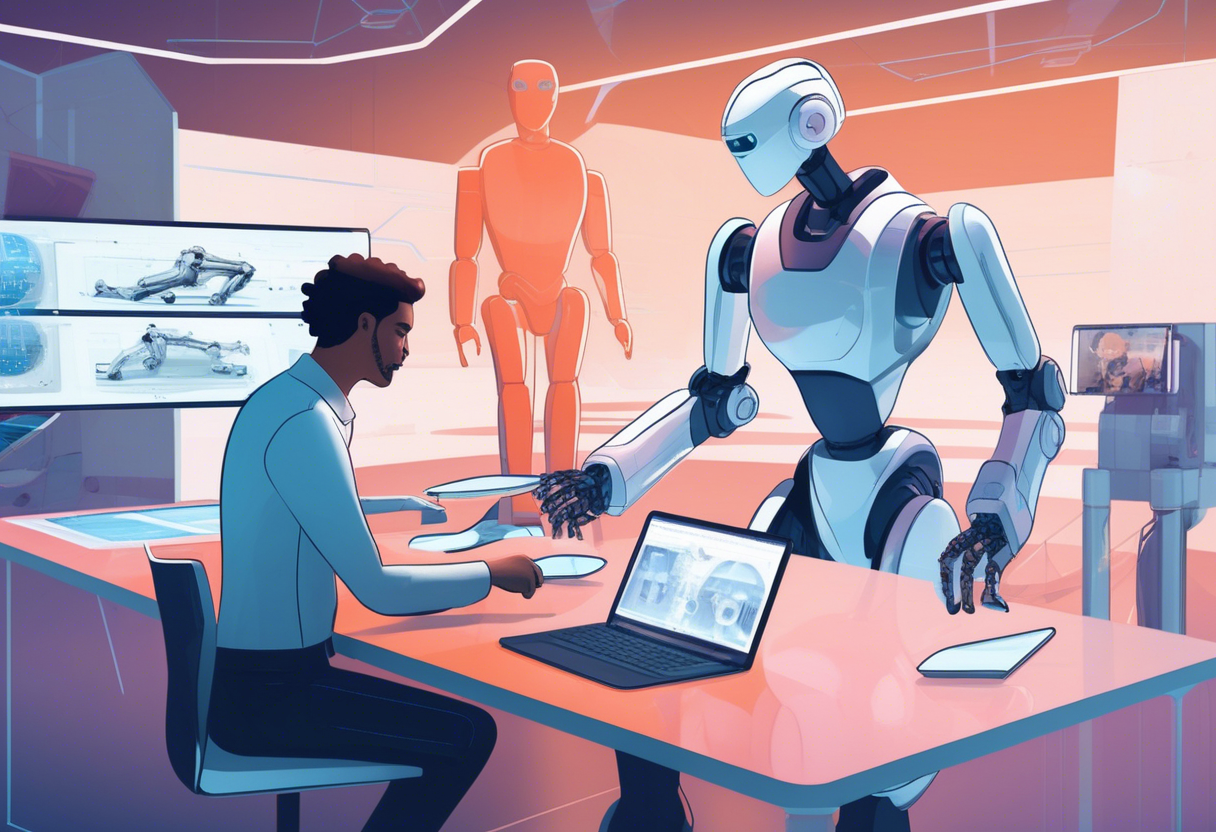
In these environments, collaboration involves integrating diverse skills—such as those of data scientists and business strategists—toward a common objective. Good communication and interpersonal skills are vital for sharing ideas and addressing challenges as a team. Soft skills like emotional intelligence, adaptability, and teamwork are indispensable in navigating fast-paced, tech-centric work settings.
Successful teamwork hinges on active listening, understanding colleagues, and resolving conflicts positively, which fosters trust and cooperation. In these workplaces, collaboration is not just beneficial—it's essential for success. For more on the importance of building relationships, check out this link.
Developing Strong Workplace Relationships in AI Settings
Strong workplace relationships are the foundation of effective teamwork, creating an atmosphere of trust and respect, especially crucial in AI-driven projects. Key skills for fostering these relationships include:
- Active listening
- Empathy
- Clear communication
- Conflict resolution
- Emotional intelligence
These skills help establish a safe space for genuine conversations, enhancing morale, productivity, and work quality. Understanding body language and non-verbal cues can deepen connections among team members. Encouraging open sharing of ideas and feedback helps break down barriers and fosters a sense of belonging.
Regular team-building activities can also strengthen these connections, making teamwork feel more natural. Empathy plays a significant role in building relationships. Recognizing and valuing colleagues' perspectives and feelings can lead to smoother interactions and a more unified team. To learn more about developing these skills, visit Indeed's guide.
Evaluating Collaboration Success in AI-Driven Teams
Evaluating how well collaboration is working is crucial for maintaining progress. Key indicators include improved communication, frequent conflict resolution, and high-quality team output. Effective collaboration typically results in creative solutions, timely project completion, and superior results.
Feedback from employees and their level of engagement can reflect the state of teamwork and relationship-building. Gathering feedback through surveys or regular check-ins provides a clear picture of the collaborative process, highlighting strengths and areas for improvement.
Monitoring the growth of soft skills like teamwork, adaptability, and emotional intelligence over time helps assess the effectiveness of collaboration and workplace harmony. High engagement levels often indicate a healthy collaborative environment where team members feel valued and motivated. Keeping an eye on engagement with tools like pulse surveys can help identify trends and areas needing attention. For more on why soft skills matter, check here.
FAQ
Cultivating Adaptability and Learning Agility in the Workplace
Adaptability is essential for managing unexpected challenges. Companies can foster a culture of continuous learning and openness to change by implementing soft skills training programs that incorporate interactive content and real-time feedback. These programs make learning personal and engaging, helping employees adjust to new situations more effectively.
Feedback from coworkers, supervisors, or mentors plays a crucial role. It identifies areas for improvement and encourages openness to change. For instance, a company might utilize an AI-based platform offering custom scenarios and simulations, allowing employees to practice adaptability and receive feedback on their performance.
Best Strategies for AI Integration in Communication Systems
Integrating AI tools can significantly enhance the development of soft skills by addressing challenges like low engagement and lack of personalization. AI platforms can deliver adaptive content and interactive simulations, which enhance real-time feedback and analytics, thereby improving communication skills. By analyzing communication patterns, companies can tailor training to meet specific team needs, resulting in better interactions.
Consider a company using an AI communication platform. It might provide instant feedback on clarity or friendliness during virtual meetings, enabling immediate improvement. This approach not only enhances communication effectiveness but also ensures seamless integration of AI tools into existing systems.
Measuring the Effectiveness of Soft Skills Training
Assessing the effectiveness of soft skills training is vital for understanding its workplace impact. Companies can evaluate success by examining productivity increases, employee retention, and customer service quality. AI-powered training platforms offer real-time analytics, showcasing engagement and skill development, providing clear results.
Additionally, feedback from coworkers, supervisors, and mentors helps assess how improved soft skills influence workplace behavior and relationships. A company might employ an AI-driven platform to monitor progress and gather feedback post-training, linking these insights to enhanced teamwork and customer satisfaction.
To maintain effectiveness, companies can conduct follow-up sessions or refresher courses to reinforce skills and provide additional measurement opportunities. This ongoing evaluation ensures that soft skills training remains relevant and impactful over time.
According to Modernization WSU, 92% of professionals consider soft skills as important, if not more so, than technical skills. This underscores the importance of effective training programs. By focusing on adaptability, communication, and measuring success, companies can significantly enhance their teams' soft skills, leading to improved productivity and workplace dynamics.
| Section | Example/Case Study |
|---|---|
| Adaptability and Continuous Learning | A service company in Spain demonstrated that fostering adaptability and ongoing learning enhanced its resilience and innovation in a challenging, digital-first market post-pandemic. |
| Strategies for Cultivating Adaptability | One company implemented AI training tailored to each role, alongside a foundational learning plan, ensuring everyone had a common understanding and could adapt to technological changes smoothly. |
| Training and Development for Soft Skills | McDonald's has implemented an AI-powered training program known as the McDonald's Global Learning Portal, which customizes soft skills training based on individual employee needs and preferences. |
| Emotional Intelligence and Empathy in AI | TalentSmartEQ's EQ coach shows how AI can help develop soft skills by providing emotional insights and training in empathy, negotiation, and conflict resolution. |
| Critical Thinking in AI Workplaces | The World Economic Forum's Future of Jobs Report highlights critical thinking and problem-solving as top skills needed globally by 2025. |
| Evaluating Collaboration Success | Gathering feedback through surveys or regular check-ins provides a clear picture of the collaborative process, highlighting strengths and areas for improvement. |
| FAQ – Adaptability in the Workplace | Companies can foster a culture of continuous learning and openness to change by implementing soft skills training programs that incorporate interactive content and real-time feedback. |