
Leadership isn't just about the old-school ways anymore. It's a mix of tech and human smarts. Did you know 77% of companies see digital transformation as a must-do, but only 30% actually get it right? That shows how important it is for leaders to get comfy with the digital world. Here, we'll look at the key skills leaders need now, how tech fits into leadership, and the hurdles and strategies for nailing digital leadership. Whether you're a pro or just starting out, knowing how to use tech to boost your leadership game matters. Let's dive into what leadership looks like today!
Summary: Dieser Artikel beschreibt die wesentlichen Fähigkeiten und Strategien, die für erfolgreiches Führen im digitalen Zeitalter erforderlich sind, einschließlich der Integration von Technologie und der Überwindung von Herausforderungen.
Understanding Leadership in the Digital Era
Definition of Digital Leadership
Digital leadership involves how leaders leverage digital tools and strategies to guide and motivate their teams toward achieving business goals. It combines a clear vision, technological expertise, and strong leadership skills to drive digital transformation. Rather than depending on a single tech-savvy individual, digital leadership emphasizes a collaborative approach where a group of leaders contribute their diverse skills. Consider a CEO who sets a digital vision, manages resources, and fosters innovation—this exemplifies digital leadership in action. It's not merely about adopting technology; it's about transforming the entire organization into a digital powerhouse focused on continually enhancing service quality.
Importance of Technology in Leadership Tech
In today's landscape, technological proficiency is essential for leaders. They must grasp emerging technologies, digital platforms, and data analytics to address business challenges and create value. Tools like project management software and video conferencing are crucial for promoting transparency and teamwork, particularly in remote or hybrid settings. Platforms such as Slack, Microsoft Teams, and Zoom enable leaders to stay aligned with their objectives.
Technology also facilitates change management by simplifying training and aiding teams in adapting to new workflows. Leaders should harness technology to build inclusive teams that embrace innovation, regardless of location. By utilizing digital tools for brainstorming and project tracking, leaders ensure remote teams remain connected and motivated.
Essential Traits for Leadership Tech Success
Effective digital leaders possess technological acumen and can educate their teams on its application. They are forward-thinking, identifying trends and anticipating the impact of digital changes on their organizations. Adaptability and agility are crucial, given the rapid pace of the digital landscape and the potential need for strategy shifts.
Clear and empathetic communication is vital during digital transformations to inspire teams and address concerns. Collaboration and inclusivity are also essential, fostering diverse teams and a culture that values digital skills and innovative ideas. A strategic mindset ensures that digital initiatives align with broader business goals and that technology investments yield returns.

A team-oriented approach is critical for leaders driving digital transformation. They must collaborate across various departments without losing sight of the organization's overarching objectives. Often serving in roles like Chief Digital Officer or Chief Technology Officer, digital leaders work with multiple departments to integrate digital projects into the organizational framework. They oversee project management, resource allocation, and risk management, utilizing data to make informed decisions and ensure the success of digital transformation efforts.
Essential Leadership Tech Skills
Emotional Intelligence for Digital Leadership
In the fast-changing world of leadership tech, emotional intelligence (EI) is a must-have skill for leaders. EI involves understanding and managing your own emotions while also being attuned to others' emotions. This skill becomes even more crucial in digital spaces where body language cues are absent.
Leaders with strong EI can adeptly navigate tricky interpersonal situations, fostering teamwork and effectively managing hybrid and remote teams. To achieve this, they must:
- Be flexible
- Build trust
- Maintain open communication
- Stay connected despite physical distances
Compassion and sensitivity allow leaders to demonstrate genuine care for their employees' needs. By regularly checking in with remote team members, understanding their challenges, and providing support, leaders exhibit emotional intelligence in the digital realm.
For more insights on future leadership skills, explore this ITD World article.
Effective Communication in Tech Leadership
Proactive communication is essential for effective leadership in tech. In digital environments, leaders must leverage various communication tools to ensure clarity and foster collaboration.
Participative management, which involves actively listening and engaging team members, enhances team communication. Good technical leadership encompasses:
- Providing clear directions
- Setting standards
- Offering guidance
- Leading by example
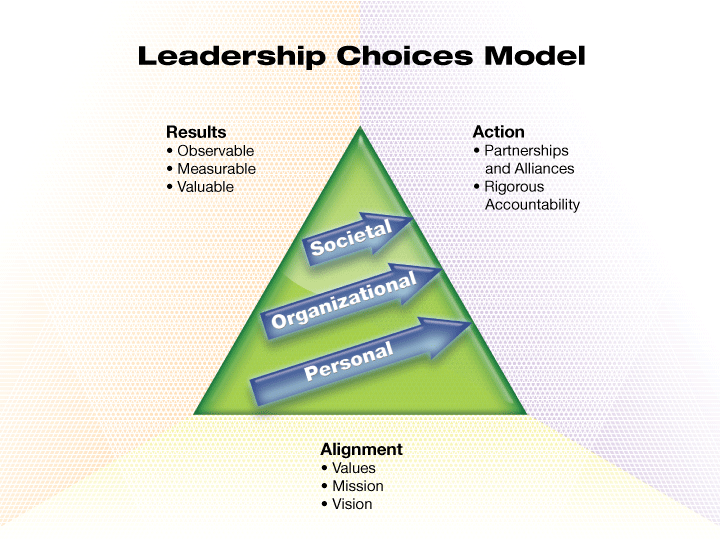
These practices help achieve organizational goals. Managing hybrid and remote teams necessitates proactive communication to maintain connectivity and trust across distances. A tech lead who conducts regular virtual meetings and utilizes collaborative tools exemplifies proactive communication in action.
Discover more about technical leadership skills in this Revelo blog post.
Building Trust in Leadership Tech
Building trust and managing relationships are pivotal in leadership tech. Establishing strong working relationships with colleagues and external partners is essential for effective leadership. Leaders must respect differences and value diversity to cultivate trust and inclusive relationships within diverse teams.
Trust in technical leadership is bolstered by deep technical expertise and experience, which enhance credibility and inform decision-making. A technical leader who seeks input from diverse team members and consistently demonstrates competence strengthens trust and builds enduring professional relationships. This approach is critical for sustaining performance and driving success.
For further insights on leadership competencies, visit AIHR's blog.
Each of these skills—emotional intelligence, proactive communication, and trust-building—forms a key pillar for effective leadership in tech-driven environments. They empower leaders to guide their teams, foster innovation, and align technology with business goals. For a deeper exploration of IT leadership skills, the University of San Diego offers valuable insights.
Integrating Technology into Leadership Practices
Enhancing Leadership with Collaboration Platforms
In today's educational landscape, forward-thinking leaders are revolutionizing leadership by fostering a team-centric culture. By uniting teachers, students, and administrators, they ensure that everyone is aligned, making technology and equity initiatives more inclusive.
Take Norwalk Public Schools as an example. They have established an AI advisory board alongside a strategic board comprising top-level leaders. This framework exemplifies how collaborative platforms can maintain tech-driven education's fairness and effectiveness. By involving all stakeholders in decision-making, these platforms ensure that technological efforts align with the community's needs.
Leadership Through Data-Driven Decisions
Incorporating data into decision-making is crucial in contemporary leadership, particularly within educational institutions. When leaders utilize data regarding technology usage and instructional effectiveness, it can significantly enhance teacher performance and student learning outcomes.
By grounding plans and resource allocations in data, leaders can ensure sustainable tech infrastructures and equitable access. At Norwalk Public Schools, the strategic board leverages data to allocate resources wisely, thereby sustaining their digital equity initiatives. This approach not only elevates educational quality but also cultivates a culture of continuous improvement and accountability.
Advancing Leadership with AI and Emerging Technologies
The integration of emerging technologies, such as AI, is transforming educational practices while maintaining a focus on equity and community needs. Leaders are advocating for innovation by supporting sustainable tech infrastructures and novel tools.
Norwalk Public Schools serves as a prime example. Their AI advisory board, which includes teachers, students, and administrators, collaborates to integrate AI into education. This collaborative effort demonstrates a strong commitment to leveraging new technologies in alignment with equity objectives. By embracing AI and other technological advancements, school leaders can ignite innovation, enhance learning, and ensure that every student benefits from digital transformations.
In summary, integrating technology into leadership is essential for educational transformation. By utilizing collaboration platforms, making data-driven decisions, and embracing AI and emerging technologies, leaders can cultivate learning environments that are inclusive, equitable, and progressive. These strategies not only advance education but also prepare students for success in the digital era. With a clear vision and a commitment to equity, educational leaders can navigate technological challenges and steer their schools toward a future where every student has the opportunity to thrive.
Overcoming Challenges in Digital Leadership
Managing Remote Teams and Virtual Workspaces in Leadership Tech
In our digital world, leading isn't just about using new tools—it's about being open to change. By 2025, digital leaders will need to guide their teams through a tech-heavy landscape. This involves keeping up with a fast-paced work environment, particularly when managing remote teams during rapid digital changes. For more insights, check out the Digital Leadership Guide.
Leaders should employ strategies like cloud-native systems and AI to boost productivity and maintain strong virtual teams. For instance, a tech leader might leverage AI tools and cloud platforms to streamline communication and decision-making across globally distributed teams. This not only facilitates real-time interactions but also fosters a sense of connection among team members.

Navigating Technological Change in Leadership Tech
Leading in 2025 means confronting constant changes, which requires bold thinking and quick adaptation to new technologies. According to Key Trends Influencing Technology Leadership, digital leaders must blend hands-on skills with forward-thinking to create enduring digital environments while ensuring security is integral to innovation.
Successfully managing tech changes involves:
- Promoting digital learning
- Using data transparently
- Moving talent strategically
- Maintaining organizational flexibility
Consider a CIO who leads a transition to multi-cloud systems while ensuring security and fostering a culture that swiftly adapts to tech trends. Leaders must articulate the benefits and changes accompanying new technologies to their teams, smoothing transitions and reducing resistance.
Balancing Technical and Interpersonal Skills in Leadership Tech
Digital leadership transcends technology; it's about cultivating a culture that embraces change and aligns digital growth with company objectives. As highlighted in the Digital Leadership Guide, leaders should refine their people skills to promote transparency, support mental health, and encourage resilience—key factors for long-term success in digital domains.
Balancing technical expertise with empathy and communication enables leaders to manage talent effectively and drive innovation during rapid digital transformations. For more on this, see Mastering Digital Leadership Practices.

A digital leader proficient in AI who listens to their team while supporting mental health can cultivate a motivated, innovative workforce. Additionally, diverse teams bring fresh ideas, leading to enhanced solutions and decisions.
In summary, overcoming challenges in digital leadership involves:
- Effectively managing remote teams
- Navigating technological changes with strategic planning
- Balancing technical and interpersonal skills to foster a culture of innovation and resilience
Practical Strategies for Digital Leadership Success
Developing a Digital Leadership Roadmap
To kick off a digital leadership roadmap, start with a digital-first mindset. This means putting digital tools and strategies at the forefront when making decisions. Consider how technology can boost business and spark new ideas. It's about balancing fresh ideas with execution, and staying flexible as the market and technology evolve. Continuous learning is essential to stay on top of new trends and technologies, allowing you to tweak strategies when needed.
Steps to Develop Your Roadmap:
- Assess Current Technology: Begin by evaluating your current tech setup to identify areas for improvement or innovation.
- Cross-Departmental Input: Gather insights from various departments to ensure alignment with overall goals.
- Prioritize Impactful Initiatives: Focus on initiatives with significant impact and feasibility, setting clear milestones and timelines to track progress.
- Monitor Trends: Keep an eye on tech trends and business needs, adjusting the roadmap as needed to maintain its relevance and effectiveness.
Fostering Innovation and Continuous Learning
Creating a culture of innovation involves encouraging teams to be creative and try new things. Digital leaders should foster an environment where taking calculated risks is acceptable, and failure is part of the learning process. This mindset helps teams continue innovating and tackling new challenges. Emphasize digital learning and leverage data insights to fuel innovation. Invest in training to enhance employees' digital skills and promote cross-functional teamwork.
Encouragement Tactics:
- Industry Engagement: Encourage your team to attend industry events and network to stay updated on trends and best practices.
- Mentorship Programs: Implement mentorship programs to facilitate knowledge transfer from seasoned employees to newer team members.
By embedding these practices, organizations can maintain a strong and agile rhythm in digital leadership.
Aligning Technology with Organizational Goals
Aligning technology with organizational goals is crucial for maximizing the value of digital projects. Utilizing data analytics aids in making informed decisions that align with business objectives. Digital leaders must ensure that technology enhances goals rather than being used for its own sake. Strategic thinking is essential for this alignment, ensuring digital efforts drive business success.
Strategies for Alignment:
- Stakeholder Collaboration: Engage with key players like IT leaders, department heads, and users to understand their needs and challenges.
- Technology Selection: This collaboration aids in selecting the right technology to address specific problems and boost productivity.
- Governance Framework: Establish a governance framework to oversee tech projects and maintain alignment with strategic goals.
- Performance Monitoring: Regularly evaluate tech solutions' performance and their impact on achieving goals, using data to refine strategies for better alignment.

By crafting a digital leadership roadmap, nurturing a culture of innovation and learning, and aligning technology with organizational goals, leaders can effectively manage digital transformation and steer their organizations toward lasting success.
FAQ Section
Compétences essentielles pour un leader adaptatif en télétravail
En télétravail, un leader adaptatif doit bien intégrer la technologie numérique dans la vision, la stratégie et les opérations de l'entreprise pour offrir une valeur durable aux employés et aux parties prenantes. Il faut savoir inspirer, guider et influencer vers des objectifs communs, tout en encourageant la collaboration, la communication ouverte, la confiance et le respect mutuel.
Les leaders doivent également pratiquer l'empathie, la compassion, la vulnérabilité, la gratitude, la conscience de soi et le soin de soi pour soutenir leurs équipes émotionnellement et cognitivement. Cela crée un sentiment de sécurité psychologique dans les équipes à distance.
Encourager l'apprentissage continu et l'adaptabilité est crucial, tout comme adopter les transformations numériques pour gérer efficacement les équipes à distance. Satya Nadella chez Microsoft est un bon exemple de leadership adaptatif, ayant mené la transformation numérique de l'entreprise en se concentrant sur le cloud et l'intelligence artificielle, alignant technologie avec stratégie d'entreprise et engagement des employés.

Transformation du leadership par la technologie
La technologie permet aux leaders de guider et d'influencer les organisations en intégrant des outils numériques dans tous les aspects des affaires, comme le marketing, les opérations et les ressources humaines. Le leadership numérique, ce n'est pas juste maîtriser la technologie; c'est l'utiliser de manière innovante pour créer une valeur durable et saisir de nouvelles opportunités.
Le leadership technique combine une expertise technique avec la gestion des personnes pour superviser les équipes de développement et s'assurer que les projets atteignent les objectifs de l'entreprise. La technologie facilite des modèles de travail décentralisés et une prise de décision plus rapide, comme l'a montré Moderna pendant la pandémie, permettant aux équipes de travailler plus indépendamment et d'accélérer l'innovation.
Les programmes de leadership qui intègrent la transformation numérique et l'intelligence artificielle améliorent l'apprentissage continu et l'adaptabilité, rendant le leadership plus efficace dans un environnement axé sur la technologie. Jeff Bezos a utilisé la technologie numérique de manière innovante pour transformer Amazon d'une librairie en ligne en un leader mondial du commerce électronique et du cloud computing.
Défis des managers virtuels dans le leadership tech
Les managers virtuels doivent garder leur équipe motivée, communicative et collaborative malgré la distance physique et l'absence d'interaction en face à face. Créer un sentiment de sécurité psychologique et de soutien émotionnel à distance demande de l'empathie, de la vulnérabilité et une reconnaissance continue envers les équipes.
Gérer des équipes techniques virtuellement nécessite un équilibre entre résoudre des problèmes techniques et gérer les personnes pour assurer le succès des projets et la croissance des employés. Les managers virtuels doivent adapter leur style de leadership aux outils et plateformes numériques tout en garantissant un apprentissage continu et une adaptabilité parmi les membres de l'équipe.
Pendant la pandémie de COVID-19, Moderna a augmenté la fréquence des réunions et décentralisé la prise de décision pour surmonter les défis de la gestion virtuelle et accélérer le développement du vaccin.