
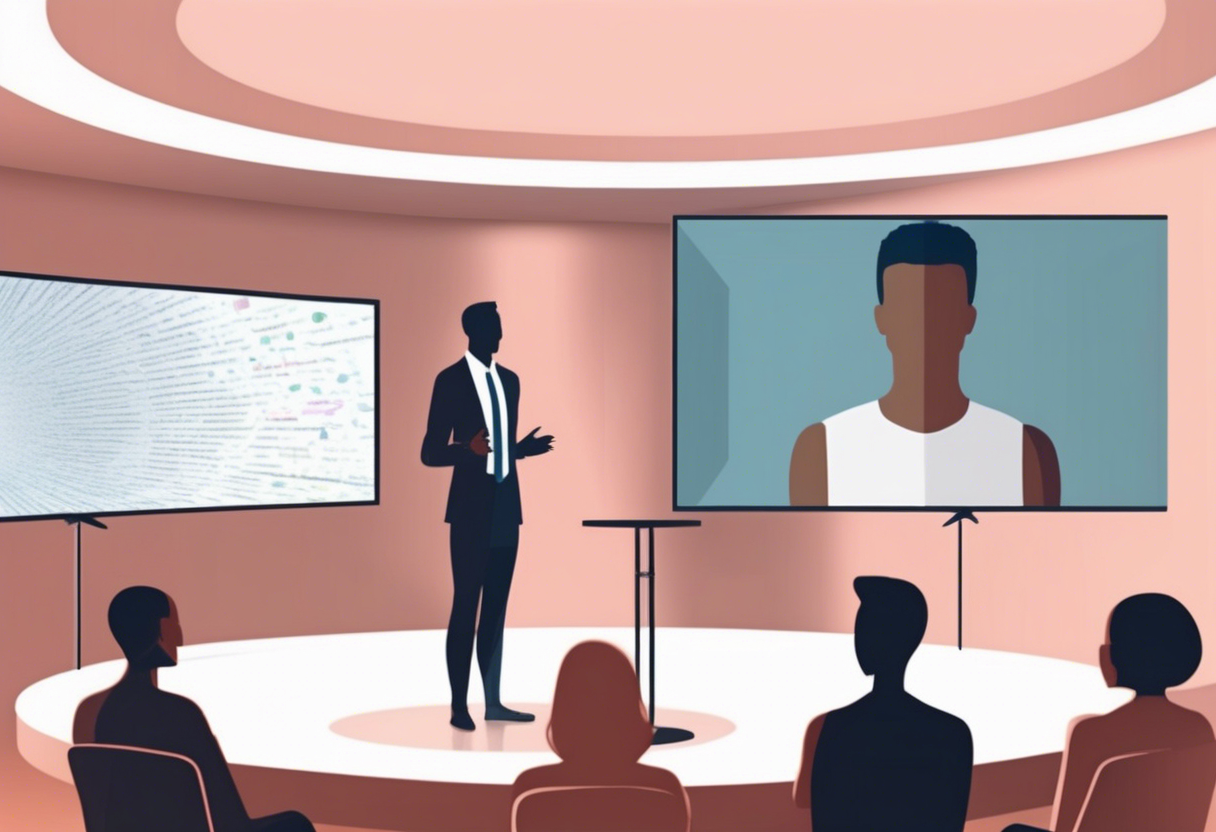
Public speaking can be nerve-wracking, right? Whether you're talking to a room full of executives or giving a toast at a friend's wedding, many of us feel the fear. But now there's AI stepping into the world of public speaking. It's a tool that could really change how we get ready, practice, and perform. Did you know about 75% of people feel some anxiety speaking in public? Now, think about having a digital coach that listens to you, gives feedback on your speech, and helps you improve your presentation skills. In this article, we'll look at how AI is making its mark in public speaking, see how it's being used, and think about where this technology might go. We'll also talk about the ethical questions it raises and answer some common concerns about AI coaching. If you're ready to step up your speaking game, let's get started!
Summary: This article discusses the role, practical applications, and future innovations of AI in public speaking, along with the ethical considerations and limitations of AI coaching. It provides insights into how AI can enhance public speaking skills and addresses common questions in the FAQ section.
The Role of AI in Public Speaking
Exploring AI's Impact on Public Speaking Skills
AI technology, such as generative AI and virtual reality (VR), is revolutionizing the field of public speaking. These tools help reduce anxiety, enhance speech delivery, and boost confidence. For instance, generative AI-powered assistants can transcribe your speech, identify filler words and grammatical errors, and provide suggestions to refine your skills. This technology offers insights that may be overlooked by human evaluators, making skill improvement more efficient.
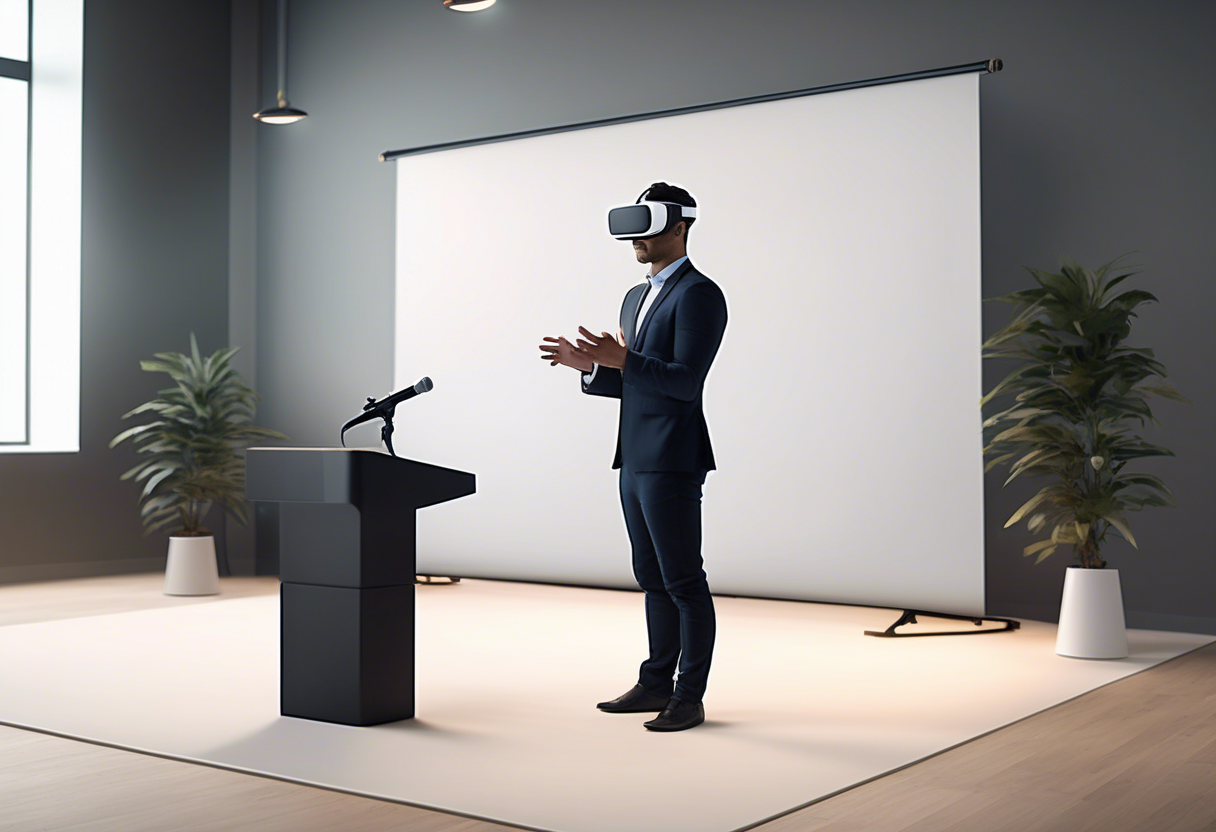
Moreover, AI-driven VR platforms create immersive training environments. They assist individuals in overcoming glossophobia—the fear of public speaking—by simulating real audience settings and providing AI coaching. Trials with college students have demonstrated that AI tools can significantly increase confidence and enjoyment in public speaking after just a brief training period. A Cambridge-developed AI-enabled VR platform reported that all trial users felt more prepared and confident after a week of self-guided practice.
AI Tools for Enhancing Public Speaking Skills
A wide array of AI tools is available for every aspect of public speaking, from speech writing to coaching delivery, designing slides, and tracking audience engagement. For beginners, tools like Orai and Yoodli are particularly beneficial. Orai provides feedback on nervousness and filler words, while Yoodli offers private, real-time coaching on visual, verbal, and vocal delivery.
For more experienced speakers, AI tools can help fine-tune speech structure and clarity. Tools like Beautiful.ai and Gamma.app assist users in creating sleek presentation materials. Additionally, AI writing assistants like EduWriter.ai aid everyone by crafting well-structured speech drafts and refining tone, grammar, and style.
AI-Driven Training and Feedback for Public Speaking
AI-powered virtual assistants play a crucial role in training and feedback by offering real-time analysis of your speech. These tools detect repetitive language, filler words, and grammatical errors, providing targeted improvement suggestions. Platforms like the Amazon Bedrock-powered AI assistant transcribe presentations and propose speech improvements based on their findings.
Some AI platforms utilize natural language processing to create speech outlines and drafts, automate proofreading, and adjust speech structure for clarity and engagement. AI feedback is often straightforward, providing candid critiques that can be more beneficial than human feedback, which may be biased or overly polite.
Immersive AI-driven VR training environments allow you to practice public speaking in secure settings while receiving AI coaching to manage anxiety and enhance performance. Tools like VirtualSpeech offer AI-powered soft skills training, including public speaking, through VR, MR, and online exercises. This platform provides AI feedback after practice sessions, enabling users to improve skills up to four times faster.
In summary, AI is transforming how speakers prepare, deliver, and refine their presentations. By leveraging AI tools tailored to different skill levels and advanced training and feedback mechanisms, speakers can enhance their effectiveness and connect with audiences in a more meaningful way.
Practical Applications and Use Cases of AI in Public Speaking
Real-World Benefits of AI Tools in Public Speaking
AI tools have significantly transformed the landscape of public speaking by offering numerous practical advantages. A major benefit is the ability of generative AI virtual assistants to transcribe and analyze your speech. They identify issues such as language errors, grammar mistakes, filler words, and repetition, then provide suggestions for improvement. For instance, the Amazon Bedrock-powered AI assistant enhances your presentations by reducing filler words and correcting grammar.

Another innovative tool is AI-driven virtual reality platforms, which are particularly effective in addressing public speaking anxiety. These platforms offer personalized courses, realistic VR environments, and AI coaching to increase confidence and make public speaking more enjoyable, even after brief sessions. The Cambridge-developed AI VR platform exemplifies this, demonstrating that a mere 30-minute session can boost confidence and reduce anxiety.
AI tools also assist in developing well-structured speeches. Leveraging natural language processing and automated proofreading, they ensure clarity and engagement. AI communication coaches like Yoodli and Poised provide instant, unbiased feedback and real-time speech insights. These tools help eliminate filler words, build confidence, and enhance clarity in your speech.
Case Studies and Evidence of AI Effectiveness in Public Speaking
There is substantial evidence supporting the effectiveness of AI in public speaking. For example, the Cambridge AI VR platform shows that after just one 30-minute session, most users experienced increased confidence and reduced anxiety. Studies involving students from Cambridge and UCL revealed that using the AI VR platform independently for a week improved their preparedness, adaptability, resilience, confidence, and anxiety management.
AI communication coaches such as Yoodli offer real-time feedback during speeches, enabling faster improvement compared to traditional coaching methods. Additionally, AI tools that assist in outlining and drafting speeches simplify the creation of engaging narratives that resonate with your audience. These examples illustrate how AI is revolutionizing public speaking, providing you with the tools to excel in your presentations.
Future Perspectives and Innovations in AI for Public Speaking
AI-Driven Technological Innovations in Public Speaking
AI in public speaking is advancing rapidly, with significant technological leaps on the horizon. By 2025, AI speech translation is expected to integrate with virtual reality (VR) and augmented reality (AR) to enable real-time multilingual conversations. This innovation will revolutionize global conferences, dismantling language barriers and enhancing accessibility for all participants. Furthermore, the adoption of AI speech translation by small-to-medium enterprises (SMEs) is projected to increase by 40%, driven by its affordability and user-friendliness.
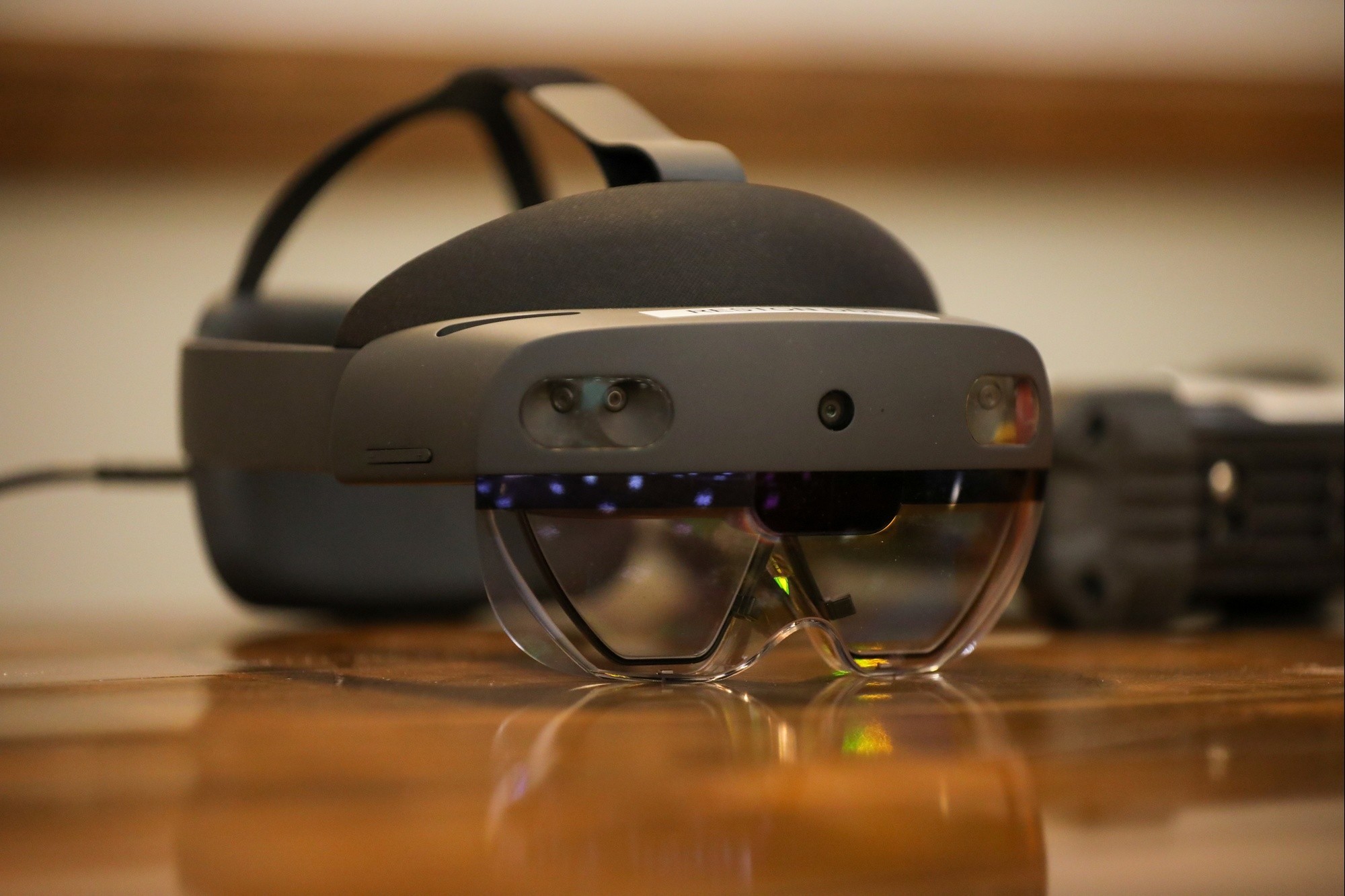
AI is also improving in recognizing emotions and cultural nuances, making real-time speech translation more natural and efficient. Advanced speech-to-text AI models are in development, leveraging sophisticated neural networks trained on extensive datasets. These models will adeptly handle diverse accents, languages, and noisy environments, significantly enhancing transcription accuracy for speakers.
AI-driven agents are emerging to perform tasks traditionally managed by humans, such as scheduling and data analysis. These agents assist speakers in preparing and executing their communication strategies, ensuring smoother and more effective engagements.
Enhancing Emotional Intelligence with AI in Public Speaking
AI is enhancing its ability to detect emotional tones and cultural contexts, making AI-assisted public speaking more authentic and impactful. Emotional intelligence is being integrated into AI tools, enabling speakers to refine their messages, particularly in complex situations. This development fosters culturally sensitive and emotionally engaging interactions.

Experts emphasize the importance of using AI responsibly and ethically, noting that AI is designed to augment, not replace, human speakers. Ethical AI practices and equitable data management are crucial, highlighting the significance of emotional intelligence in fostering trust and transparency in AI-driven speaking tools.
These advancements are not merely speculative—they are actively shaping the future of public speaking. As AI continues to evolve, it will enhance presentations, making them more sophisticated, accessible, and emotionally resonant.
Ethical Considerations and Limitations of AI Coaching
AI Overreliance and Privacy in Public Speaking
AI tools for public speaking can be incredibly helpful, yet they raise significant ethical questions, particularly concerning privacy and overdependence. A primary concern is the potential loss of trust if these AI systems are not transparent about their operations and data privacy measures. Users must understand precisely how their data is collected, stored, and utilized by these tools. This transparency is crucial, especially when AI handles tasks such as scheduling, follow-ups, and creating personalized questionnaires. Openness and obtaining client consent are vital, as specific laws governing AI in coaching are not yet in place, despite existing data protection regulations like GDPR.
To maintain trust and ensure the security of client data, AI systems must adhere to high standards of security and privacy. For instance, if an AI platform automates scheduling and follow-ups, it should clearly articulate its data handling processes and implement robust protection measures. Ethical AI coaching involves being transparent about AI capabilities, limitations, and data management to foster trust and safeguard users.
Balancing AI Technology with Human Intuition
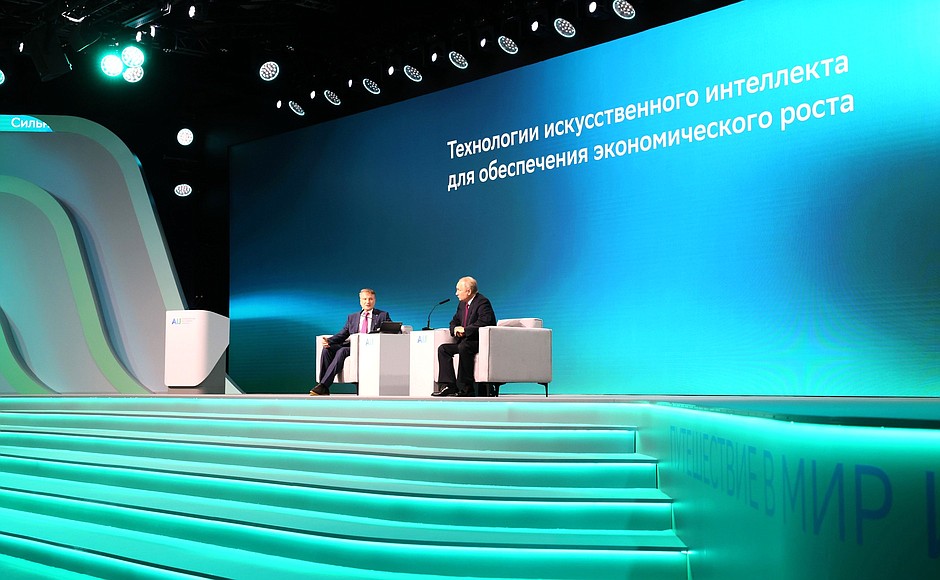
Integrating AI into public speaking coaching necessitates a delicate balance between leveraging technology and preserving human intuition. AI lacks the capacity for empathy and emotional depth, which are crucial in coaching. However, it excels in handling administrative tasks and providing objective data analysis. AI's strengths lie in identifying patterns, minimizing bias, and recommending resources, allowing coaches to focus more on building strong client relationships and offering emotional support.
For AI to function ethically in coaching, it must be designed with a human-centric approach, include clear consent processes, and respect the coach’s judgment to maintain integrity and safety. The International Coaching Federation’s AI Ethics Guidelines emphasize that AI tools should be fair, accountable, and transparent about their limitations, particularly in not supplanting human judgment in sensitive domains like mental health.
Consider a public speaking coach utilizing AI to analyze a client's speech patterns. While AI can suggest improvements, the human coach should make the final decisions and provide emotional support to uphold ethical standards and maintain trust. This approach ensures that, alongside AI's analytical capabilities, speakers can still rely on their instincts and creativity, which are essential for authentic and impactful public speaking.
FAQ Section
How Effective Is AI in Reducing Public Speaking Anxiety?
AI-powered virtual reality (VR) platforms are doing a great job at easing public speaking anxiety. These platforms provide personalized courses and realistic VR settings that can really boost your confidence and enjoyment, even after just one 30-minute session. A study from Cambridge University found that using these platforms regularly can noticeably lower anxiety and increase confidence in public speaking. Plus, just a week of using AI-driven VR training on your own showed benefits for everyone in trials, helping them feel more prepared, adaptable, resilient, and better at managing anxiety.
AI virtual assistants are also key. They analyze your speech as you talk, spotting filler words, grammar slip-ups, and repetition. They then offer tips to help you polish your speaking skills. This kind of preparation can really cut down on anxiety because it makes you feel more capable of delivering a good speech.
Can AI Virtual Trainers Replace Human Coaches in Public Speaking?
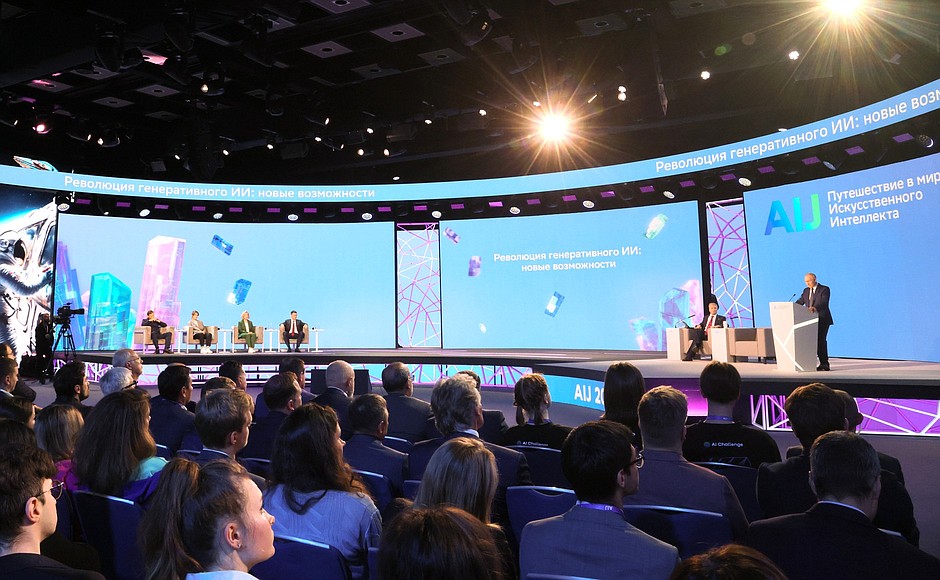
AI virtual trainers give real-time feedback on how you talk, pointing out language use, filler words, and presentation style. This lets you improve your public speaking without needing a human coach. Platforms like Yoodli and Gabble.ai offer personalized practice and instant feedback on things like pace, pronunciation, grammar, and body language. It's a no-judgment zone where you can practice your speeches.
But while AI trainers are scalable, accessible, and consistent, they aren't a full replacement for human coaches just yet. AI tools can't provide the emotional support and complex feedback that human coaches can, which are crucial for tackling the psychological side of public speaking anxiety. Human coaches can tailor their approach to fit each speaker's unique needs and motivations, something AI isn't quite there with yet. So, AI tools work best for repetitive tasks like speech analysis and feedback, leaving human coaches to handle the more complicated parts of training.
What Are the Top AI Tools for Enhancing Public Speaking?
Several AI tools are making waves for their ability to enhance public speaking skills:
-
Yoodli: Offers real-time feedback on your speech pace, filler words, and body language. It also has automatic transcription and progress tracking, making it a solid choice for thorough public speaking prep.
-
Gabble.ai: Provides realistic conversation experiences with feedback on pronunciation, grammar, and vocabulary, all tailored to your goals. This helps you build your speaking skills in a real-world context.
-
Amazon Bedrock: Powers virtual assistants that transcribe and analyze speeches for grammar mistakes and repetition. They suggest speech improvements, boosting presentation quality. This tool shows how AI can help refine public speaking skills for a wide range of users, from corporate workers to students.
-
Beautiful.ai and Gamma.app: Assist in creating sleek, professional presentation slides, improving the visual side of public speaking. They automate routine tasks like audience analytics and content generation, making presentations more engaging and suited to what the audience wants.
While platforms like VirtualSpeech report up to a 20% skill boost after just 30 minutes of practice, and many users recommend them, they can't fully replace human coaches. But they do offer affordable or even free access, making public speaking coaching more available to more people. AI tools are great for building self-awareness and confidence, especially for those who feel nervous about practicing in front of human coaches.