
Imagine a world where AI doesn't just help kids find their voice but also shakes up the core of speech therapy. As we near 2025, AI's role in speech therapy is changing fast. A recent study shows AI can boost therapy results by 30% over traditional methods. This isn't just a big deal—it's a real change for many kids and their families. In this article, we'll look at the new AI tools and apps that are changing speech therapy. We'll see how AI supports personalized and early intervention and how it helps speech-language pathologists. We'll also glance at the future, covering ongoing research, real-life examples, and the ethical questions that come with these changes. Let's see what the future holds for AI in speech therapy!
Summary: Dieser Artikel beschreibt die Innovationen der KI in der Sprachtherapie für Kinder bis 2025, einschließlich personalisierter Interventionen, Unterstützung für Sprachpathologen und ethischer Überlegungen. Er umfasst Anwendungen, zukünftige Entwicklungen und reale Fallstudien in der KI-gestützten Sprachtherapie.
AI Innovations in Speech Therapy for Children: What to Expect in 2025
AI Speech Therapy: Current Landscape and Developments
By 2025, AI is revolutionizing speech therapy with innovative tools designed to address the shortage of speech-language pathologists. At the University at Buffalo, researchers are developing AI Screeners for early detection and AI Orchestrators to assist in personalized care for children aged 3 to 10. Supported by a $20 million grant, these tools aim to bridge the gap in speech-language services by making early detection more affordable and accessible through online systems.
AI is also enhancing therapy delivery by:
- Diagnosing and creating treatment plans
- Running sessions independently
- Generating tailored materials
This allows therapists to concentrate on more complex aspects of therapy. In teletherapy, AI improves audio quality, enhancing the effectiveness of remote sessions.
However, ethical considerations are crucial. AI must protect children's data, adhering to guidelines from organizations like ASHA. These advancements are making speech therapy more efficient, accessible, and effective.

AI Tools and Applications in Speech Therapy
AI Voice Analysis and Screening Enhancements
Voice analysis and screening tools are revolutionizing the early stages of speech therapy. With AI stepping in, tasks like transcribing and analyzing speech for patients with aphasia are no longer the time sinks they used to be for speech and language therapists (SLTs).
For example, the MARS project at City St George’s is working on AI tools that help therapists focus on the bigger picture of discourse therapy instead of just the nuts and bolts of words and sentences. AI can:
- Spot speech patterns
- Help catch speech delays, articulation hiccups, and stuttering
- Flag early signs of Alzheimer's by analyzing speech

These advanced AI systems can interpret unclear or muddled speech, turning it into understandable language, which is a huge help for individuals dealing with speech disorders like dysarthria and aphasia.
AI-Powered Therapy Apps with Real-Time Feedback
AI-powered therapy tools are transforming speech therapy, making it more engaging and accessible, especially for children. These tools enable clients to practice their speech skills outside of regular sessions, providing real-time feedback.
Therapy Box, in collaboration with City St George’s researchers, is developing AI-driven therapy apps that offer instant analysis and feedback for those with speech disorders. AI chatbots can make speech practice feel like play with interactive exercises tailored to individual therapy plans, freeing up therapists for more direct treatment.

Teletherapy also benefits from AI, improving audio clarity and sound patterns to address issues like lag and poor sound quality in remote sessions. These technological advances make therapy not just more effective but also more enjoyable.
AI in Speech Therapy Documentation and Automation
AI is transforming documentation and automation in speech therapy, significantly reducing the manual workload for clinicians. It automates the transcription and analysis of patient speech, allowing more time for actual therapy and discourse analysis.
The MARS project utilizes AI to streamline speech transcription and analysis, enabling SLTs to focus beyond individual words, leading to better patient outcomes. AI can:
- Track and analyze therapy sessions over time
- Provide deep insights into patient progress
- Spot additional issues
These AI-driven tools help speech-language pathologists efficiently analyze speech data, track performance, and create reports to aid diagnosis and treatment planning. By enhancing efficiency, these advancements allow therapists to spend more time on patient-focused activities, ultimately improving care quality and outcomes for those with speech disorders.
AI in speech therapy isn't just about better tools and apps; it's about reshaping the entire therapeutic journey, from the first assessment to ongoing treatment and documentation. These innovations are opening doors to more personalized, effective, and accessible speech therapy solutions.
Personalized AI-Driven Speech Therapy for Early Intervention
AI-Powered Data Analytics for Customized Speech Therapy
AI is revolutionizing speech therapy by leveraging data analytics to customize treatment plans. By analyzing data from therapy sessions, AI identifies effective strategies and continuously refines therapy methods. These systems adapt exercises to align with a student's communication skills and needs, ensuring each plan is both personal and effective.
By utilizing historical session data and monitoring progress, AI crafts lesson plans tailored to a student's preferences, abilities, and goals, enhancing learning outcomes and therapy success. Platforms like Syra automate paperwork and track progress, allowing therapists to concentrate more on patient care while maintaining personalized treatments.
For example, an SLP might employ an AI tool to review a child's speech data, adjusting exercises to match the child's evolving language skills. This leads to quicker progress and more engaging sessions.
AI for Early Detection of Speech and Language Disorders
AI plays a crucial role in the early detection of speech and language disorders. It assists speech-language pathologists (SLPs) by analyzing extensive data to identify speech delays, articulation issues, and stuttering. AI models equipped with speech recognition can detect specific problems more swiftly than traditional observation methods by examining voice recordings for sound and fluency issues.

Tools like automated speech recognition offer real-time speech transcription, streamlining documentation and evaluation processes. Additionally, AI can discern subtle speech patterns indicative of neurological conditions such as Alzheimer's, supporting early diagnosis and treatment. The AI Screener from the AI Institute for Exceptional Education exemplifies this. It uses AI to analyze classroom speech and facial expressions, identifying speech problems early and enabling timely intervention.
By integrating AI into routine screenings, healthcare providers can deliver more proactive and effective care, ensuring interventions occur when they are most beneficial.
AI as a Supportive Tool for Speech-Language Pathologists
AI Speech Therapy as an Assistant, Not a Replacement
AI is transforming the role of speech-language pathologists (SLPs) by handling tasks such as transcribing and analyzing speech. This shift allows therapists to dedicate more time to their patients, which is crucial for patient improvement.
The MARS Project is a prime example, collaborating with Therapy Box to develop AI tools that assist in transcribing and analyzing speech for individuals with aphasia. This innovation enables therapists to concentrate on the therapeutic aspects, leading to enhanced outcomes.
AI tools support SLPs by identifying speech disorders and aiding in treatment planning. They ensure that therapy techniques are adhered to and progress is monitored through advanced speech recognition. However, it's important to note that AI cannot independently diagnose speech disorders. Instead, it analyzes data to identify speech patterns, which SLPs then use to customize diagnoses and treatments.
Moreover, AI chatbots and interactive tools enliven speech practice outside of sessions, especially for children, by providing immediate feedback. This approach makes therapy more accessible and effective, particularly for those in remote areas.
AI-Powered Training and Teletherapy Enhancements
AI significantly enhances teletherapy by improving audio quality and clarity, resolving issues like lag or poor sound during remote sessions. It can swiftly generate training materials tailored to each therapy plan, allowing therapists to concentrate more on direct patient care.
AI's ability to comprehend unclear speech facilitates communication for individuals with disorders such as dysarthria and aphasia, greatly enhancing their quality of life. In teletherapy, AI voice technology clarifies sound patterns, improving communication between therapists and clients.
Furthermore, AI introduces virtual and augmented reality into therapy, creating immersive environments that simulate real-life situations. This engagement helps clients apply what they learn effectively.
AI is also making speech therapy more accessible. Adaptive learning platforms leverage AI to adjust therapy activities based on client performance, modifying difficulty in real-time to achieve optimal outcomes. This adaptability keeps clients motivated and engaged, which is vital for success.
By integrating education with therapy, AI tools empower SLPs to deliver superior care and achieve better results. The synergy between human expertise and AI is pioneering new approaches in speech-language pathology, enhancing the efficacy of therapy.
Future Outlook and Ongoing Research in AI Speech Therapy
Cutting-edge AI Projects and Research in Speech Therapy
AI is making significant strides in the field of speech therapy, offering support without the constant need for a speech-language pathologist (SLP) to be present. With advancements in teletherapy, remote sessions have become clearer and more precise.
AI enhances the abilities of SLPs by:
- Analyzing large datasets and speech patterns to identify speech delays and articulation issues.
- Creating customized training materials and therapy exercises tailored to each patient, allowing therapists to focus on more direct tasks.
AI tools for diagnosing articulation and language delays are becoming increasingly common, facilitating early interventions. A notable project in this domain combines AI speech recognition with teletherapy, providing real-time analysis of speech patterns during remote sessions. This integration improves diagnostic accuracy and personalizes treatment adjustments.

AI-driven Technological Advancements and 2025 Predictions
Looking towards 2025, AI is poised to revolutionize documentation, evaluation, and personalized treatment planning in speech therapy, enhancing efficiency and customization. Virtual Reality (VR) is also emerging, offering immersive environments for practicing social skills and communication, thus increasing client engagement and confidence.
AI virtual assistants are streamlining processes by:
- Managing therapy schedules, reminders, and session summaries.
- Enhancing communication with families and therapy teams.
AI-enhanced speech therapy apps and gamified platforms are gaining popularity for practicing expressive language and fluency, maintaining motivation, and making therapy more accessible outside traditional sessions.
Machine learning is being utilized to detect unusual speech patterns and predict conditions such as Alzheimer’s by analyzing speech, paving the way for early diagnosis and monitoring. By 2025, expect widespread use of AI-driven diagnostic tools and VR therapy environments, creating personalized and engaging therapy experiences that improve outcomes and accessibility.
Real-World Examples of AI Speech Therapy
AI App for Children with Echolalia: A Case Study
At City St George’s, the MARS project is breaking new ground with AI tools to boost speech therapy for people with aphasia. These tools are designed to automate how speech is transcribed and analyzed, and they could be tweaked to help kids with echolalia get better therapy results.
Therapy Box, in collaboration with the MARS project, has developed innovative tools tailored to various speech patterns, potentially offering significant benefits for children with echolalia. AI-driven speech therapy solutions, like ChainingAI, have demonstrated substantial progress in treating speech sound disorders through motor-based techniques relevant to echolalia.
An AI-powered app could revolutionize therapy by automatically transcribing and analyzing speech to identify repetitive patterns. This would enable therapists to craft personalized plans and monitor progress more efficiently.
AI Speech Therapy: Testimonials and Daily Experiences
Parents and participants in AI-assisted speech therapy trials report that combining computer and clinician services enhances at-home practice, making it more engaging. The AI Screener from the University at Buffalo exemplifies this, using automated sentence recall tests to detect language and speech disorders with approximately 90% accuracy. This capability could facilitate early detection of conditions like echolalia.

Speech-language pathologists trained in AI tools, such as those from Happy Brain Training, can automate report drafting and create personalized therapy plans, streamlining their workflow and enhancing patient care.
Imagine a day in the life of a child using AI-powered therapy: interactive app sessions provide instant feedback, while therapists remotely monitor progress and adjust therapy plans based on AI-generated insights. This integration of AI into daily routines not only improves communication skills but also boosts confidence and social abilities in children.
Ethical and Equity Considerations in AI Speech Therapy
Addressing Data Privacy and Bias in AI Speech Therapy
The integration of AI in speech therapy heavily relies on data, raising significant privacy concerns. Speech data is highly sensitive and requires robust protection measures to ensure its security. Companies must implement strong data encryption and anonymization techniques to safeguard user privacy. Unauthorized access to this data can lead to severe consequences.
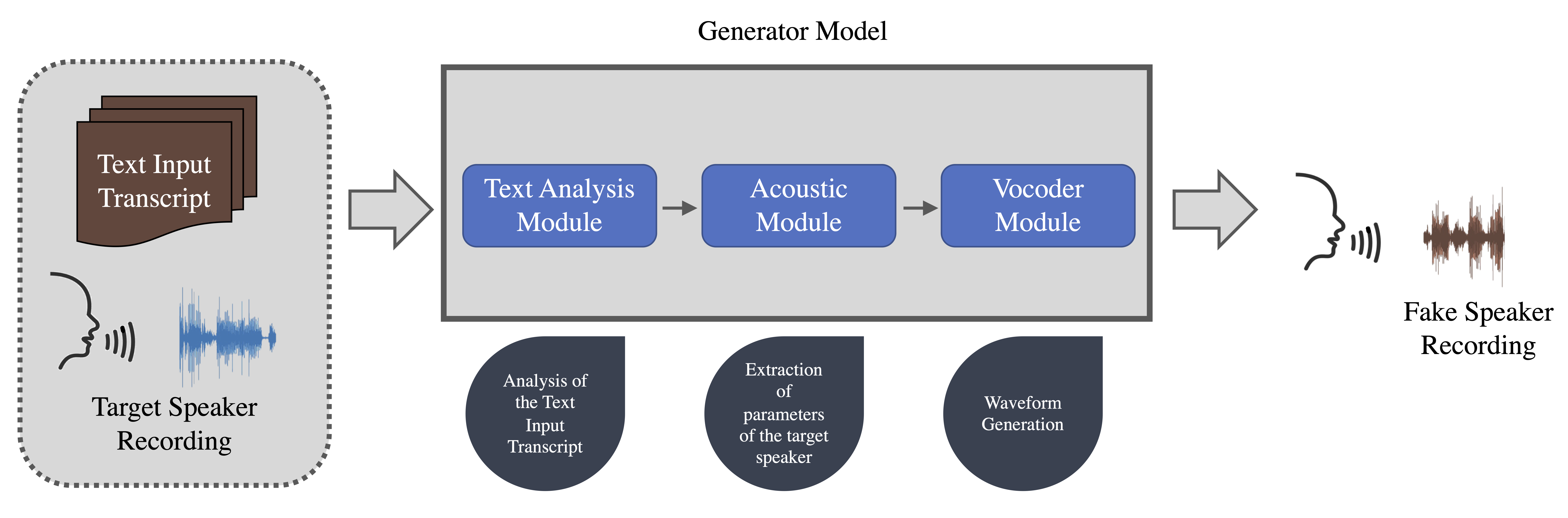
Moreover, bias in AI algorithms presents a critical issue. These biases often stem from the datasets used to train the models, which may not adequately represent diverse populations. For instance, AI systems trained on biased data might unfairly treat certain groups, such as non-native speakers or individuals with rare speech disorders. The lack of transparency in AI decision-making processes exacerbates fairness and accountability issues. Developers must strive to create unbiased datasets that reflect the population's diversity, ensuring equitable treatment for all.
AI Speech Therapy's Impact on Underserved Communities
AI in speech therapy holds the potential to enhance service accessibility in underserved regions where traditional Speech-Language Pathology (SLP) services are scarce. AI tools can provide affordable and accessible therapy options, alleviating the workload of SLPs by managing routine tasks. However, if these tools are not developed using diverse datasets, they may inadvertently exacerbate existing disparities.
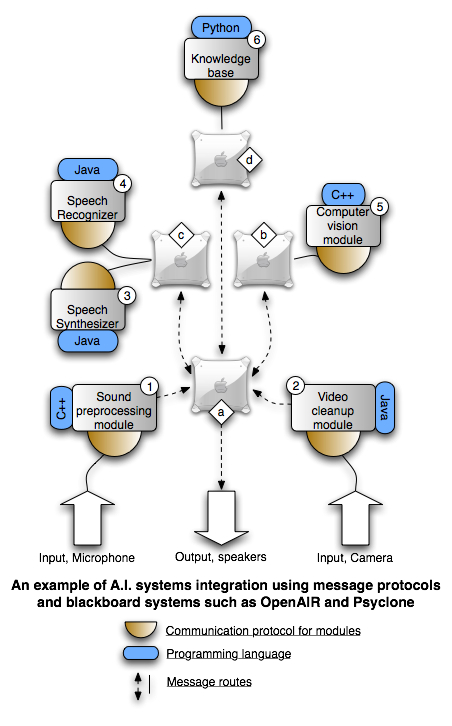
AI-driven AAC systems can enhance communication accessibility but face challenges related to inclusivity and fairness, particularly for non-native speakers. The digital divide poses another obstacle, as not everyone has the necessary technology or internet access to utilize these tools, potentially widening existing healthcare gaps.
To foster inclusivity, AI tools must support multiple languages and dialects. Customizing these tools to cater to specific communities can enhance their effectiveness, ensuring they address the unique needs of diverse groups. By addressing these challenges, AI speech therapy can significantly contribute to reducing health disparities and promoting fairness in speech care.
FAQ Section
AI Tools Transforming Speech-Language Pathologists' Daily Routines
AI tools are transforming the daily routines of speech-language pathologists (SLPs) by enhancing efficiency and streamlining processes. A significant shift is the automation of speech transcription and analysis, allowing SLPs to dedicate more time to patient care rather than paperwork. For example, the MARS project at City St George’s University is developing AI tools specifically for speech transcription and analysis, particularly benefiting individuals with aphasia.

AI also personalizes therapy by analyzing speech patterns and customizing exercises to match individual needs and pace, thereby increasing therapy effectiveness. With real-time progress tracking, therapists receive immediate feedback, enabling them to adjust therapy goals dynamically for improved outcomes. Additionally, AI can generate custom training materials, allowing therapists to concentrate more on direct patient care. In teletherapy, AI enhances audio quality and speech recognition, ensuring more accurate remote sessions.
Ethical Considerations in AI Speech Therapy
The integration of AI in speech therapy raises several ethical concerns. A primary issue is privacy and data security, as AI systems handle sensitive information. It is vital to adhere to regulations like HIPAA to safeguard patient data. Developers and therapists must implement robust security measures to prevent data breaches.
Another concern is maintaining the balance between AI and human judgment. Therapy should remain patient-centered, with AI supporting rather than replacing human decisions. Clear communication about AI's capabilities and limitations is crucial to manage expectations. Additionally, ensuring AI tools are equitable and accessible is important to prevent disparities in therapy services across different populations.
Early Detection of Speech Disorders with AI
AI plays a crucial role in the early detection of speech and language disorders, which is essential for timely intervention. AI can efficiently analyze large volumes of speech data to detect subtle signs of issues, such as speech delays or stuttering, that may elude human observation. Machine learning algorithms can identify early speech problems by recognizing unclear speech patterns, aiding in the diagnosis of disorders like dysarthria and aphasia.

These AI tools provide SLPs with data-driven insights that enhance diagnosis and facilitate personalized early intervention plans. Early identification with AI can make speech therapy more accessible, especially through telehealth, reaching a broader audience in need. For instance, AI-powered speech recognition systems, as highlighted by the American Speech-Language-Hearing Association (ASHA), can be customized by clinicians to assist patients with conditions such as ALS, enhancing the utility of ASR technology in therapy.